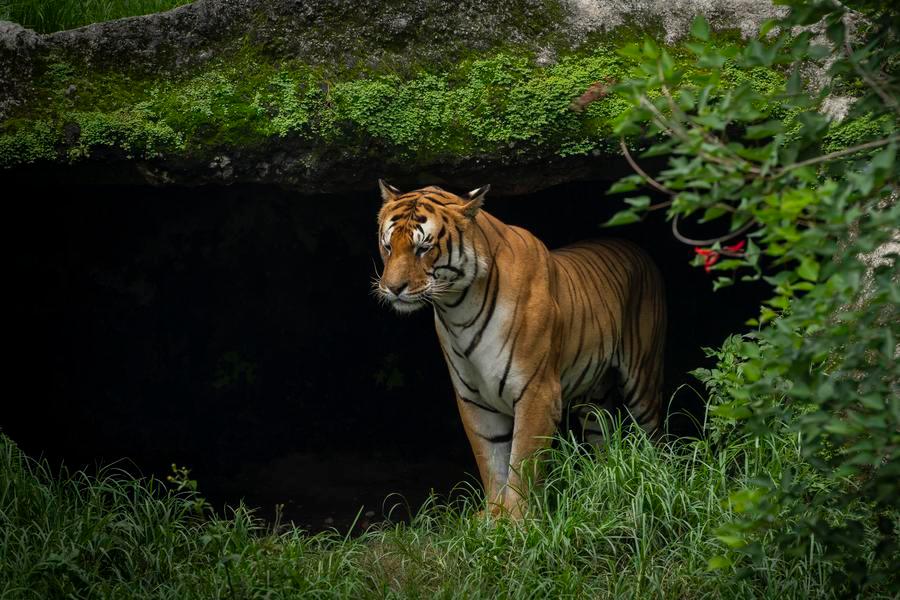
- Nepal's tiger population has climbed to 429, nearly quadrupling from 121 in 2010, according to the latest national tiger census released on World Tiger Day.
- The 2026 census recorded an increase of 74 endangered Bengal tigers from the previous census conducted in 2022.
- Chitwan National Park hosts the largest tiger population with 145 individuals, followed by Bardiya National Park with 112.
- The growth in the tiger population is hailed as a collective conservation achievement, driven by anti-poaching efforts and community stewardship.
- The Ministry of Forests and Environment unveiled the findings of the National Tiger and Prey Base Survey 2026 in Kathmandu.
- Conservationists caution that Nepal's forests have a carrying capacity of around 400 tigers, meaning the latest population exceeds the habitat's sustainable limit.
- The increase in tiger numbers has intensified concerns over human-tiger conflict, habitat fragmentation, and poaching risks.
- Nepal currently has 16 "problem tigers" being housed in enclosures due to their involvement in attacks or being found injured.
- The government has proposed a 52-hectare Tiger Sanctuary in Devnagar, Chitwan, to rehabilitate injured and conflict-affected tigers.
- Future efforts will focus on strengthening community forest user groups and local governments to improve coexistence with tigers.
Nepal's tiger population has increased by 21 percent over the past four years, reaching 429 in 2026, nearly quadrupling since 2010. The latest census, released on World Tiger Day, highlights significant growth in Chitwan National Park, which hosts 145 tigers, and Bardiya National Park with 112 tigers.13
The Department of National Parks and Wildlife Conservation conducted the survey using advanced camera-trapping technology. The findings were unveiled by the Ministry of Forests and Environment in Kathmandu. Chitwan and Bardiya lead in tiger populations, although Bardiya saw a decline from 125 tigers in the previous census.5
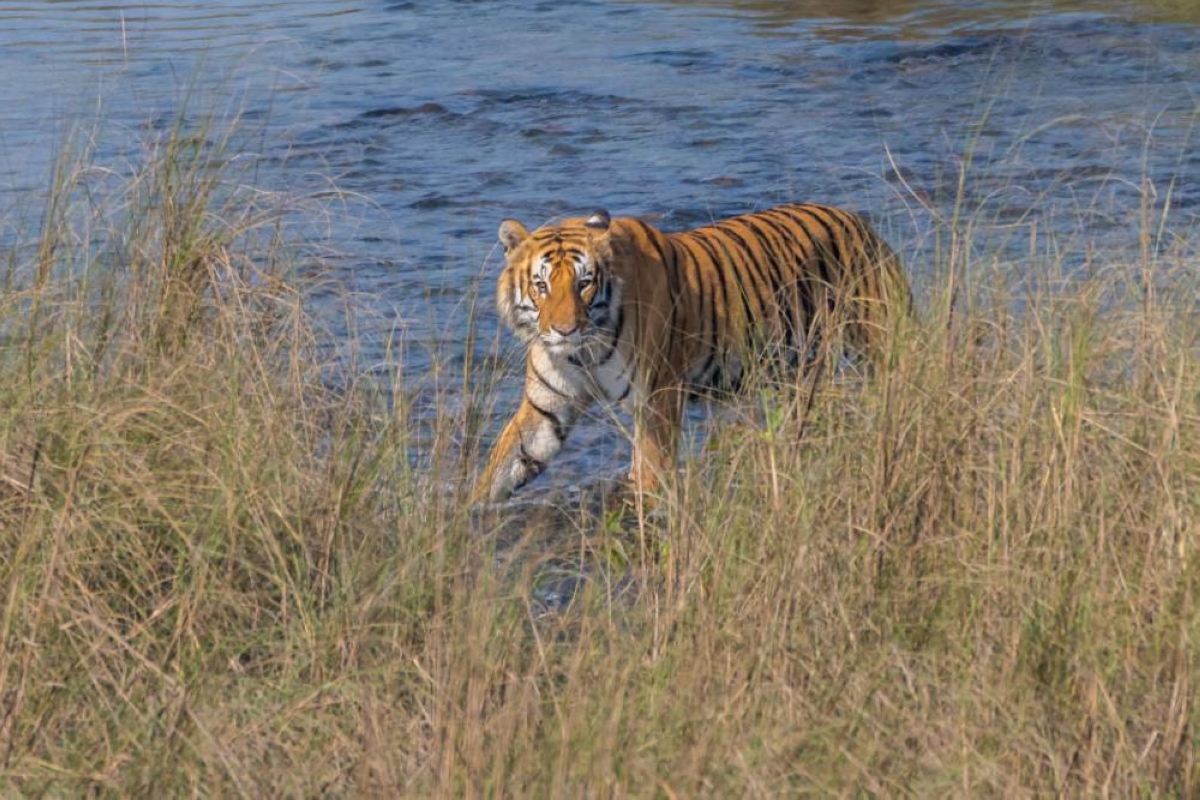
WWF Nepal Country Representative Dr Ghana Shyam Gurung praised the rise as a "collective conservation achievement," attributing it to effective government leadership and community collaboration. However, conservationists warn that the current population exceeds the estimated carrying capacity of around 400 tigers, raising concerns about habitat sustainability.46
The increase has also intensified issues related to human-tiger conflict, habitat fragmentation, and poaching risks. Currently, Nepal has 16 "problem tigers" being housed in enclosures due to conflicts with humans. To address these challenges, the government has proposed a 52-hectare Tiger Sanctuary in Devnagar, Chitwan, aimed at rehabilitating injured tigers and promoting eco-tourism.79
“The 2026 census shows a 21 percent increase from 355 tigers in 2022, with Chitwan National Park hosting the largest population at 145. However, conservationists warn that the current population exceeds the estimated carrying capacity of 400 tigers, raising concerns over habitat sustainability and human-tiger conflicts.”




