- A massive glacial collapse at an altitude of ~5,200m broke away and fell more than 1,200m into a valley, producing an avalanche.
- The avalanche blocked the Bhotekoshi river with ice and debris about 20km upstream of the Nepal-Tibet border, creating a temporary dam.
- Water accumulated behind the dam before it failed, sending a sudden surge downstream.
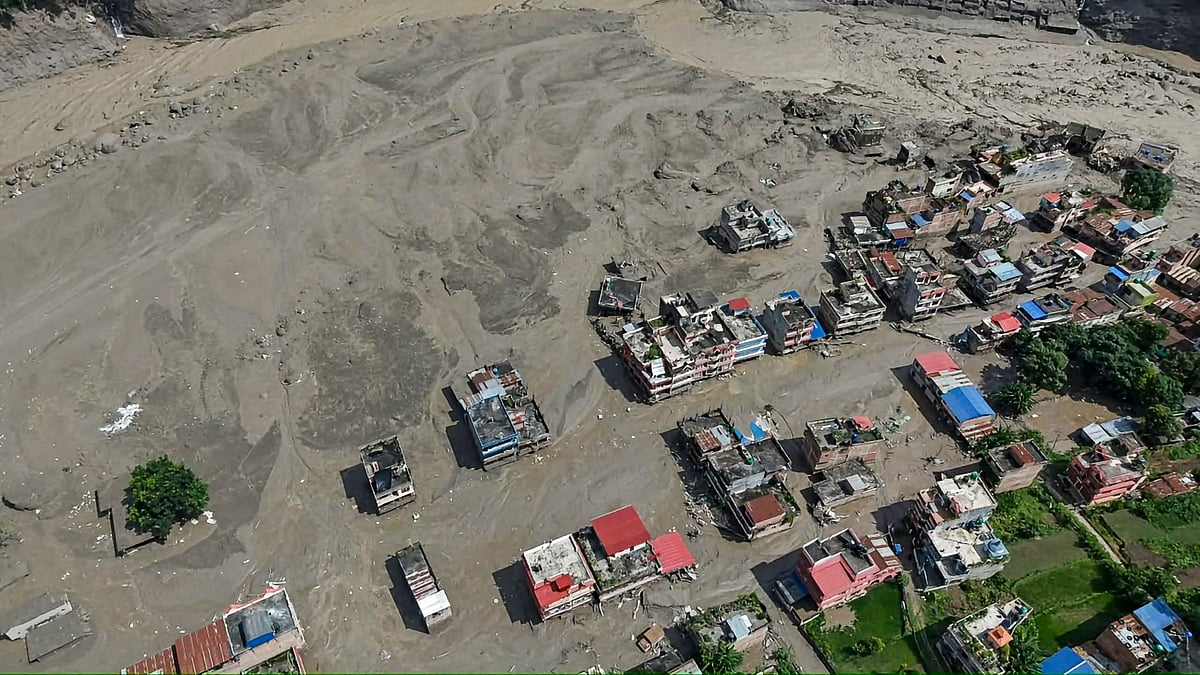
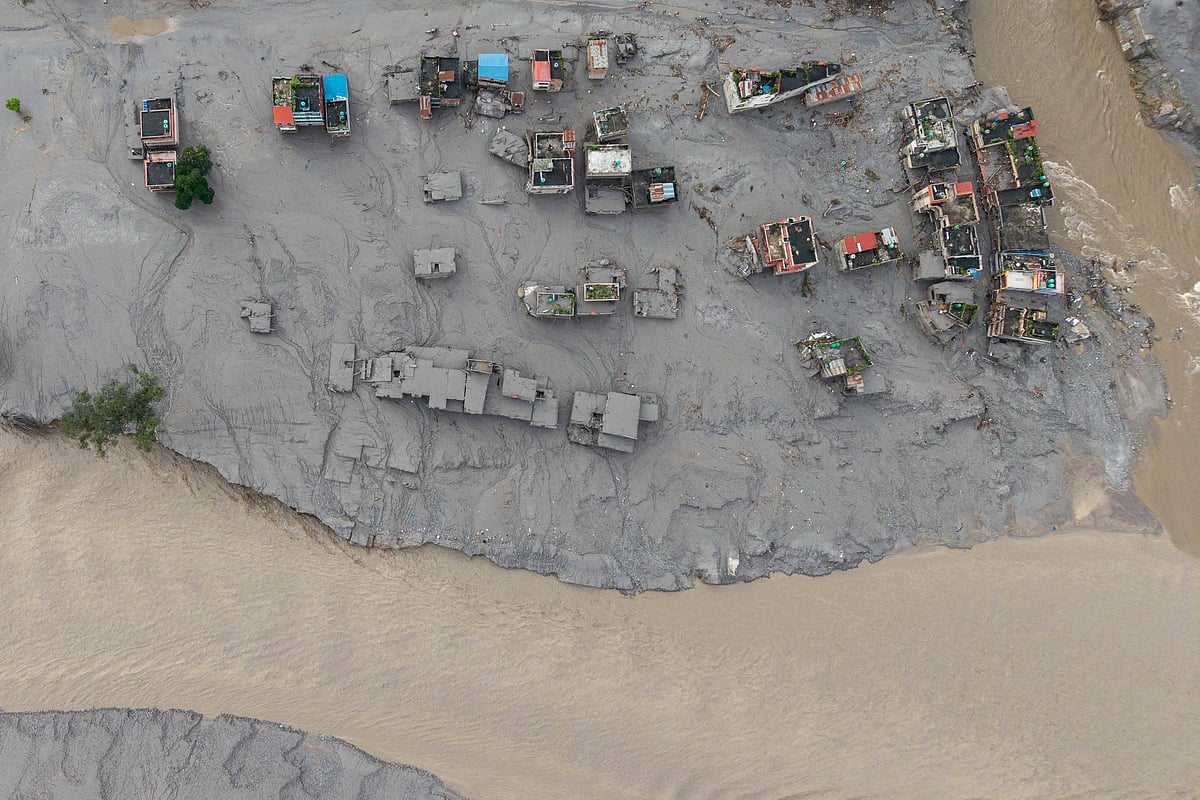
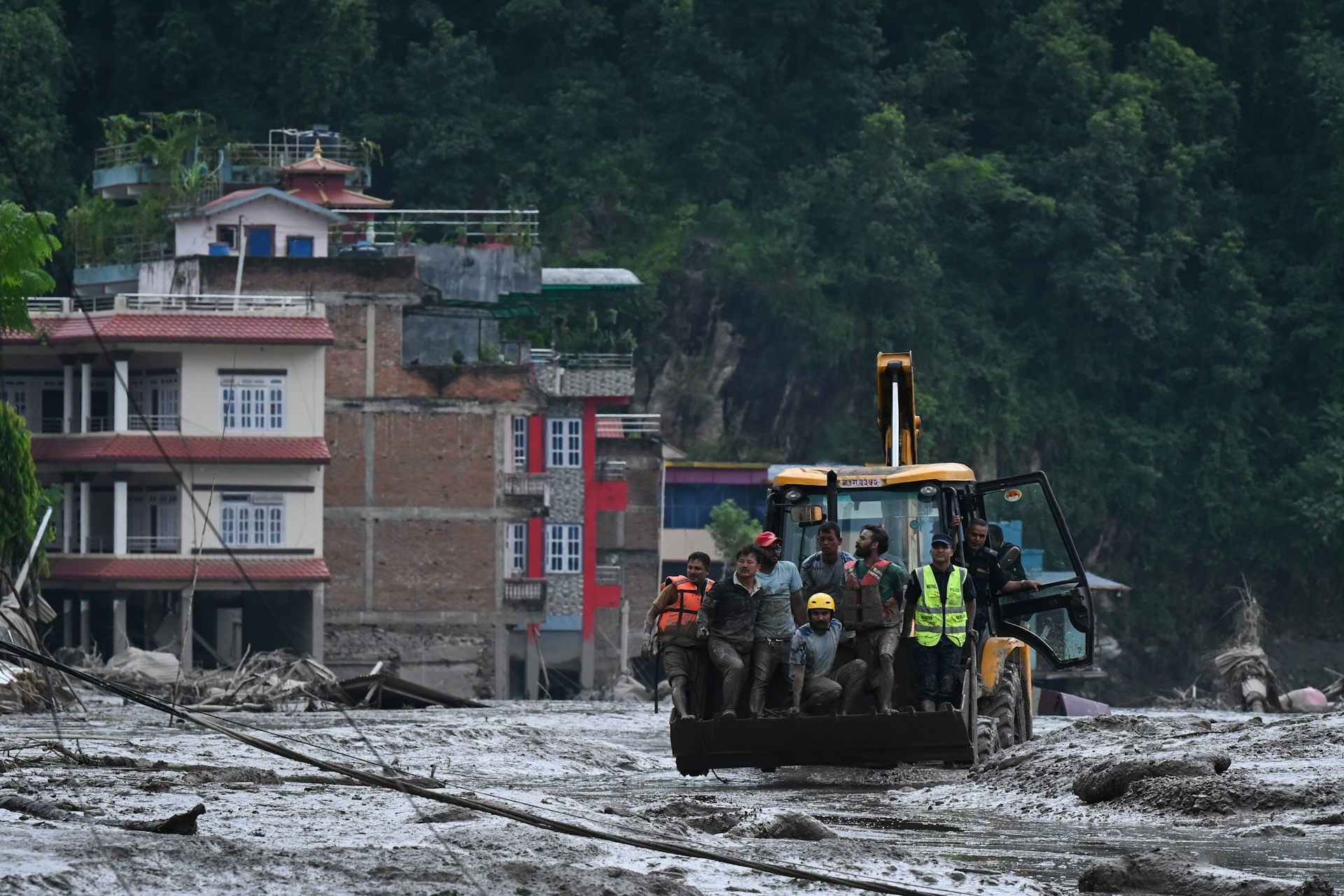
- The surge traveled through Rasuwa, Nuwakot, and Dhading, sweeping away houses and infrastructure.
- At least 157 people are confirmed dead, with hundreds missing, including Deepak and Madhu Ahuja, an Indian-origin US couple on the Kailash Yatra.
- Nepal's tourism ministry reports 403 tourists unaccounted for, as rescue efforts continue.
- The flooding struck the steep, fast-flowing Bhotekoshi river system near Nepal’s border with Tibet at around 9am local time.
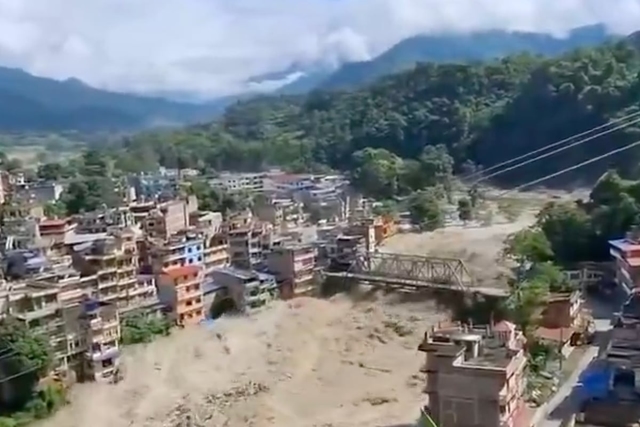
- Footage shows torrents of mud and debris sweeping through settlements and carrying buildings and vehicles with them.
- Early evidence suggests this was not an ordinary rain-driven flash flood, but a cascading event.
- Investigators are examining high in the Himalayas where one natural hazard seems to have triggered another.
- Communication with the immediate border zone remains virtually cut off, which is when the couple lost contact with their loved ones.
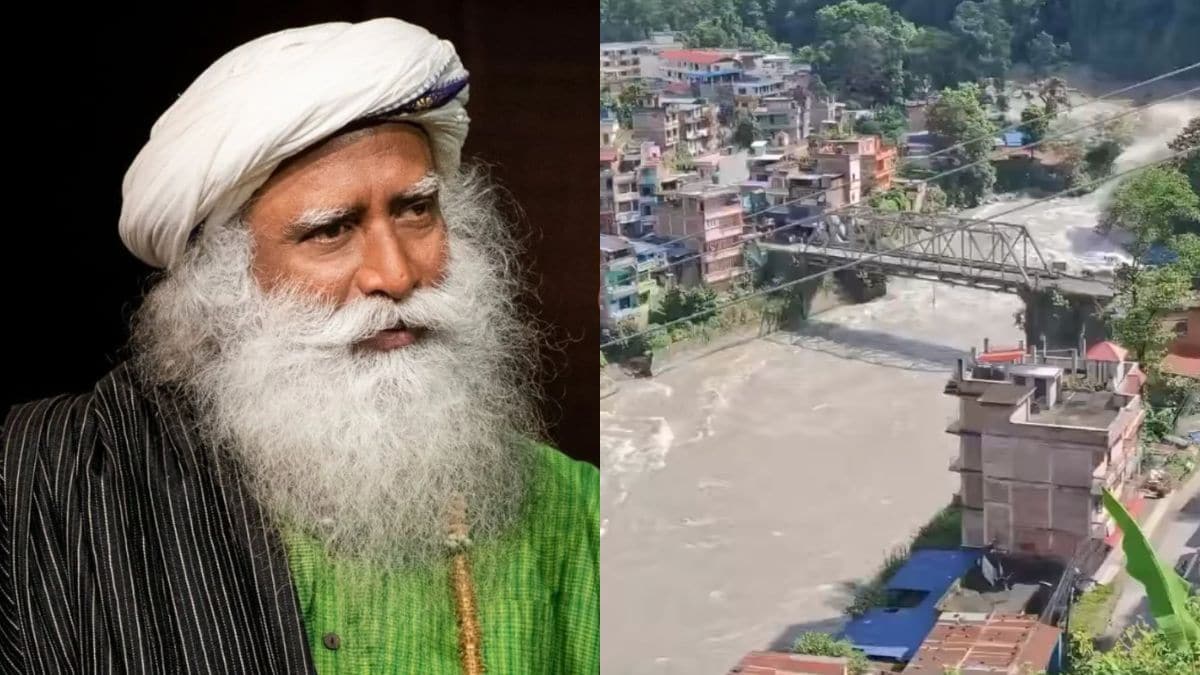
- Deepak and Madhu Ahuja were last seen in Saga, Tibet, where they met with Sadhguru alongside their Yatra group before departing south toward the Nepalese border.
- The couple's phone was last pinged around 9:00 AM local time on August 26 at the Gyirong Immigration Facility in Tibet.
- Rescue teams are urged to check emergency registries, shelter manifests, and admission logs for Deepak and Madhu Ahuja.
- Official emergency welfare enquiries have been initiated with diplomatic authorities since both missing individuals hold US passports.
Nepal's recent flash floods, caused by a cascading glacial collapse, have resulted in at least 157 fatalities and left hundreds missing, including an Indian-origin US couple, Deepak and Madhu Ahuja, who were on the Kailash Yatra. The disaster struck the Bhotekoshi river system near the Nepal-Tibet border around 9 AM local time on August 26, with reports indicating that 403 tourists are unaccounted for.12
The floods were not driven by heavy rainfall, but rather by an ice and rock collapse that created an avalanche, blocking the river and temporarily storing water. This blockage failed, sending a surge downstream that swept through the mountain districts of Rasuwa, Nuwakot, and Dhading. The Nepal Department of Roads reported significant damage, with 40 kilometers of roads washed away, including a crucial 42km road connecting Betrawati with the Rasuwagadhi border crossing.
The Ahuja couple was last seen in Saga, Tibet, where they were part of a pilgrimage group. Their last known location was the Gyirong Immigration Facility in Tibet, just before the floods hit. Communication with the border zone has been cut off, complicating rescue efforts. Local authorities and rescue teams are actively searching for the couple, as their family has initiated emergency welfare inquiries with diplomatic authorities.14
This disaster highlights the challenges of cascading hazards, which can be difficult to predict and manage. Experts warn that such events are becoming more common, necessitating improved disaster risk management strategies.
“The disaster unfolded after a glacier broke away at 5,200m, falling 1,200m and blocking the Bhotekoshi river, creating a dam that failed and sent a surge downstream. Nepal's tourism ministry reports 403 tourists unaccounted for, and the couple's phone last pinged at the Gyirong Immigration Facility in Tibet.”