- Nepal has sent a climate bill to China, the US, and India following the recent deadly floods.
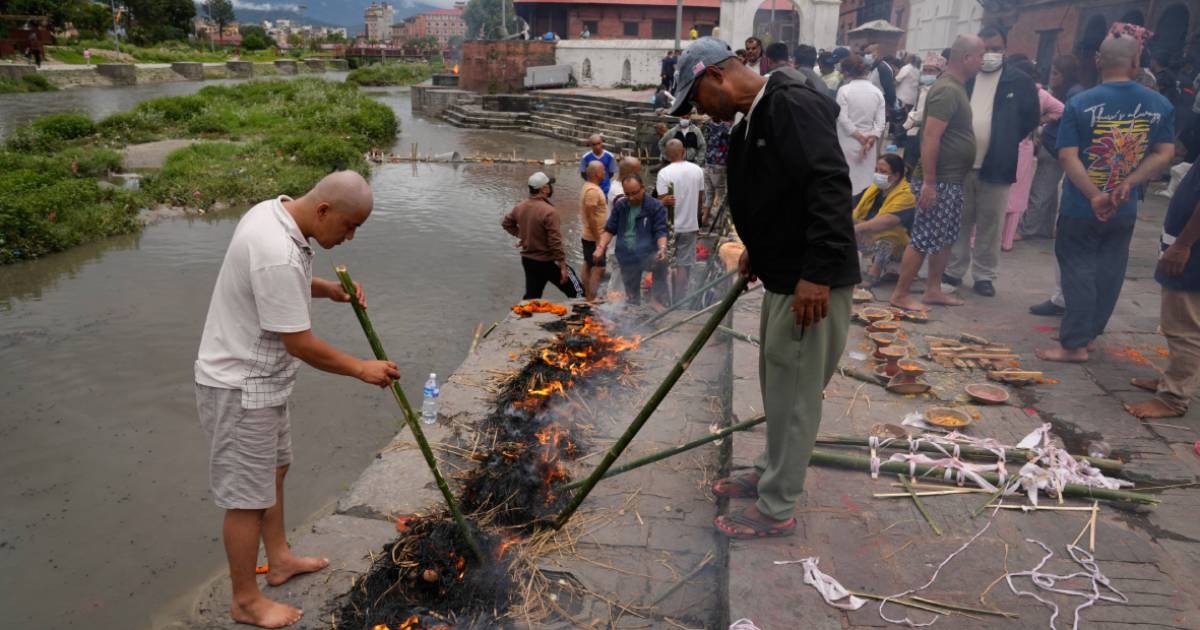
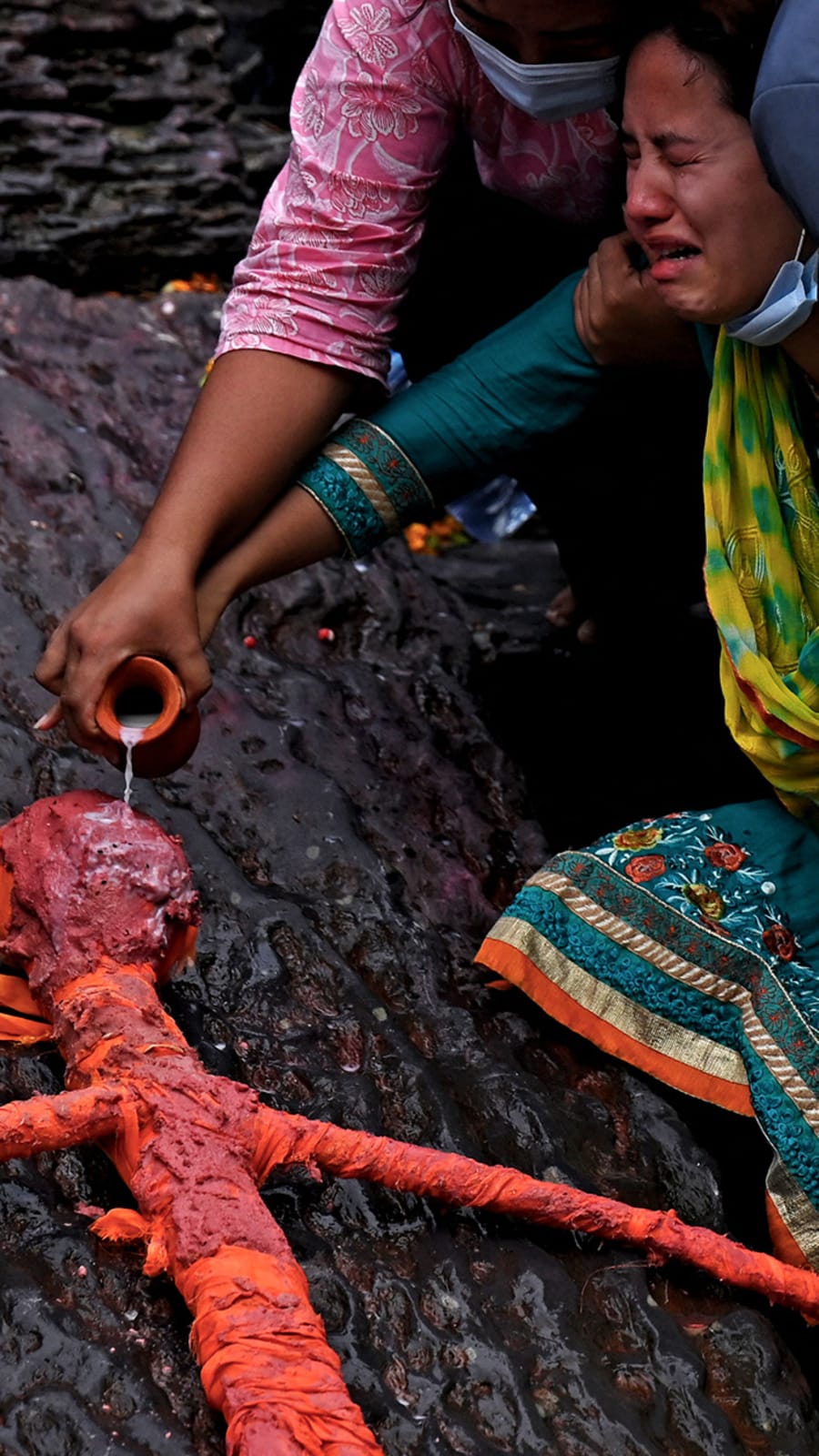
- In the aftermath of the floods, Nepali families are holding symbolic funerals for those who are missing.
- The UN has warned of an immense challenge in reaching flood survivors, with aid workers considering the use of cargo drones and porters to access isolated communities.
- UN Resident Coordinator Lila Pieters Yahia described access to affected areas as 'very, very, very difficult', highlighting the challenges faced by aid agencies.
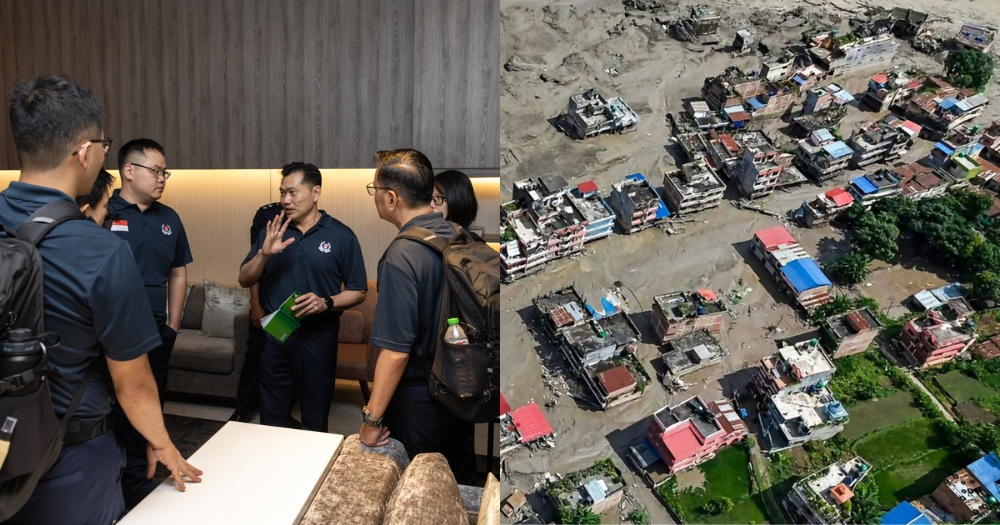
- Foreign Minister Shisir Khanal referred to the floods as a 'Himalayan tsunami', stating that the reality on the ground is 'far more severe than images can convey'.
- The UN is discussing with the government how to utilize helicopters and cargo drones to deliver aid, and may also rely on Nepal's porters to expedite assistance.
- More than 21,000 Nepali security personnel are currently engaged in search, rescue, and relief operations.
- The foreign ministry spokesman indicated that Nepal requires specialized international assistance, including heavy-lift drones, temporary bridges, body bags, and DNA testing kits to identify the deceased.
- Additionally, Nepal needs a mobile air traffic control system and broadband seismometers to monitor ground vibrations.
- Pieters Yahia warned that gaps in assistance are inevitable due to the scale of the disaster, and called for a dedicated mechanism to work around the clock.
Nepal's recent floods have been described as a "Himalayan tsunami" by Foreign Minister Shisir Khanal, with the situation on the ground proving far worse than images suggest.
The UN's Lila Pieters Yahia emphasized the immense challenge of delivering aid, stating, "Access has been very, very, very difficult."
With over 21,000 security personnel engaged in search and rescue, the need for specialized international assistance is critical. Nepal's foreign ministry has requested heavy-lift drones, temporary bridges, body bags, and DNA testing kits to identify the deceased.
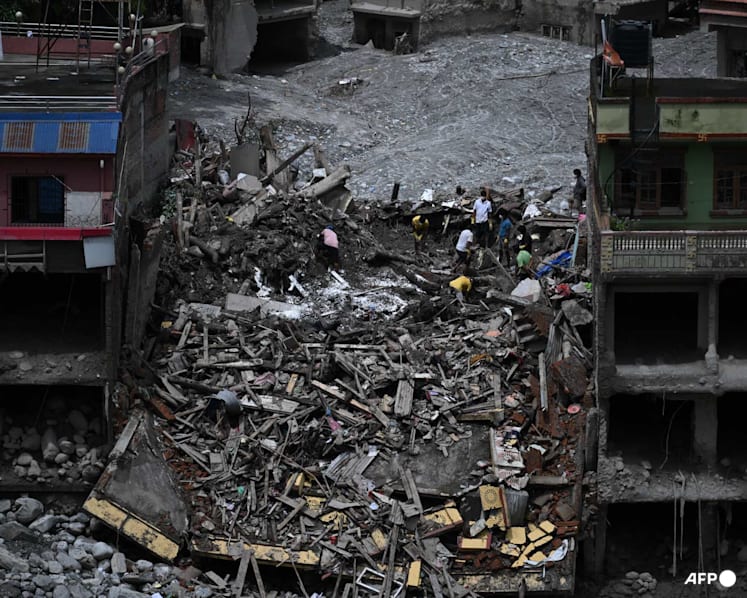
The UN is exploring options to utilize helicopters and cargo drones for aid delivery, while also considering local porters familiar with the challenging terrain. However, gaps in assistance are expected due to the disaster's scale, as noted by Pieters Yahia: "The magnitude of the disaster is so big that there will always be gaps."
As families hold symbolic funerals for their missing loved ones, the urgency for a dedicated mechanism to provide continuous support is paramount, according to Saswata Sanyal from the International Centre for Integrated Mountain Development.
“UN Resident Coordinator Lila Pieters Yahia described the disaster as 'incredible' and noted that UN agencies have delivered water, sanitation kits, food, and medicine. Foreign Minister Shisir Khanal called it a 'Himalayan tsunami', adding that the reality on the ground is 'far more severe than images can convey'.”