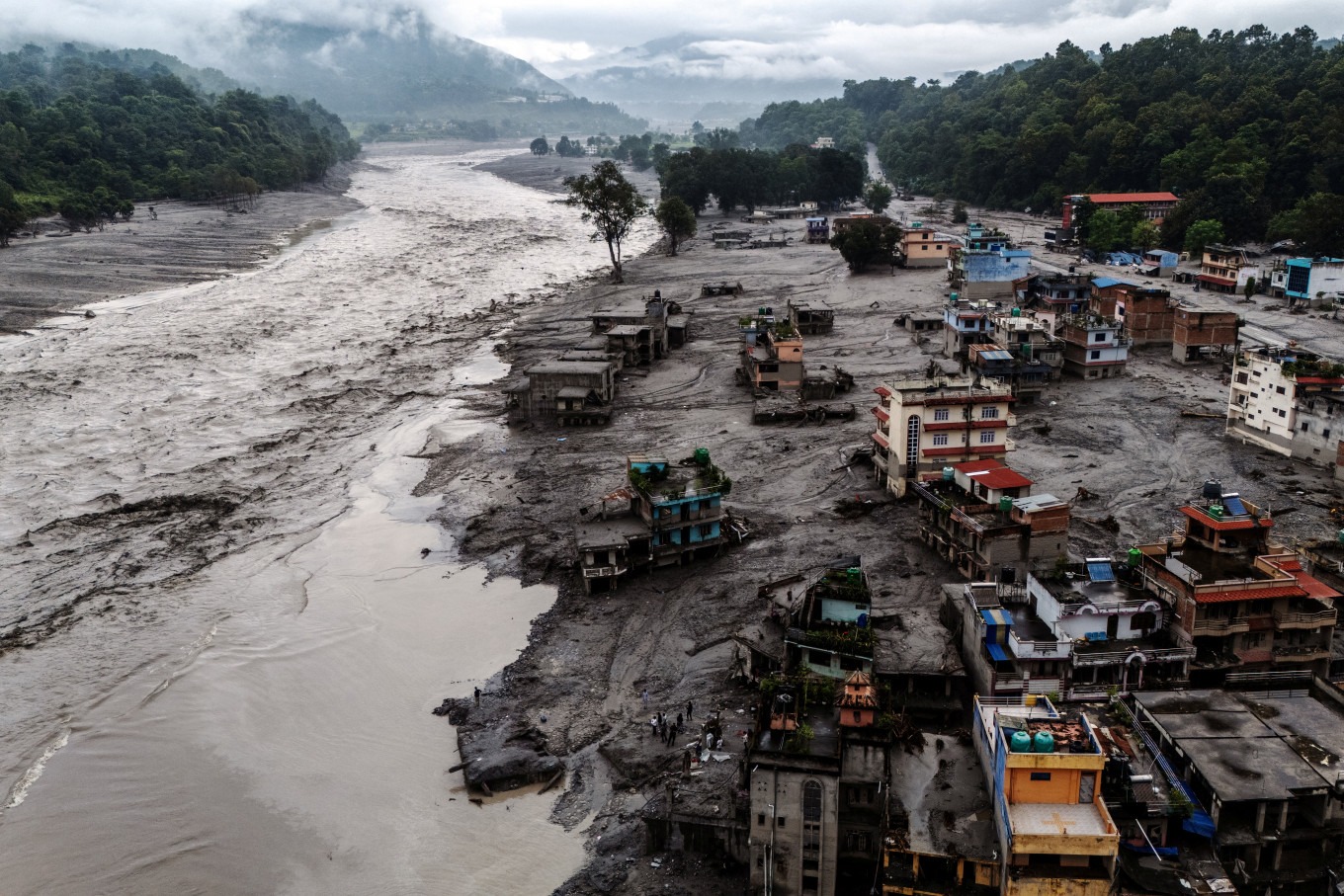
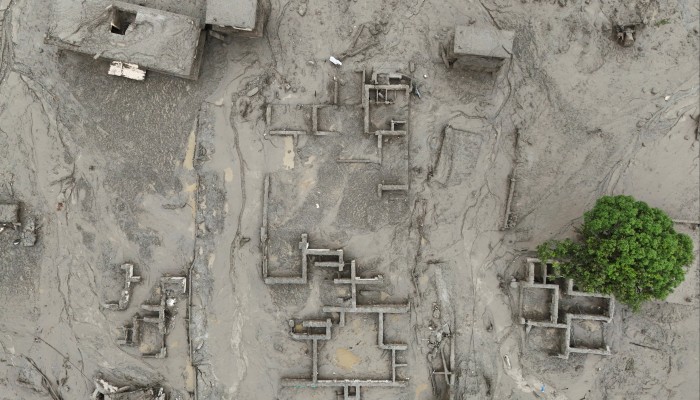
- Floods occurred on Aug 26, causing devastation in Nepal and Tibet.
- Nepal's disaster management authority reported 933 people missing from hydropower projects in the flood-hit region.
- Nepali authorities reported 788 dead and 2,500 missing as of Sunday night.
- Rescue operations were suspended several times due to bad weather and risk of fresh flooding from a lake formed across the border.
- Weather improved on Monday, and rescue work picked up pace.
- Victims had only a few minutes' warning before the floods, exposing gaps in high-altitude weather monitoring and data sharing with China.
- Chinese President Xi Jinping called for faster surveys of glaciers and glacial lakes across the Tibetan Plateau.
- The cost of damage may reach at least US$5 billion, with reconstruction similar to post-2015 earthquake rebuilding.
- Authorities have limited ability to detect rapidly changing temperatures and glacial hazards due to a lack of weather stations in high mountain areas.
- Improving early-warning systems is now a priority for Nepal's disaster management authority.
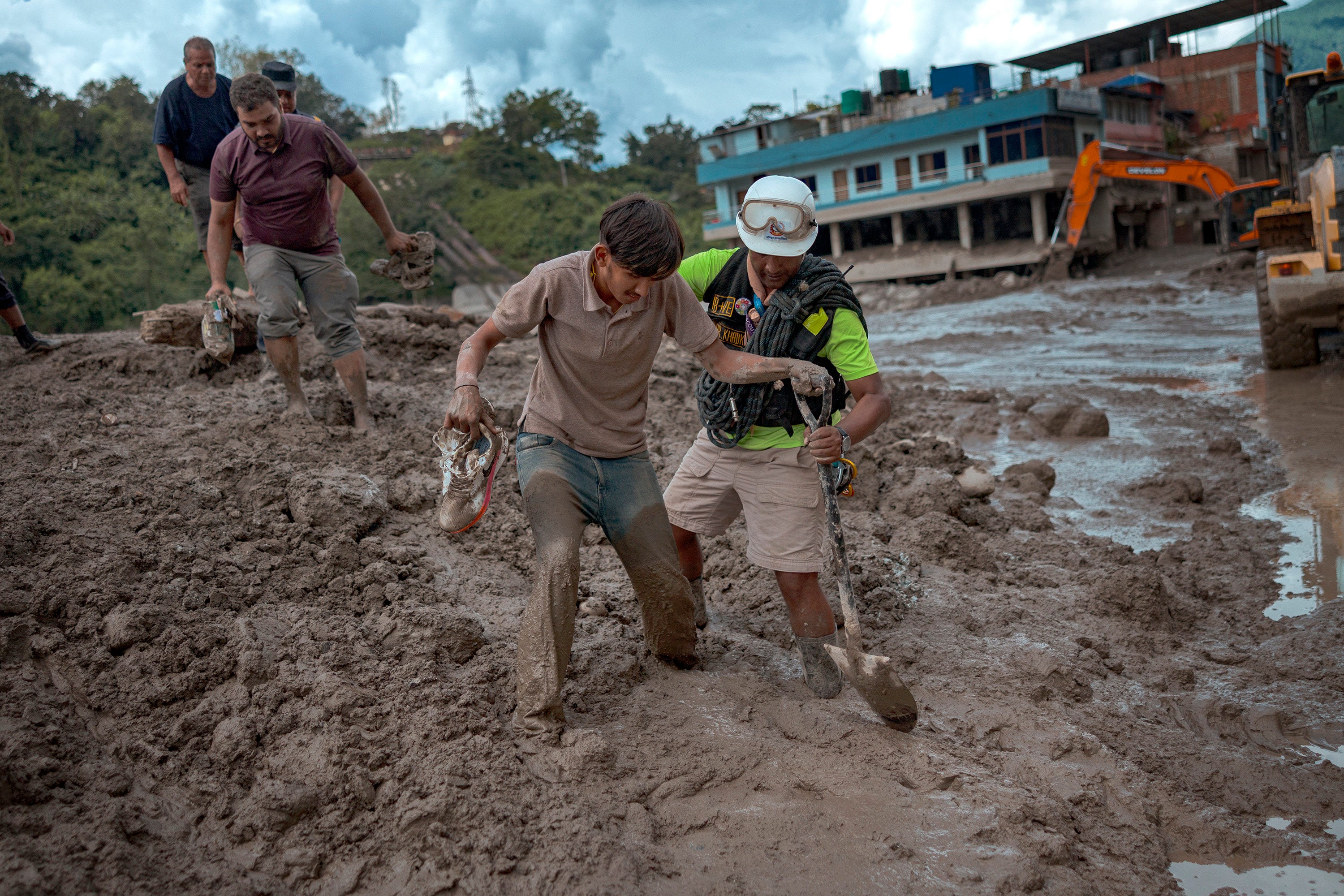
Nepal's rescue operations are ongoing as teams strive to reach hundreds trapped in hydropower tunnels after catastrophic floods that have claimed at least 788 lives and left 2,500 missing. Prime Minister Balendra Shah described the floods as an “unprecedented and devastating natural disaster”.1
Rescue efforts, involving nearly 21,000 security personnel, have faced challenges due to adverse weather and debris blocking access to tunnels. “A large amount of debris has been deposited and that is posing us a big challenge to open the tunnels,” said Nepal army spokesperson Raja Ram Basnet.
The floods have exposed significant gaps in Nepal's disaster preparedness, particularly in high-altitude weather monitoring. Dharam Raj Uprety, chief executive of Nepal’s National Disaster Risk Reduction and Management Authority, noted that victims received “barely a few minutes’ warning” before the floods struck, underscoring the need for improved early-warning systems.
The cost of the damage is estimated to reach at least US$5 billion, with reconstruction efforts expected to mirror the lengthy process following the 2015 earthquake. “Unless we stop making boundaries for climate information,” Uprety warned, “disasters originating in remote mountain areas will remain difficult to anticipate.”
Chinese President Xi Jinping has called for faster surveys of glaciers to prevent future disasters, while the Chinese Embassy in Nepal stated that they have shared important information with Nepal regarding disaster management.7
“Nepal's disaster authority reports 933 missing from hydropower projects alone, with 788 dead and 2,500 missing overall as of Sunday night. Prime Minister Balendra Shah called the flood an 'unprecedented and devastating natural disaster' and said nearly 21,000 security personnel are involved in rescue operations.”