- At least 1,200 people have died in Nepal and more than 4,200 are missing, according to Nepal's disaster agency. On the Tibetan side, the death toll is 21, with over 540 unaccounted for, Chinese state media report.
- Rescue efforts continue for workers trapped in hydropower tunnels, and nearly 12,000 people have been rescued, but thousands more, including foreign nationals, are still missing.
- Chinese rescue teams are searching for missing people on the Tibetan side, and the route to Gyirong Port has been reopened, accelerating the search.
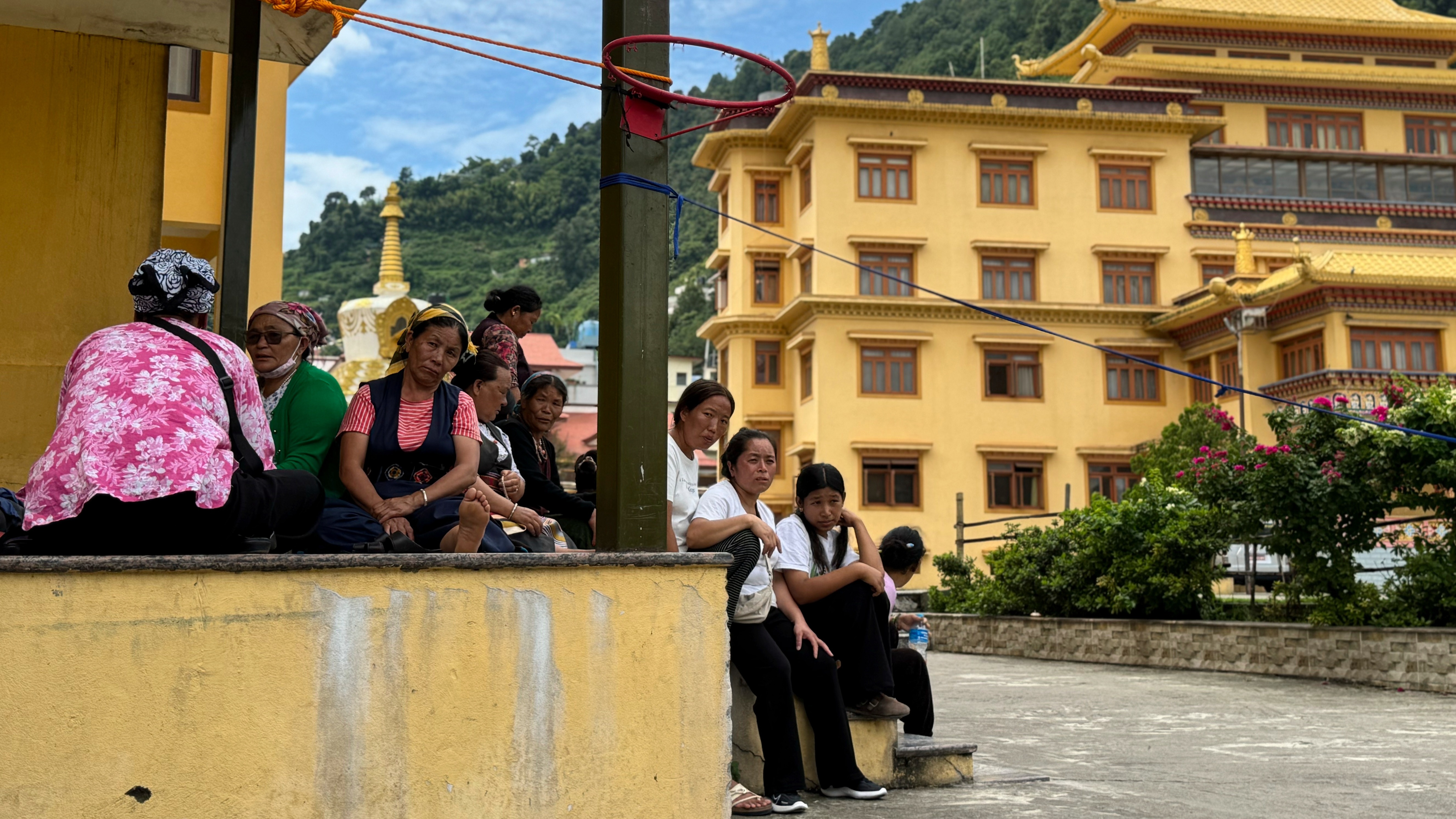
- In Nepal, nearly 3,500 people are displaced in 27 sites, mostly schools, and OCHA warns of disease risk due to overcrowded shelters, contaminated water, and damaged health facilities during the monsoon season.
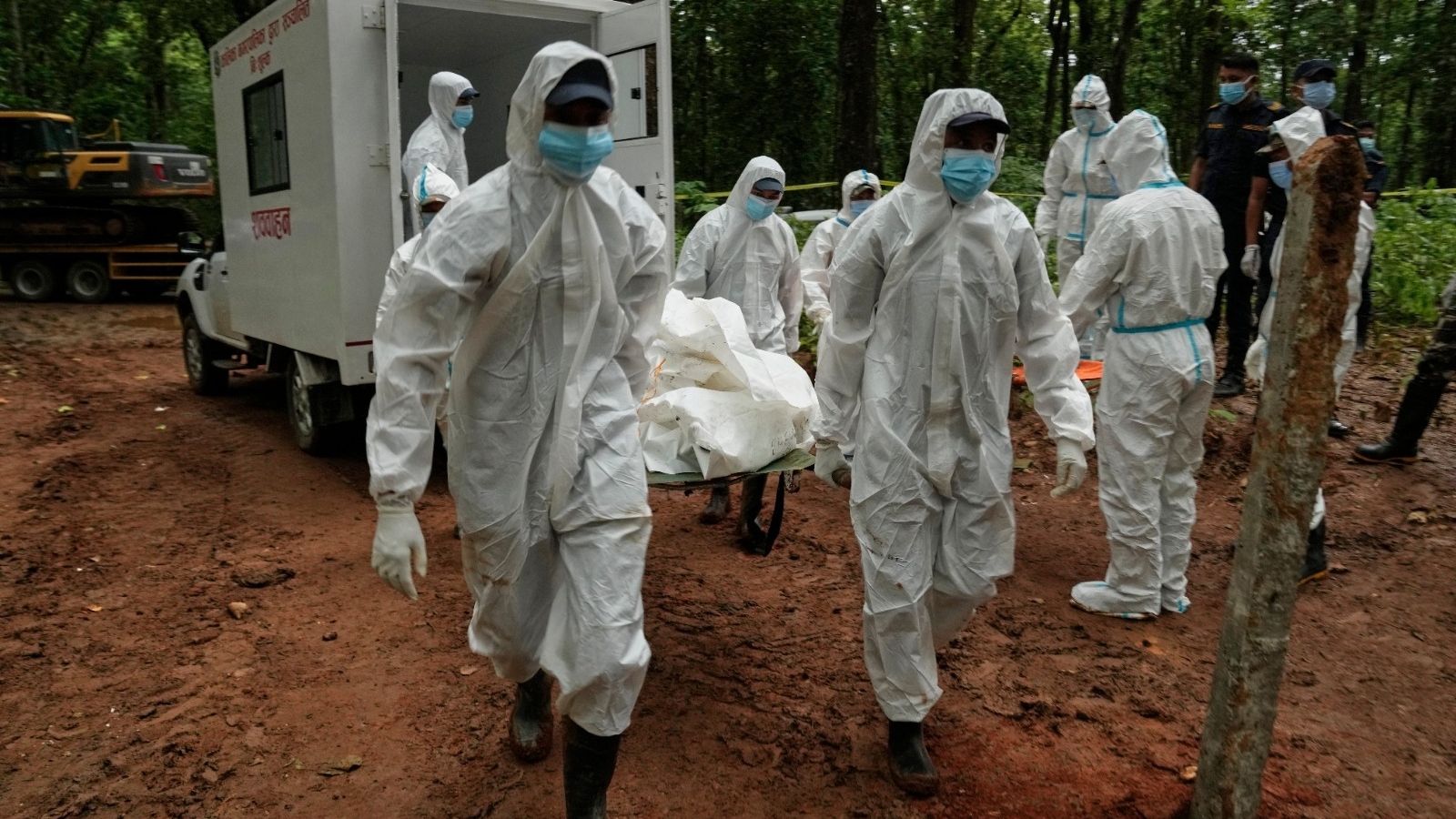
Nepal is intensifying its relief and recovery operations following catastrophic flash floods that have claimed at least 1,200 lives and left over 4,200 people missing, according to the UN. Rescue efforts are particularly focused on hydropower tunnels where many workers are believed trapped.
The UN's Office for the Coordination of Humanitarian Affairs (OCHA) reports that nearly 12,000 individuals have been rescued, but thousands more remain unaccounted for, including foreign nationals from countries such as India, the UK, and the US. Chinese rescue teams are also searching for over 500 missing individuals on the Tibetan side of the border.67
Rescue operations face significant challenges, with more than 40 bridges destroyed, complicating access to remote areas. Rescuers are using heavy machinery and drones to locate survivors, while experts from China and India are assisting in building temporary bridges.
In the aftermath, nearly 3,500 people have been displaced and are living in overcrowded shelters, raising concerns about health risks amid the ongoing monsoon season. Nepal's Prime Minister, Balendra Shah, emphasized the need for better early-warning systems to prevent future disasters, stating that the recent floods highlighted the escalating risks of climate change in the Himalayan region. The government has declared a disaster in 15 areas and is launching a four-month humanitarian flash appeal with the UN to provide financial assistance and support for the displaced.
“Nearly 12,000 people have been rescued, but thousands more, including foreign nationals from India, the UK, and the US, remain missing. In Nepal, 3,500 are displaced across 27 sites, with OCHA warning of disease risk from overcrowded shelters and contaminated water during monsoon.”



 BBC
BBC