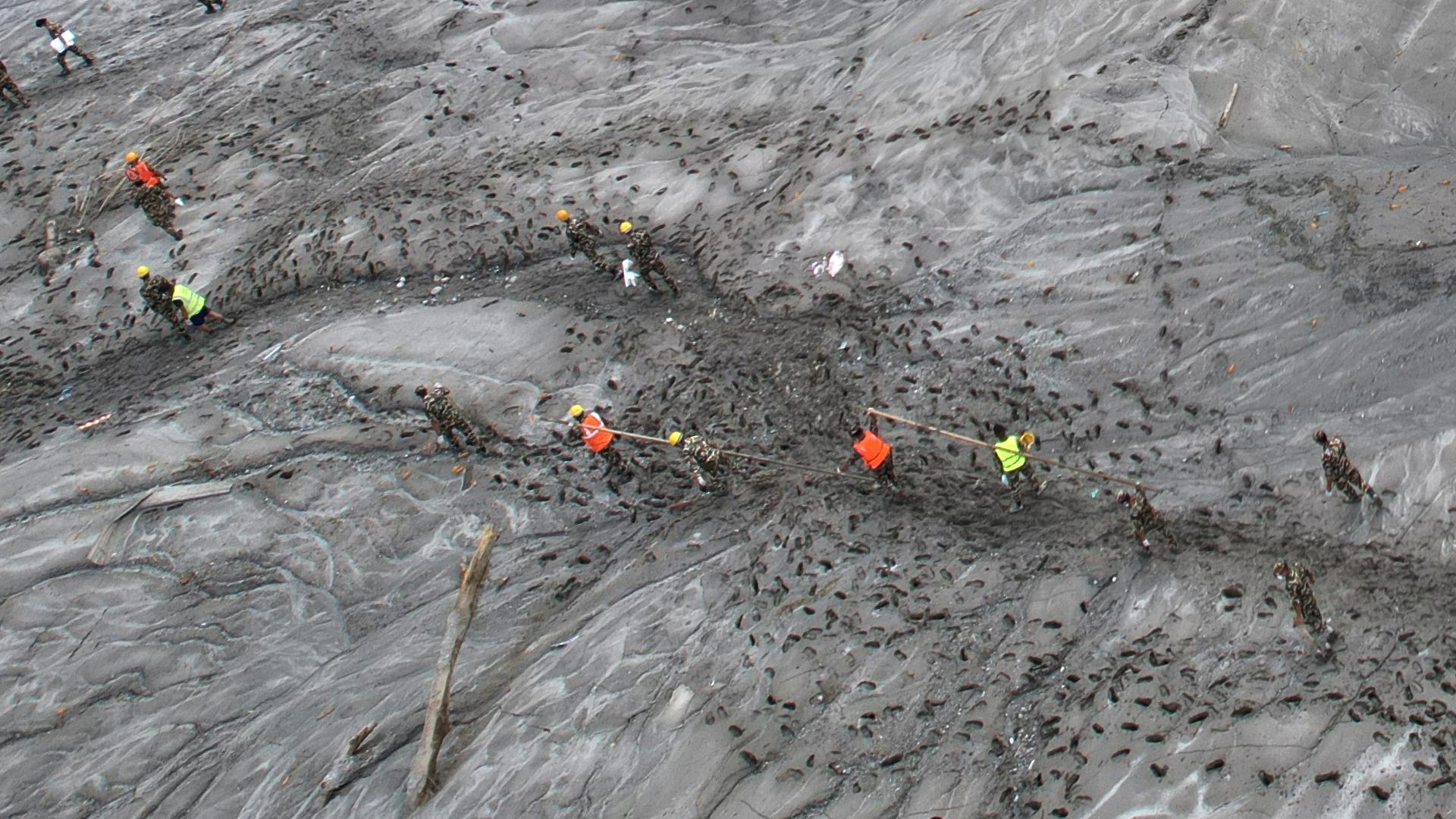
- Over 1,200 people have died in Nepal due to the catastrophic flash floods, with more than 4,200 still missing, according to Nepal's disaster agency.
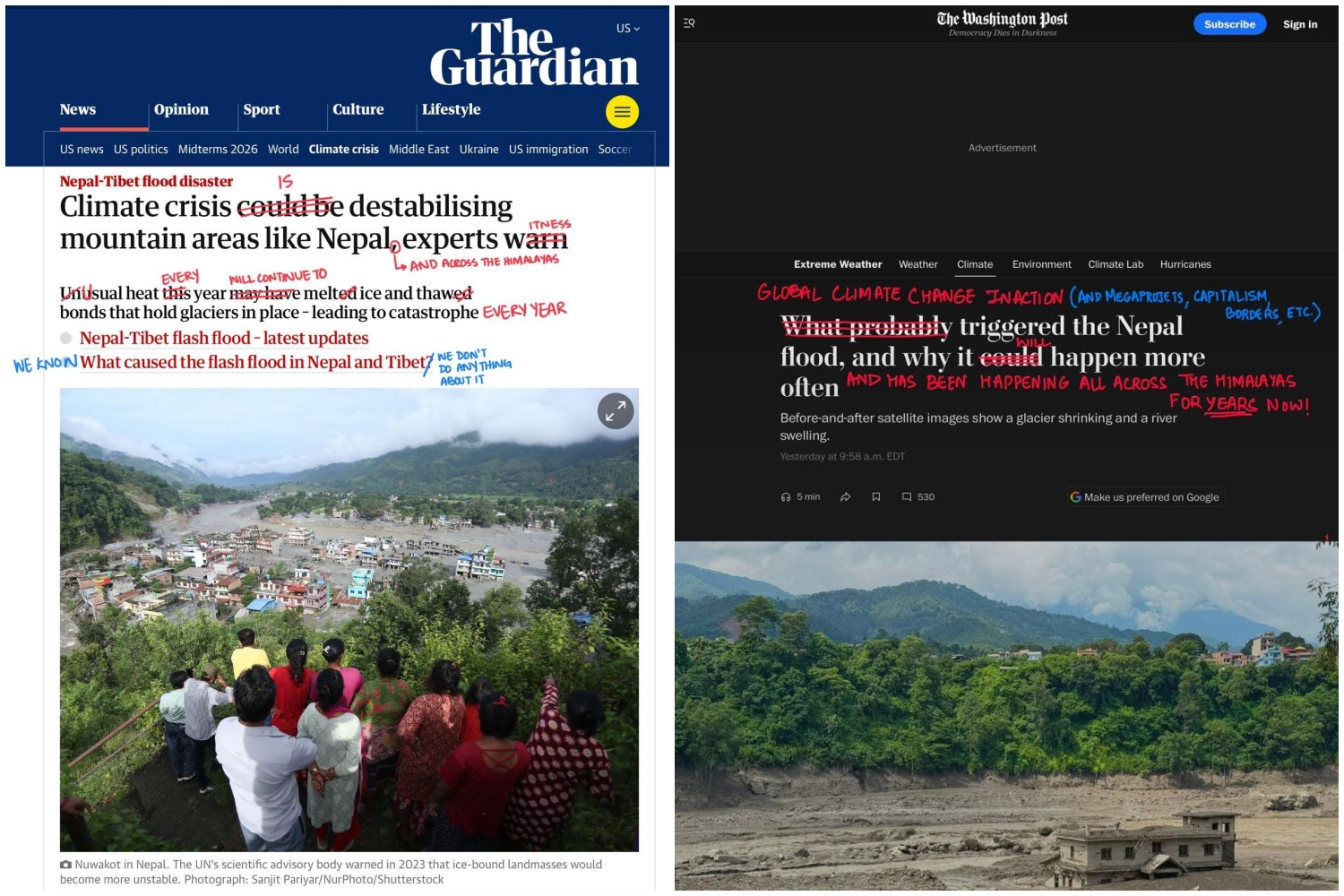
- The flash flood, believed to have been triggered by a glacial collapse, swept through a Himalayan valley last Wednesday, wiping out villages.
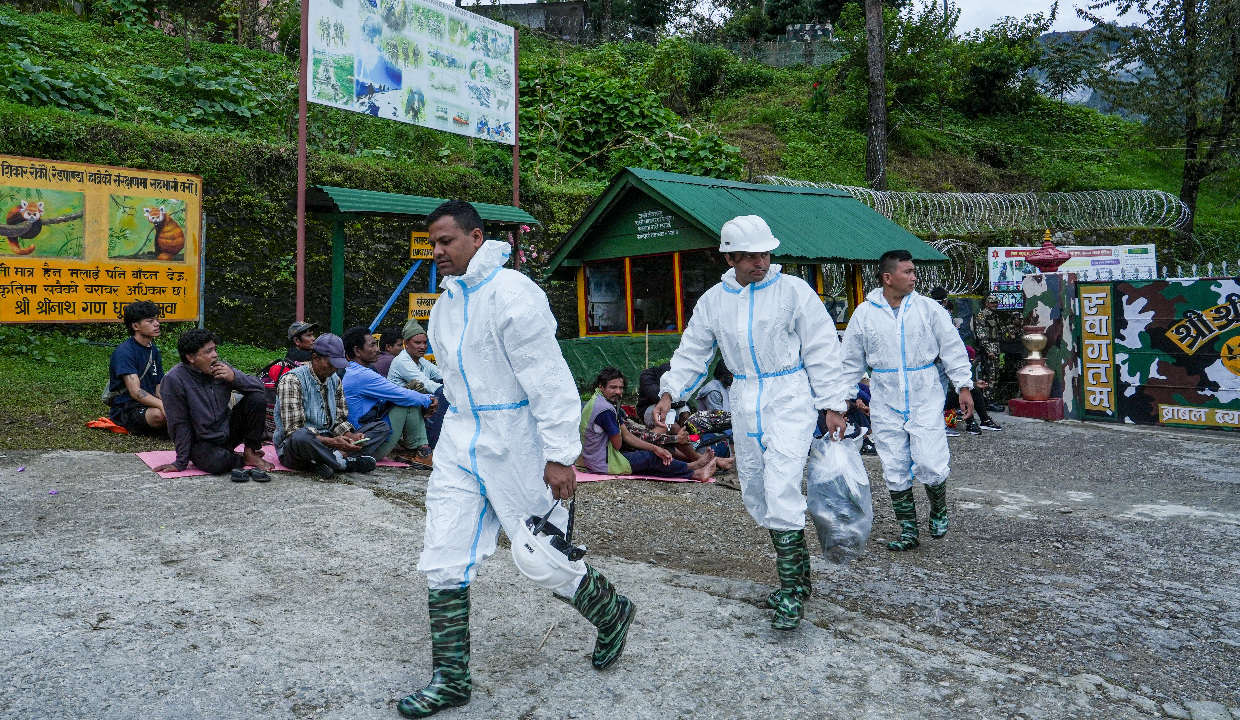
- Rescue operations are ongoing, including efforts to find workers trapped in hydropower tunnels and the deployment of drones to scan for survivors.
- The UN and Nepal have agreed to launch a four-month humanitarian flash appeal to address the crisis.
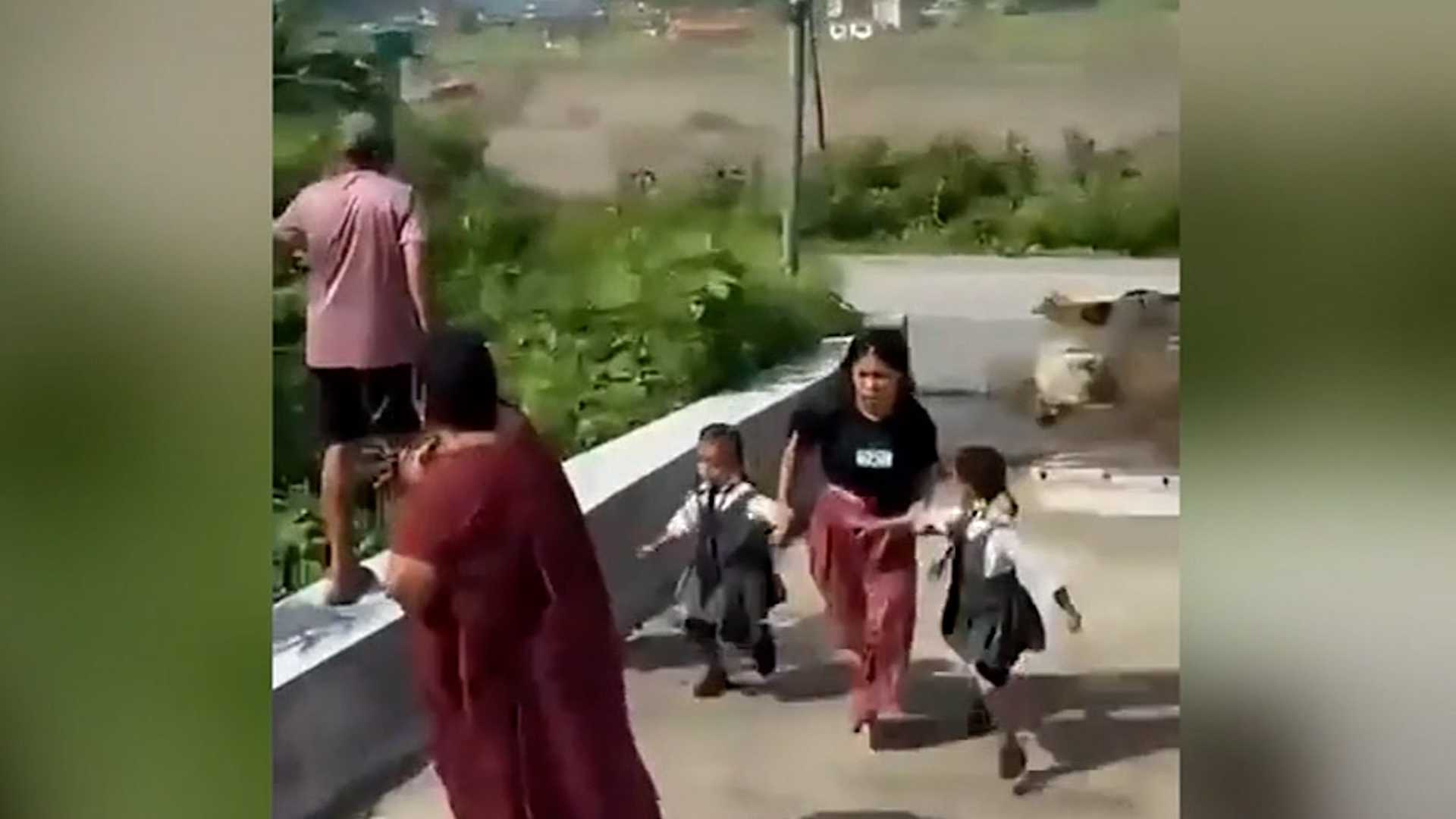
- A woman and two children narrowly escaped the flash floods in Betrawati, Nepal, as shown in a newly shared video.
- Nepal's Prime Minister, Balendra Shah, received news of the flood at 08:45 on 26 August, leading to immediate evacuation orders.
- The UN warns that overcrowded shelters and contaminated water are increasing the risk of disease among the affected population.
- In response to the disaster, Nepal has declared a disaster in 15 affected areas for three months to provide financial assistance and deploy the army.
Nepal is intensifying its relief and recovery operations following devastating flash floods that have claimed over 1,200 lives and left more than 4,200 people missing. The floods, triggered by a glacial collapse, swept through a Himalayan valley, obliterating villages and displacing nearly 3,500 individuals across 27 sites, primarily schools.2
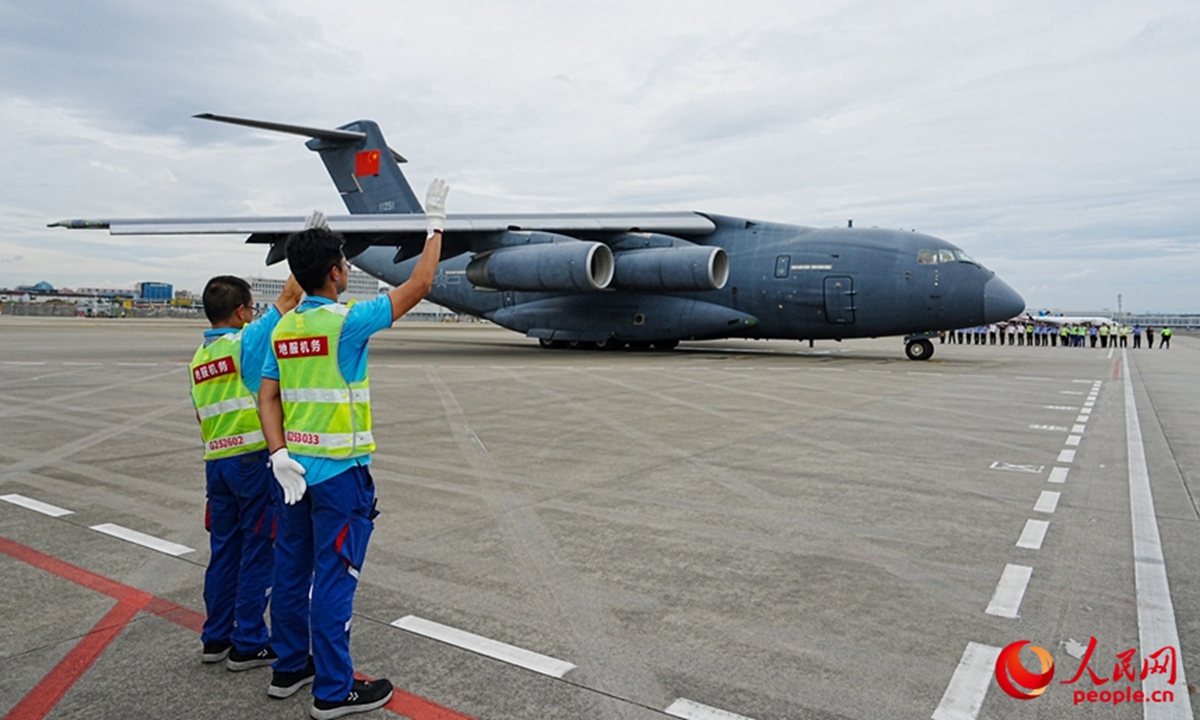
Rescue efforts are ongoing, with nearly 12,000 people rescued so far, but many, including foreign nationals from countries like India, the UK, and the US, remain unaccounted for. Rescuers are working around the clock to clear debris and reopen routes, with assistance from experts in China and India to build temporary bridges to reach remote areas.

The UN's Office for the Coordination of Humanitarian Affairs (OCHA) has raised alarms about the risk of disease in overcrowded shelters, where contaminated water and damaged health facilities pose significant threats. Prime Minister Balendra Shah emphasized the urgency of protecting survivors and providing medical treatment, stating, "We do not have the luxury of taking a rest simply because our bodies are exhausted." He acknowledged the need for better early-warning systems to prevent such disasters in the future.78
In response to the crisis, Nepal has declared a disaster in 15 affected areas for three months, aiming to provide financial assistance to families of the deceased and support for the displaced. The government and the UN are set to launch a four-month humanitarian flash appeal to address the ongoing needs of those affected.59
“The floods, triggered by a glacial collapse, have left nearly 3,500 people homeless across 27 sites in Nuwakot and Rasuwa, disrupting education. The UN's OCHA says more than 40 bridges were destroyed, hampering access, while experts say better early-warning systems could have saved lives.”


 WTAE
WTAE BBC
BBC