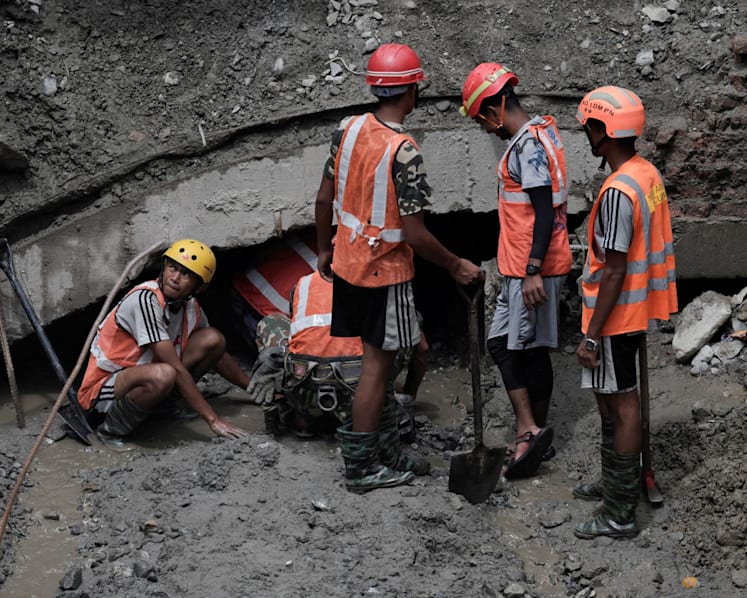
- Rescuers in Nepal are focusing on three hydropower project tunnels where they believe dozens of workers could be trapped, as of Sept 8.
- The search operation is focused on finding survivors, with a bigger focus on the Chilime hydroelectric project, where people are believed trapped because there was a canteen, residency, and food arrangements, according to Dharma Raj Upreti, chief of the country’s disaster authority.
- Teams were also focused on tunnels of the Upper Trishuli 3A and 3B projects, which are linked by an interconnected tunnel, and oxygen has been supplied to these tunnels through pipes, with new equipment sent to open a passage.
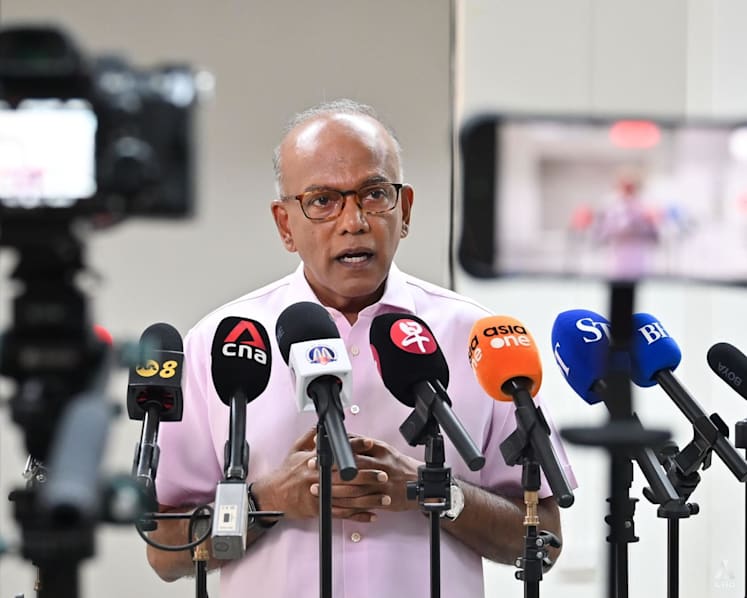
- Nepal’s Prime Minister Balendra Shah vowed there would be no let-up in the rescue operations, emphasizing the humanitarian spirit of the Nepali people.
- About 121 of a total 900 people missing from the hydroelectric projects could have been trapped in these tunnels, while others may have been working elsewhere at the power plants but not inside the vast network of tunnels.
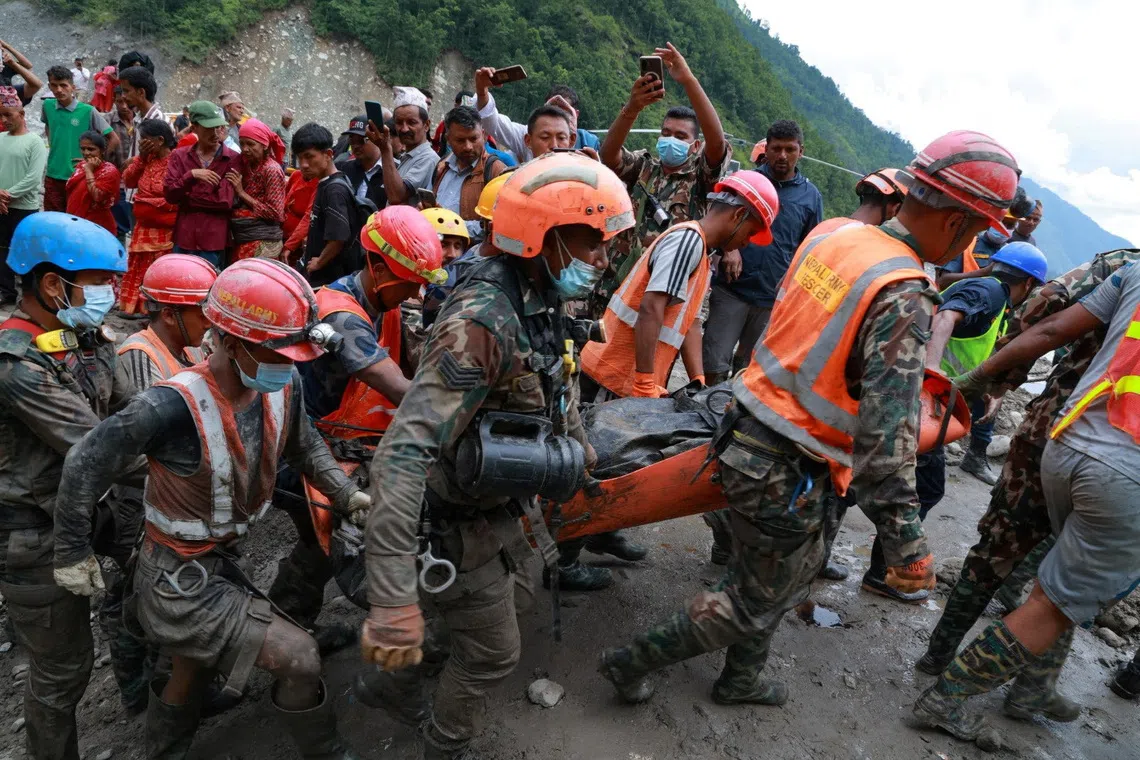
- In recent days, search teams have rescued four people, including a Chinese national pulled from a tunnel on Sept 5, two hydropower workers rescued from another tunnel on Sept 4, and a Nepali woman pulled out from her buried house on Sept 5.
Rescue operations in Nepal are intensifying as authorities focus on three hydropower tunnels, particularly the Chilime project, where they believe dozens of workers are trapped. The disaster, triggered by a glacier collapse on August 26, has resulted in at least 1,399 fatalities and over 5,400 missing in Nepal and Tibet.
Dharma Raj Upreti, chief of the country’s disaster authority, stated, “Our search operation is focused on finding survivors, including in tunnels. Our bigger focus is on the Chilime hydroelectric project, where we believe people are trapped, because there was a canteen, residency and arrangements for food.” Rescue teams are also targeting the Upper Trishuli 3A and 3B projects, which are interconnected.234
As of September 7, 121 of the 900 missing workers are believed to be trapped in these tunnels. In recent days, search teams have successfully rescued four individuals, including a Chinese national and two hydropower workers.
Nepal’s Prime Minister Balendra Shah emphasized the urgency of the situation, stating, “We know our responsibility and its sensitivity. We are translating the humanitarian spirit of the Nepali people into practice through the search and rescue operation.” Both Nepal and China attribute the glacier collapse to climate change, highlighting the ongoing environmental challenges in the region.56
“About 121 of 900 missing people could be trapped in the tunnels, while oxygen has been piped into the Upper Trishuli 3A and 3B tunnels. Prime Minister Balendra Shah vowed no let-up in rescue operations, emphasizing the humanitarian spirit of the Nepali people.”