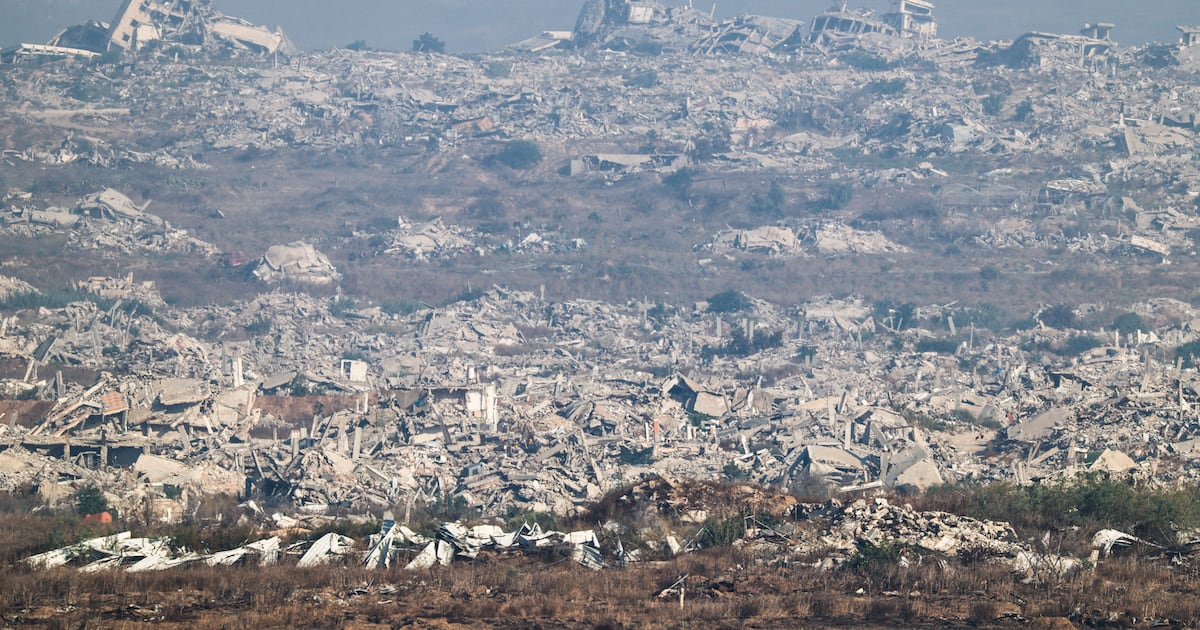
- More than 1,300 people died in the flooding on August 26, 2026, which devastated areas along the Nepal-China border.
- Twenty days after the flood, survivors in Devighat village, Nuwakot, are returning to shovel mud and debris, salvage belongings, and stand where homes once stood.
- Families continue clearing mud and debris on September 14-15, 2026, while monks gather to pray and memorials with messages for the dead are hung.
- More than 5,100 people remain unaccounted for as families searching for missing relatives visit hospitals in Kathmandu to look through photographs and lists displayed on hospital walls.
- The floodwaters have receded, but the pain they brought might never go away as survivors struggle to rebuild their lives.
- Many buildings collapsed during the floods, with mud reaching as high as the fifth floor in some areas.
- A scourged landscape remains in Nuwakot, northwest of Kathmandu, after the deadly flooding.
Twenty days after the catastrophic floods on August 26, which claimed over 1,300 lives, survivors in Devighat, Nuwakot, are grappling with the aftermath. The floodwaters have receded, but the devastation remains palpable as families attempt to rebuild their lives amidst the wreckage.910
In Devighat, many buildings collapsed, with mud reaching as high as the fifth floor in some structures. Survivors are seen shoveling out tons of debris, salvaging whatever they can find, while others stand silently where their homes once stood.11
More than 5,100 people are still missing, prompting families to visit hospitals in search of their loved ones, poring over photographs and lists displayed on hospital walls. Monks and religious figures gather to pray with grieving families, offering solace in this time of profound loss.
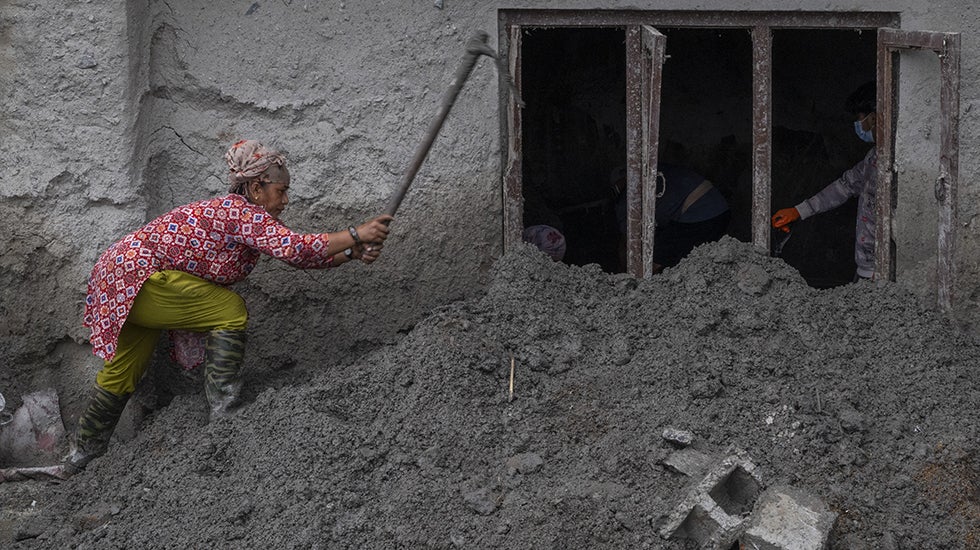
Messages wishing peace for the souls of the deceased have been hung as memorials throughout the village, a poignant reminder of the tragedy that unfolded. The community's resilience is tested as they confront the emotional and physical toll of the disaster, with many expressing that the pain might never go away.
“The floodwaters have receded, but the pain they brought might never go away,” a local resident lamented, encapsulating the struggle faced by the community in the wake of this disaster.
“More than 5,100 people remain unaccounted for as families visit Kathmandu hospitals to search photographs and lists of the missing. In Devighat, mud reaches the fifth floor of some buildings, while monks pray and memorials hang for the dead.”
 The Weather Channel