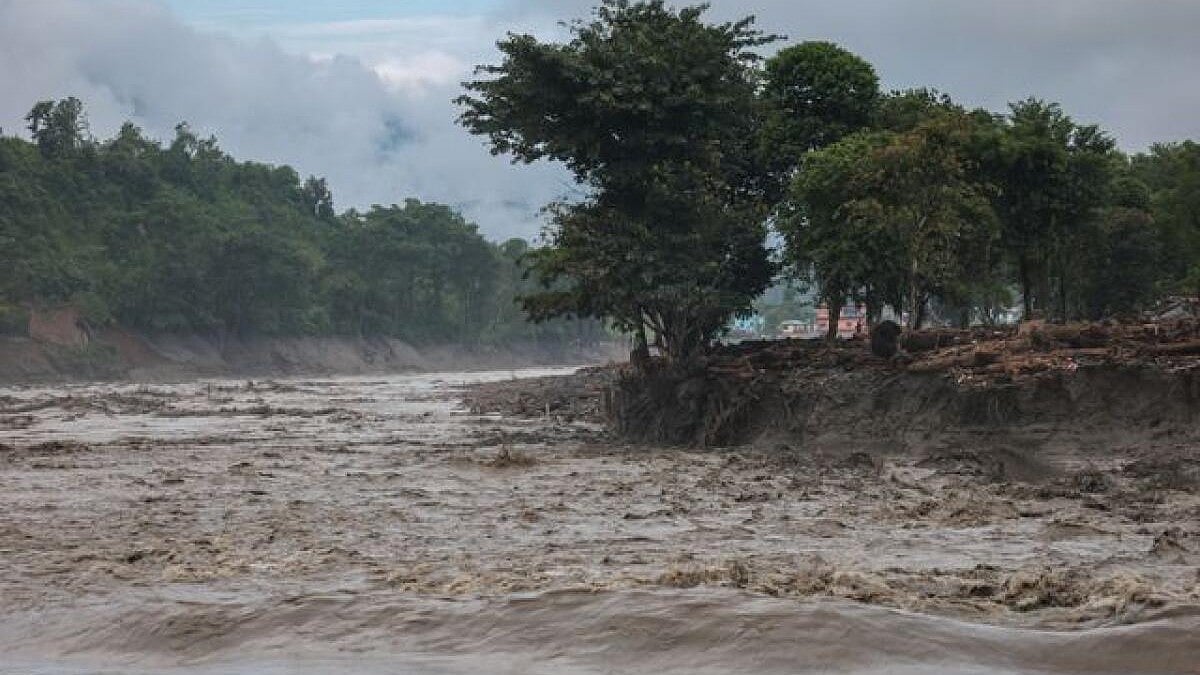
- The death count from the devastating flash floods in Nepal has climbed to 1,204 after emergency teams recovered more bodies, according to Nepal's National Disaster Risk Reduction and Management Authority (NDRRMA).
- The disaster authority added that 4,216 people remain unaccounted for as search, rescue, and relief operations continue in the hardest-hit districts along the Bhote Koshi and Trishuli river corridors.
- Emergency teams have rescued more than 12,000 people, while roughly 4,000 remain missing as search and rescue operations continue.
- Authorities estimate around 20,000 houses need to be rebuilt in flood-ravaged districts, with 7,500 houses completely destroyed.
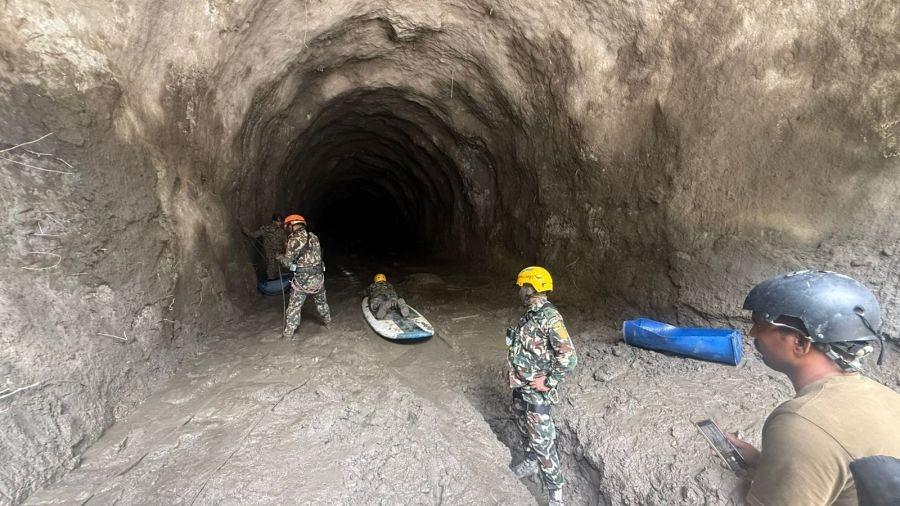
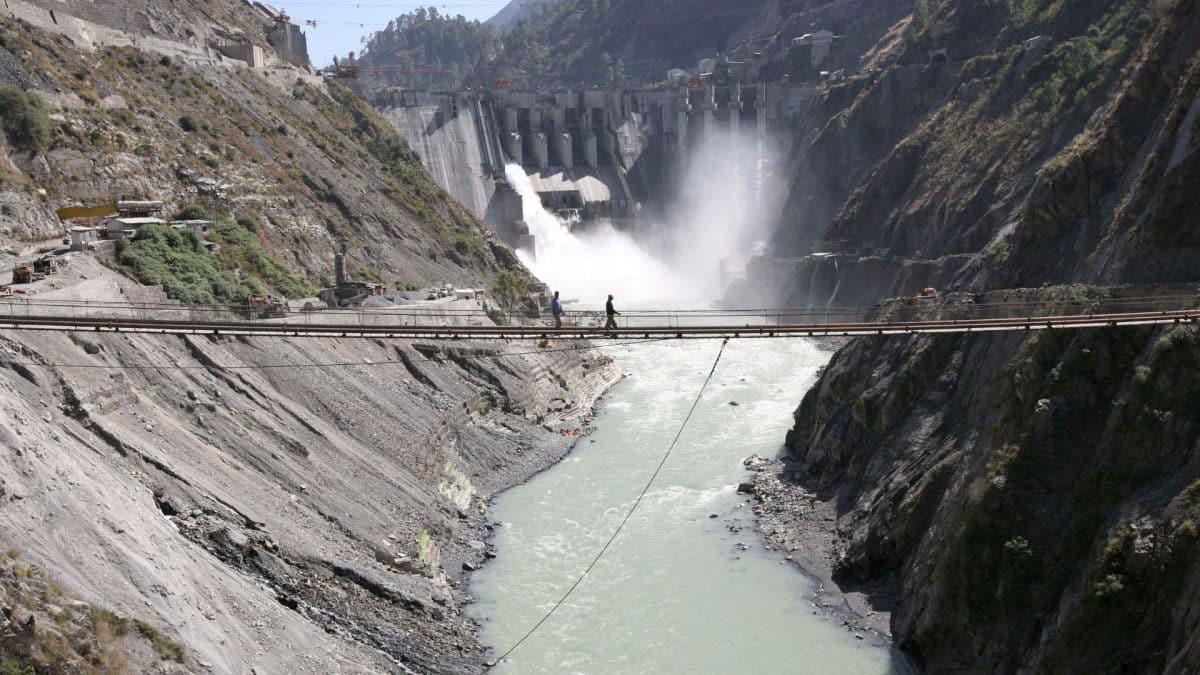
- Search operations continue in hydropower tunnels with assistance from India, South Korea, and China, and will continue as long as there is hope of finding survivors.
- At least 22,000 children urgently need safe drinking water, sanitation, and hygiene support, according to UNICEF.
- Nepal Prime Minister Balendra Shah told Parliament that the catastrophic Bhotekoshi River flood of August 26 is a stark warning of escalating climate risks and called on the international community to share responsibility for mitigating its impacts.
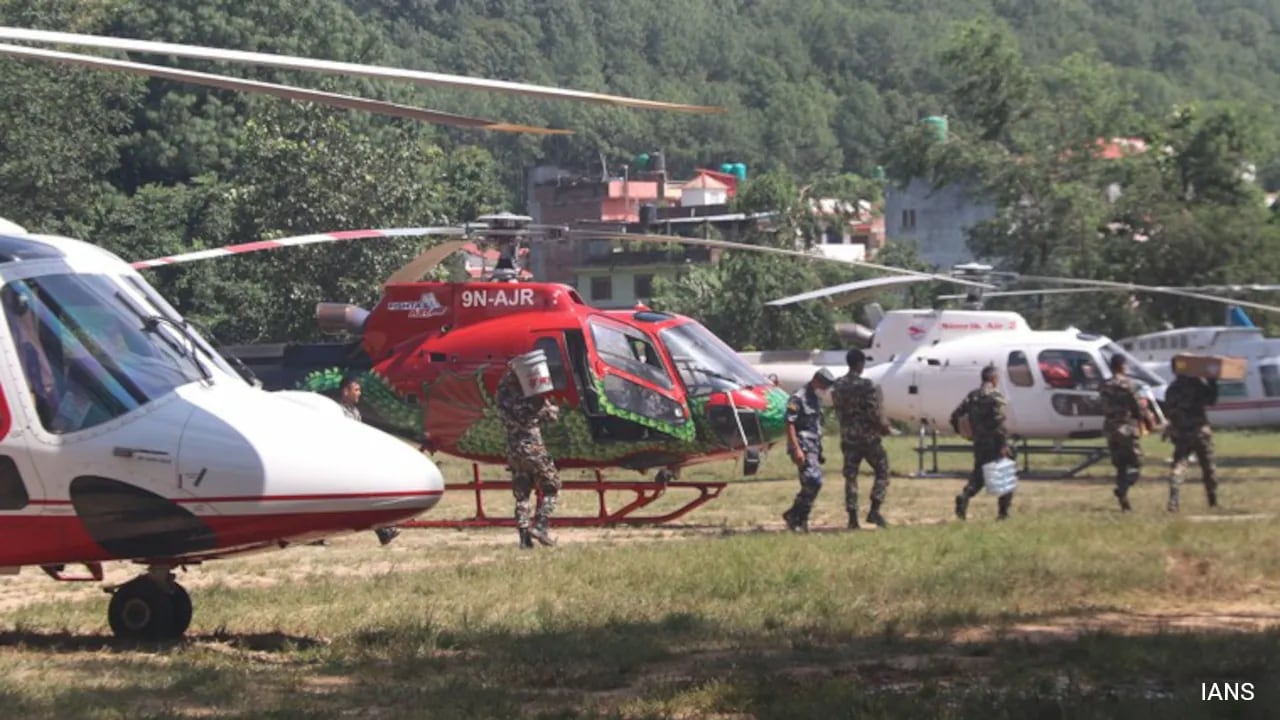
- India delivered a fifth tranche of over five tonnes of essential medicines to flood-ravaged Nepal, alongside an 11-member rescue team.
- Authorities seek safer sites for new settlements instead of rebuilding in the same locations, as stated by Dharma Raj Upreti.
The death toll from the catastrophic floods in Nepal has reached 1,204, with 4,216 individuals still unaccounted for.1
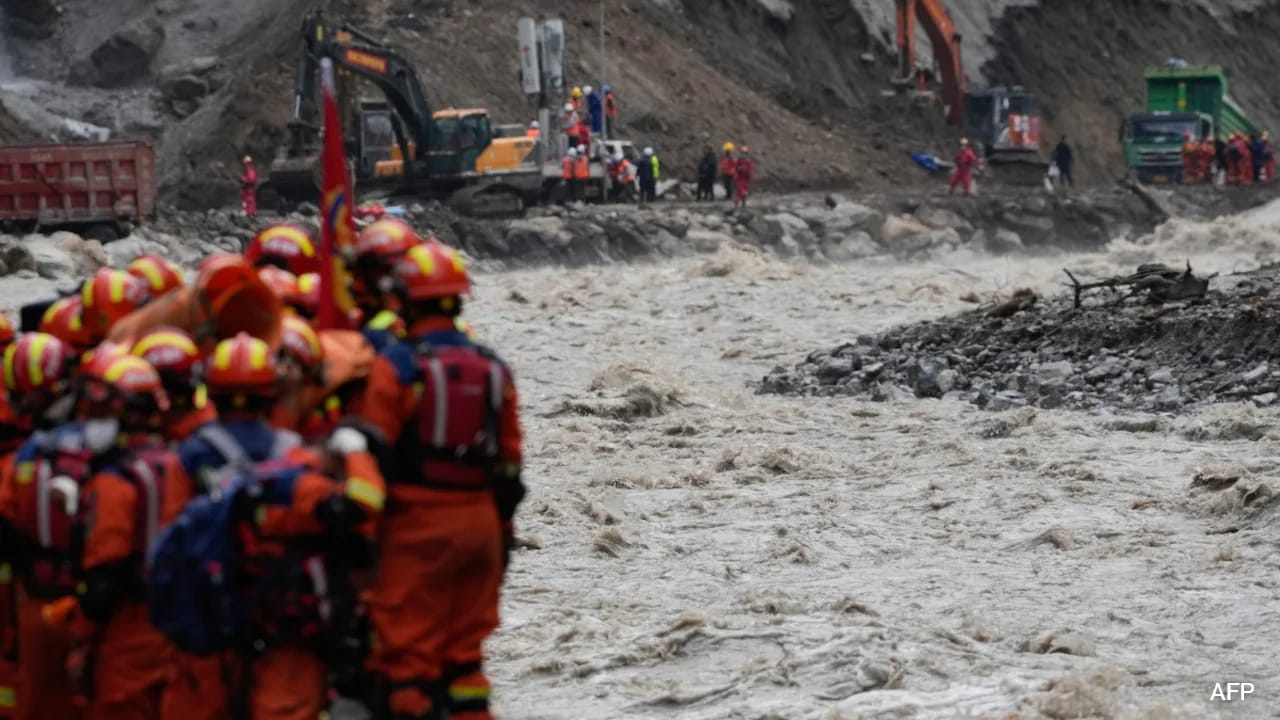
Emergency teams are actively engaged in search and rescue operations across the affected regions, particularly along the Bhote Koshi and Trishuli river corridors.2
"Our preliminary estimates are that 7,500 houses have been completely destroyed, either washed away or buried under debris and mud," said Dharma Raj Upreti, chief of the National Disaster Risk Reduction and Management Authority.10
Authorities are now focusing on identifying safer sites for rebuilding approximately 20,000 homes, as many areas remain vulnerable to future disasters.
"There is no point in rebuilding the houses in the same locations, as that would expose people to the same risks," Upreti emphasized.
Nepal's Prime Minister Balendra Shah has called for international support, stating that the floods serve as a stark warning of escalating climate risks in the region.8
"This is a serious signal that, alongside climate change, the risks we must bear in the Himalayan region are increasing," he remarked.
In the wake of the disaster, India has provided humanitarian assistance, including over five tonnes of medical supplies and a specialized rescue team.9
"The search-and-rescue operation will continue as long as there is any hope of finding survivors," an army officer involved in the operation stated.
As recovery efforts progress, UNICEF has reported that at least 22,000 children urgently need safe drinking water and sanitation support.7
“India delivered a fifth tranche of over five tonnes of medicines and an 11-member rescue team, while Nepal seeks 'climate-related compensation' from the US, India, and China. UNICEF says at least 22,000 children urgently need water and sanitation support.”