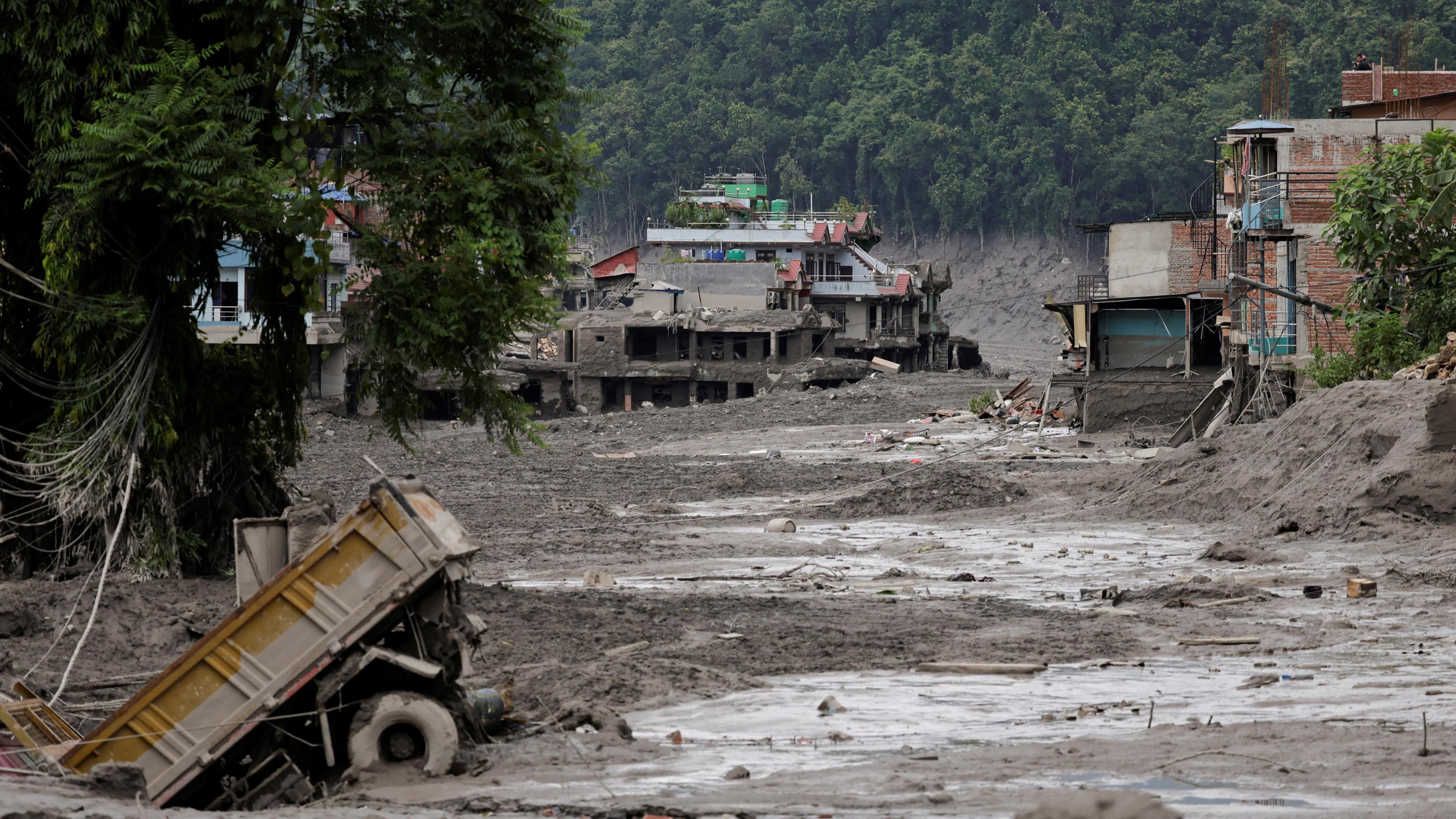
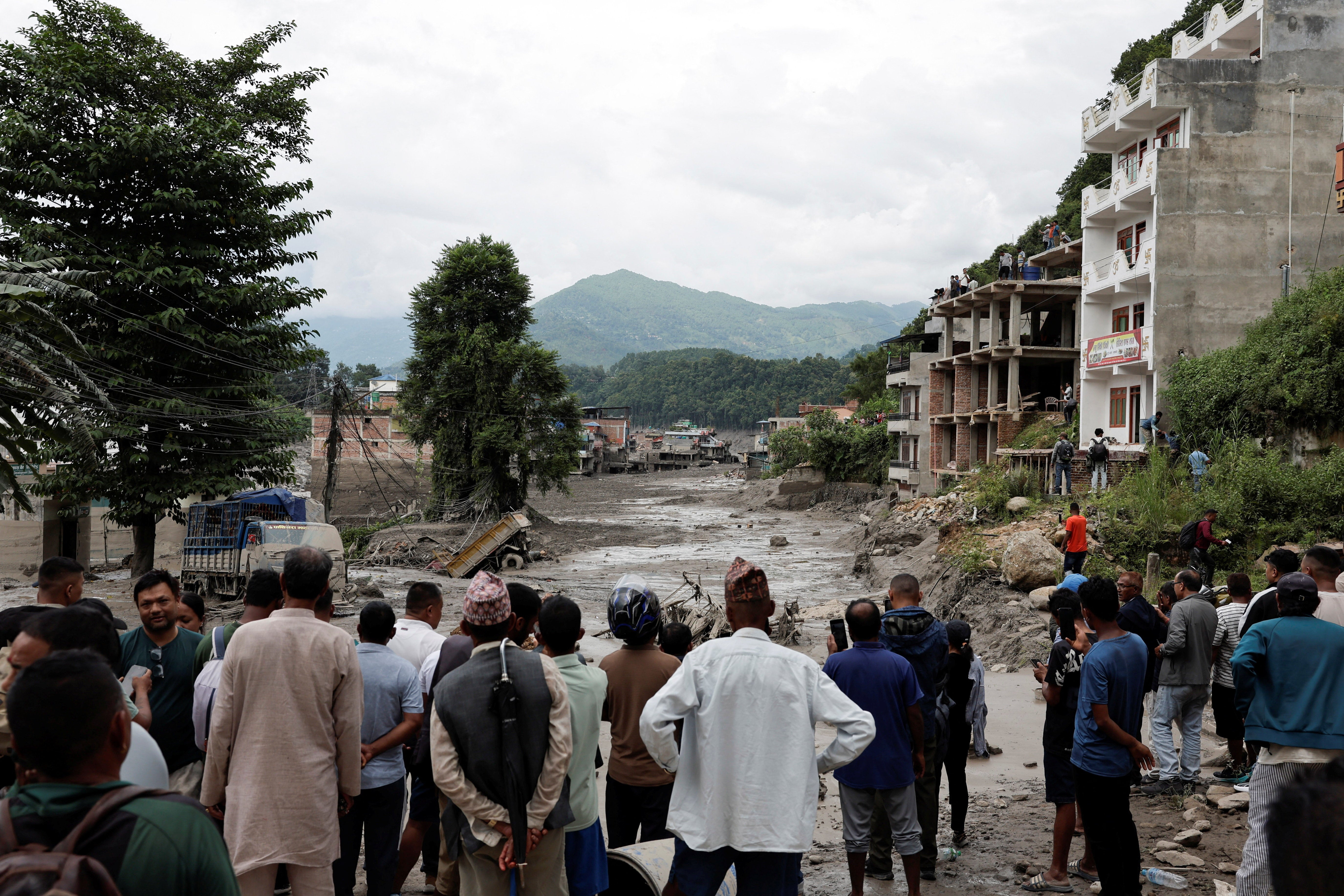
- A man from Nepal is flying back to search for his wife, parents, brother and uncle, who have all been missing since devastating flash floods hit the region.
- Rescuers have been looking for survivors after the massive flash flood and landslide which destroyed homes and roads. The US Geological Survey said "glacial collapse and debris flow" triggered the floods. There are concerns debris in rivers could cause a second flood.
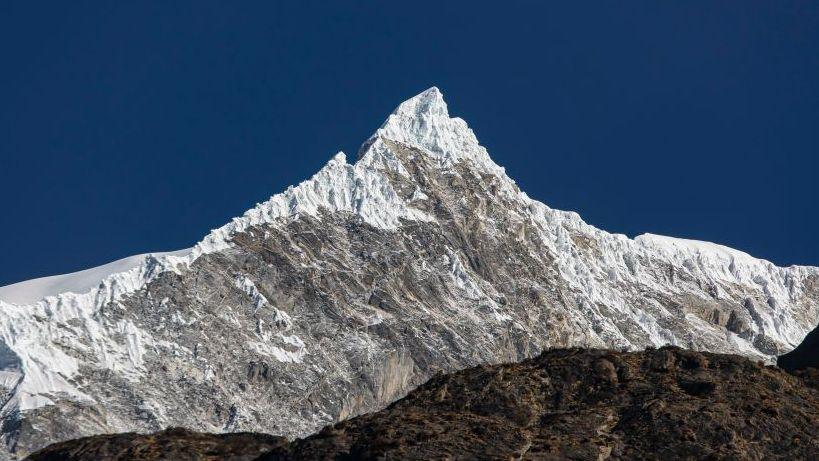
- The USGS (U.S. Geological Survey) said that a magnitude 5.2 seismic event near the Nepal-China border was caused by the impact of ice and debris falling from a glacier, describing it as a "glacial collapse and debris flow that caused subsequent catastrophic impacts downstream."
- Scientists said on Wednesday that their analysis of satellite images suggested ice breaking off a glacier could have triggered the avalanche, leading to a river being temporarily dammed and ultimately bursting.
- Pramod Poudel, who lives in Uckfield in East Sussex, says he has not heard from his family since the flood on the Nepal-Tibet border on Wednesday, which led to about .
- Satellite imagery shows that a portion of a glacier broke off and plummeted roughly 1,200 to 1,300 metres into the valley below.
- Simon Cook, of the University of Dundee, suggested that a sudden warm spell at high altitude may have caused extensive snow melt, lubricating the glacier and triggering the collapse, noting that satellite imagery showed "a lot of that snow disappeared."
- Cook compared the event to a similar Himalayan flood in 2021, but said "We think this is a much bigger event... It’s unlike anything we’ve seen before."
- Liz Stephens, professor at the University of Reading, explained that the steep valley would create a large lake behind the barrier, and Cook noted that water could have been moving as fast as 50 metres per second, making an early warning system unlikely to help in time.
- Cook expressed suspicion that climate change played a role but said "we can’t say for sure," while Sarah Boulton, professor of geohazards at the University of Plymouth, noted that the tremor's strength might indicate an earthquake caused the slope failure, with understanding to come in the following days and weeks.
Flash floods in Nepal have left families devastated, with many missing after a glacial collapse triggered a catastrophic debris flow. Pramod Poudel, who lives in the UK, is returning to search for his family, stating, "Nobody knows what happened" as communication lines remain down.
The US Geological Survey confirmed that a magnitude 5.2 seismic event was linked to the glacier's collapse, which caused a river to be temporarily dammed before bursting. Scientists believe a sudden warm spell may have led to extensive snow melt, contributing to the disaster. Simon Cook from the University of Dundee noted, "It’s unlike anything we’ve seen before", referencing a similar event in 2021.56
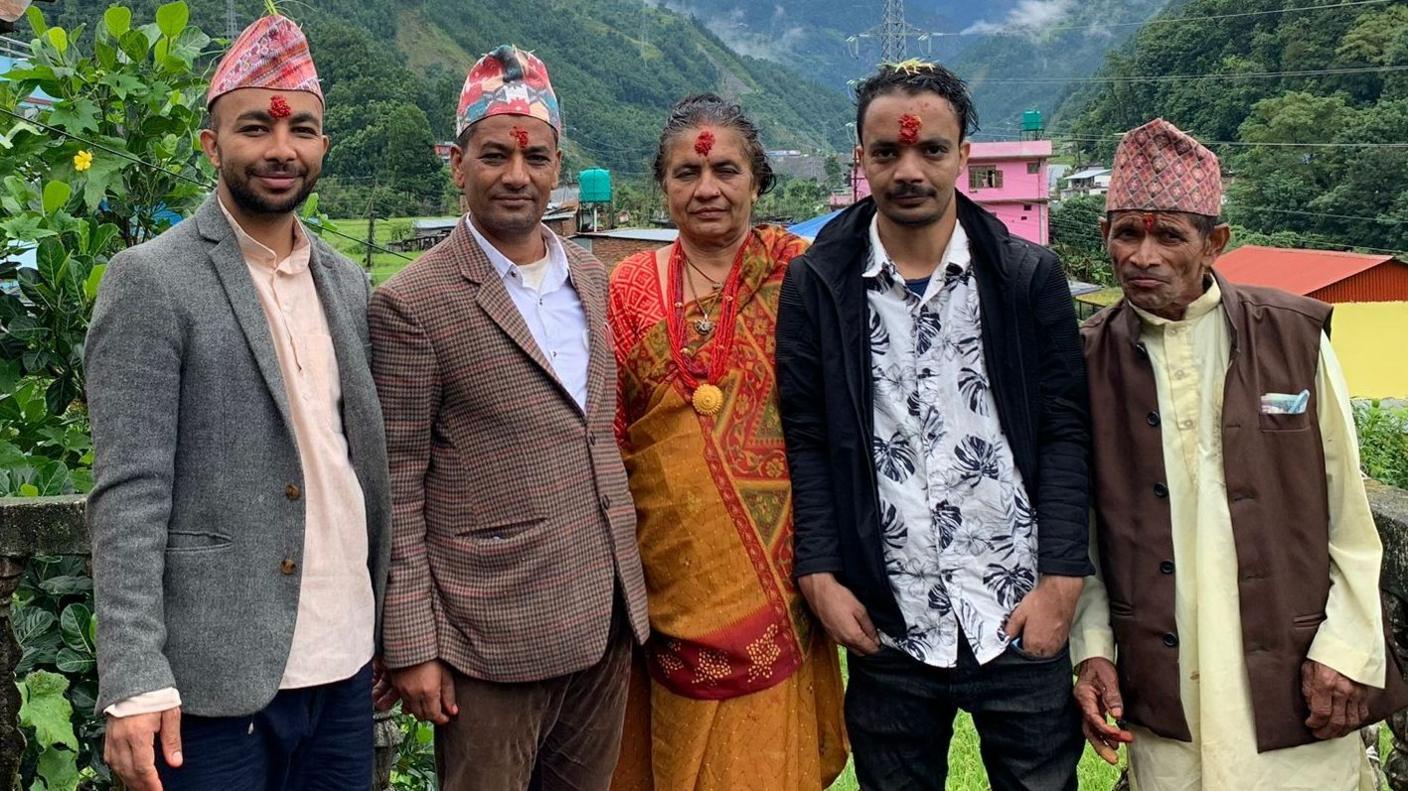
Rescue efforts are hampered by destroyed infrastructure, with Poudel lamenting, "There's no power, no electricity, so I can't contact anyone". Concerns are growing that debris in the rivers could lead to a second flood, complicating rescue operations further. Liz Stephens from the University of Reading explained the geography of the area, stating, "It’s a steep valley so the barrier would produce a big lake behind it".234
As the search for survivors continues, experts emphasize the need for further investigation into the causes of this disaster, with Sarah Boulton noting, "Understanding exactly how this happened will occur in the next days and weeks".
“Poudel, who runs a Nepalese food truck, says "nothing remains" where his family lived and that "nobody knows what happened" due to broken bridges and no power. The USGS described the event as a "glacial collapse and debris flow that caused subsequent catastrophic impacts downstream."”


 The Times