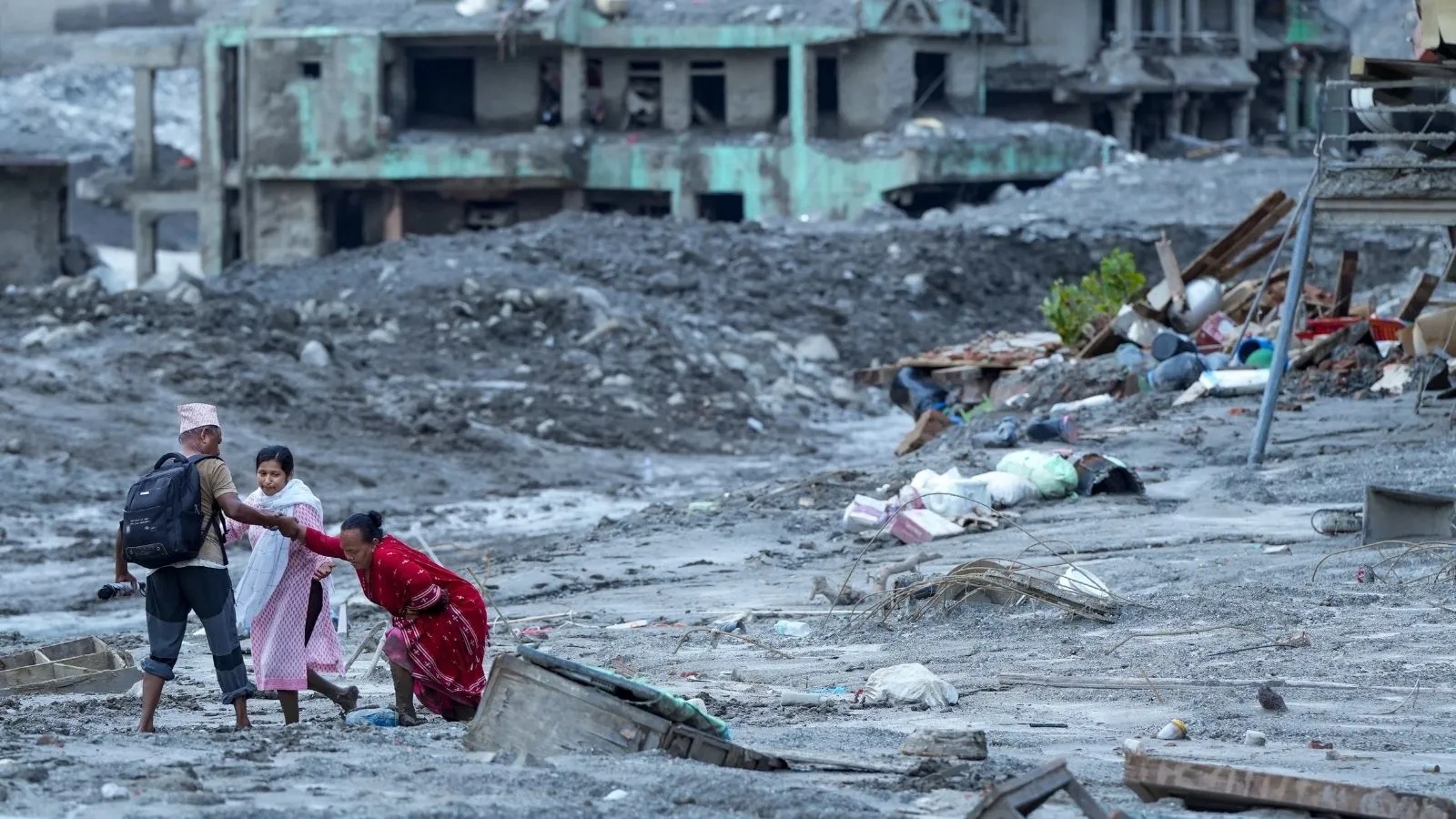
- The immediate health risk after flash floods is contamination of drinking water and food, which can lead to infections spreading quickly, with symptoms like diarrhoea, vomiting, abdominal cramps, fever and dehydration.
- Flood-related infections include acute gastroenteritis, as well as typhoid, cholera, dysentery and hepatitis A and E, which spread through contaminated food and water.
- People should avoid food that has come into contact with floodwater, spoiled food, or food stored improperly during a power outage; raw and cooked food should be kept separate, and hands washed thoroughly before eating or preparing food.
- Drinking untreated water or water exposed to floodwater is risky, and even clean-looking water may contain harmful microorganisms; seek medical attention for blood in stool, persistent fever, severe abdominal pain, reduced urine output, dizziness, weakness or confusion.
- Self-medication, particularly unnecessary antibiotics, should be avoided because not every diarrhoea episode requires antibiotic treatment; maintaining safe water, hand hygiene, food safety, and timely medical care reduces serious gastrointestinal complications.
- The simple rule after a flood is: safe water, safe food and early attention to symptoms can prevent a secondary health crisis.
Doctors warn that flash floods in Nepal have led to significant health risks, primarily due to the contamination of drinking water and food.1
“One of the immediate concerns is contamination of drinking water and food. Floodwater can mix with sewage, animal waste, chemicals and decaying material, creating a setting where infections can spread quickly,” said Dr Manish Dodmani, a consultant gastroenterologist.
Infections such as typhoid, cholera, dysentery, and hepatitis A and E are particularly concerning, as they can spread rapidly through contaminated resources. Symptoms of these infections include diarrhoea, vomiting, abdominal cramps, fever, and dehydration.
“People should be especially careful about drinking untreated water that has been exposed to floodwater, or consuming food that has been stored without proper refrigeration,” cautioned Dr Zanwar.4
The health experts emphasize the importance of safe water, proper hand hygiene, and food safety to mitigate the risk of gastrointestinal complications. “The simple rule after a flood is: safe water, safe food and early attention to symptoms can prevent a secondary health crisis,” added Dr Dodmani.6
Additionally, self-medication should be avoided, particularly unnecessary antibiotics, as not every episode of diarrhoea requires antibiotic treatment.
The health risks following the floods highlight the urgent need for public awareness and timely medical care to prevent further health crises in the affected regions.
“Doctors advise avoiding food that has touched floodwater and untreated water, even if it looks clean, and to seek medical care for blood in stool, persistent fever, or confusion. They also caution against self-medication with antibiotics, as not every diarrhoea episode requires them.”
 The Indian Express