Sources: 

Amid ongoing tensions, pentagon chief
Pete Hegseth will testify on the Mideast conflict before Congress as negotiations with Iran stagnate. The
U.S. is wary of a new Iranian proposal aimed at unblocking the
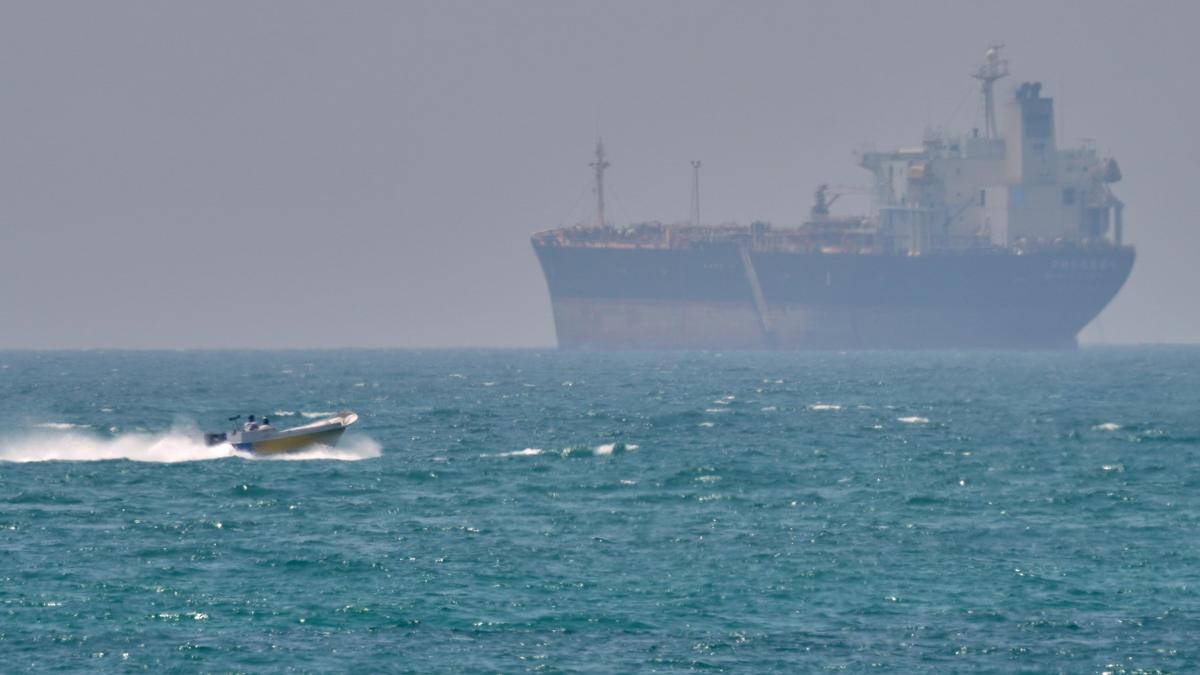
Strait of Hormuz, a crucial maritime route for oil shipments.
With fighting between
Iran, the
U.S., and
Israel having paused under a ceasefire, efforts to craft a permanent agreement remain inconclusive. Iran has accused the U.S. of "piracy" after its vessels were seized, reflecting escalating tensions in the region.
Iran's latest proposal, communicated through intermediaries like
Pakistan, included stipulations regarding nuclear issues and Hormuz, which the
U.S. finds promising yet uncertain.
Secretary of State Marco Rubio remarked, "The proposal was better than what we thought they were going to submit, but we question if the Iranian officials have real authority."
The ongoing conflict has significant implications for global oil supply chains, resulting in market volatility. The blockade of the
Strait of Hormuz has raised concerns globally, as it is essential for energy transport. This situation is compounded by domestic political pressures on
Trump to de-escalate the conflict, given rising prices and a troubling public sentiment ahead of the critical midterm elections.
Sources: Pentagon chief Pete Hegseth prepares to testify before Congress as negotiations over the Iran conflict stall amid fluctuating stock markets. The U.S. remains skeptical about Iran's proposal to unblock the crucial Strait of Hormuz, impacting global oil supply amid ongoing tensions.