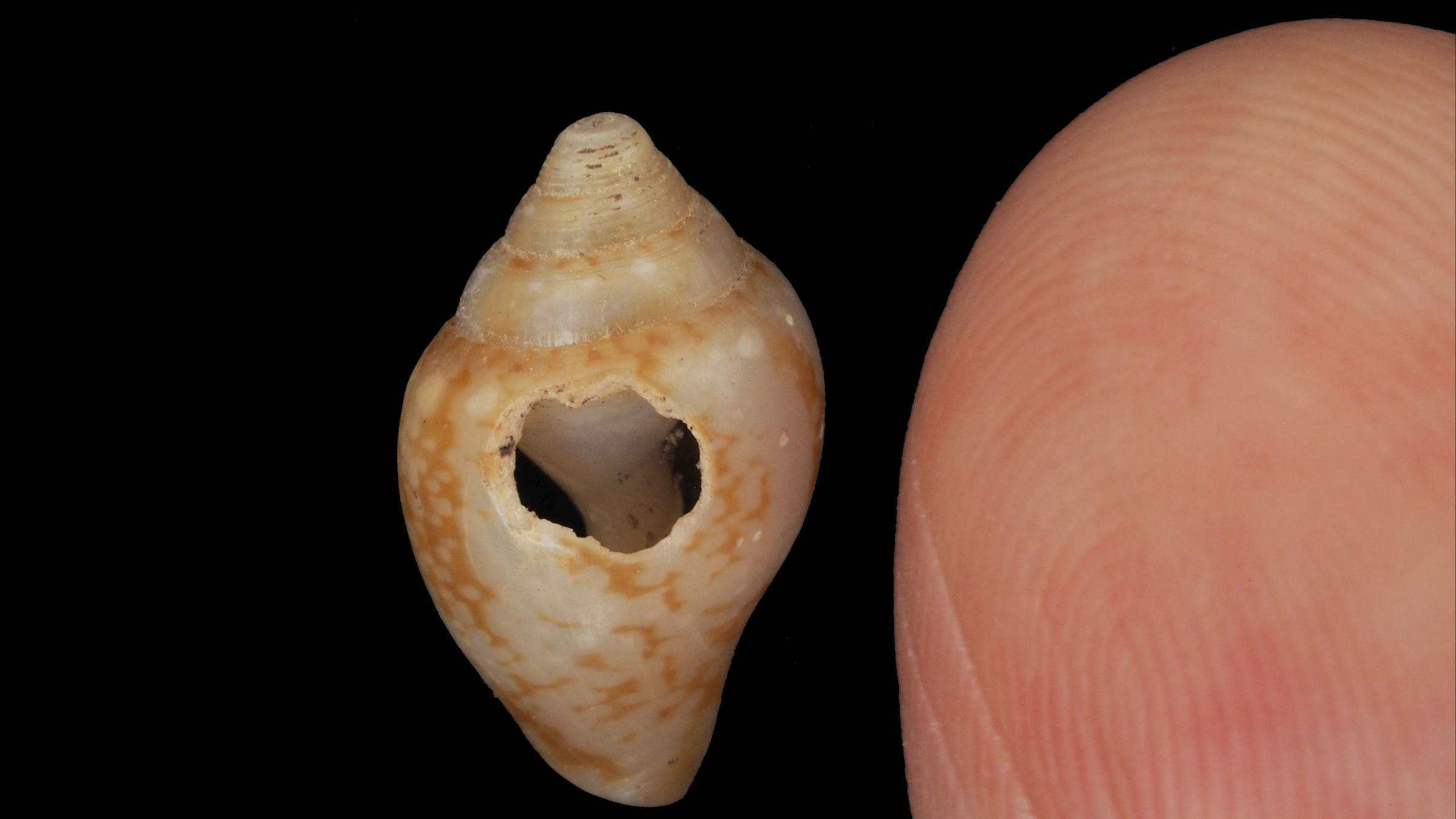
- Neanderthals and modern humans at Üçağızlı II Cave shared similar tools and collected the same type of seashells over a span of more than 20,000 years, according to a study published in the *Proceedings of the National Academy of Sciences USA*.
- The study indicates that both groups had substantially uniform hunting-gathering strategies and lithic technology, despite living in different time periods.
- 29 shells of a small marine snail, *Columbella rustica*, were found in the cave, suggesting that both Neanderthals and modern humans collected them not for food but as ornaments.
- The findings suggest a deep level of cultural interaction between Neanderthals and modern humans, indicating they may have shared cultural aspects.
- The study's lead author, İsmail Baykara, noted that the shell-collecting behavior was previously thought to be exclusive to modern humans.
A new study published in the Proceedings of the National Academy of Sciences USA indicates that Neanderthals and modern humans coexisted in Türkiye's Üçağızlı II Cave, sharing cultural practices over a span of more than 20,000 years.1
The research reveals that both groups hunted similar prey, including wild goats, fallow deer, roe deer, and wild boar, and utilized the same local resources for tools.
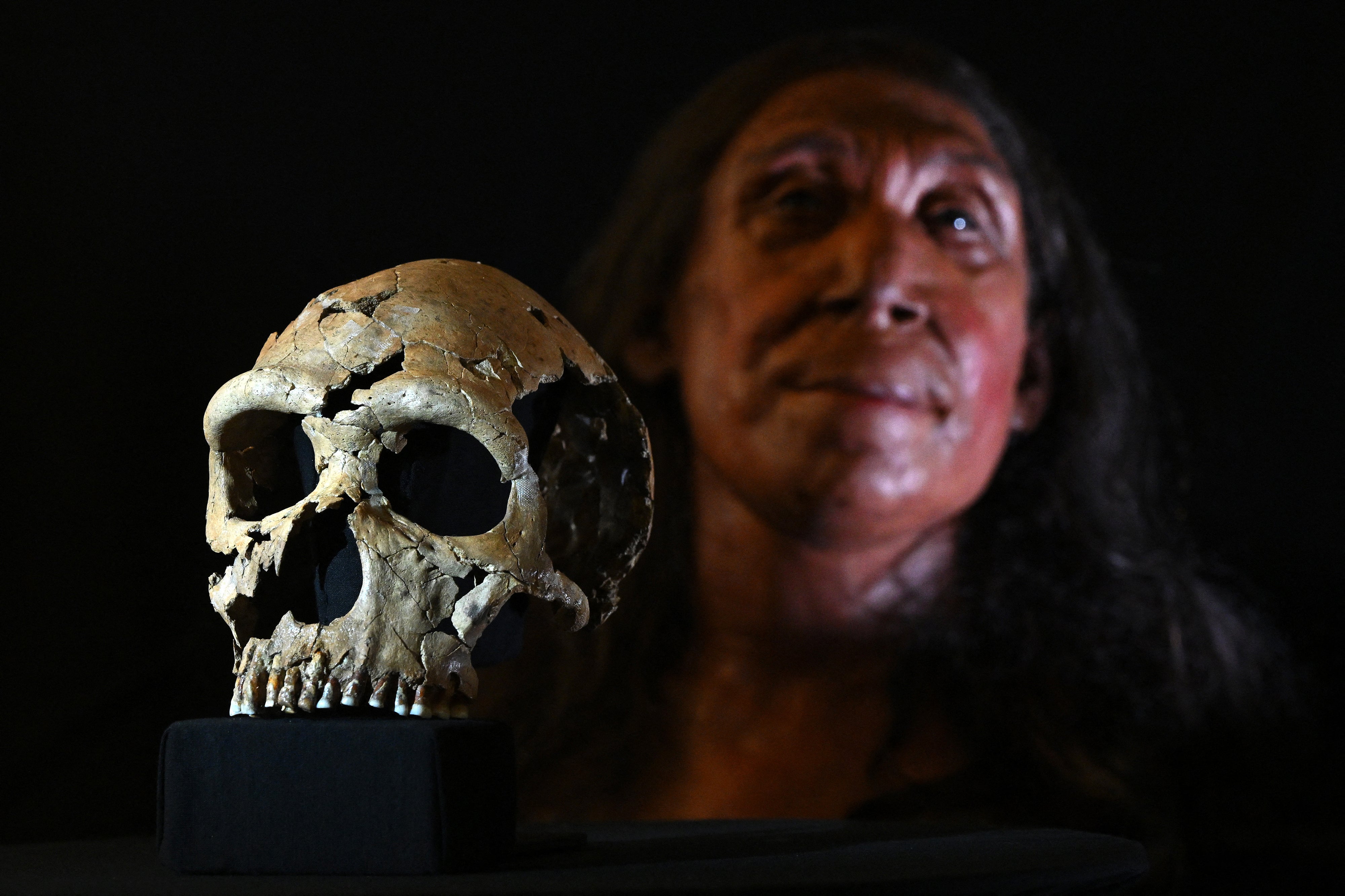
Archaeologists discovered 29 shells of the marine snail Columbella rustica, which were likely collected for ornamental purposes rather than food, suggesting a shared cultural significance.3
Study co-author and paleoanthropologist at Kyoto University, Naoki Morimoto, noted, “Given that daily survival and food procurement were literally matters of life or death, their shared focus on a non-utilitarian seashell is highly revealing.”
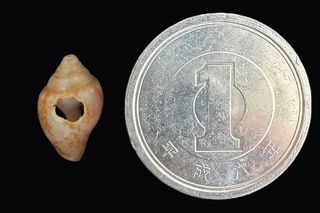
The findings challenge previous assumptions that shell-collecting was exclusive to modern humans, indicating that both species may have engaged in similar symbolic behaviors despite their different timeframes in the cave.

Lead author İsmail Baykara emphasized that the evidence points to a deep level of cultural interaction, stating, “This finding forces us to reconsider the nature of cultural boundaries and perhaps even cognitive capacities among different human groups in the Levant.”4
The study reshapes our understanding of Neanderthals and modern humans, suggesting they shared tools and behavioral practices, highlighting a fascinating aspect of human prehistory.
“Published in PNAS, the study analyzed artifacts from Üçağızlı II Cave where both Neanderthals and modern humans hunted the same prey and used similar stone tools. The shared non-utilitarian shell collection suggests cultural transmission, challenging assumptions about cognitive boundaries between the groups.”




