- The Neanderthal growth hormone receptor variant is inherited through interbreeding with modern humans around 47,000 years ago.
- Common in South and East Asia, present in up to 24% of some populations, and about 0.5% of Europeans.
- Two amino acid changes and one small deletion distinguish the Neanderthal receptor.
- Lab-grown cells expressing the Neanderthal receptor show a 40% higher growth response to growth hormone.
- No growth differences before age 11 in more than 6,000 children, with effects likely emerging at puberty.
- About 270 grams (9.5 ounces) more muscle mass in adults, with jaw and tooth differences observed.
New research in Current Biology links a Neanderthal version of the growth hormone receptor to stronger muscle growth in lab cells and to modestly more muscle mass in people who carry it today.
The receptor differs by two amino acid changes and one deletion, and one change drives most of the effect. In lab tests, cells with the Neanderthal receptor grew about 40% more in response to growth hormone than cells with the modern receptor. The team notes that this lab signal aligns with population data from more than a million people.45
Population data show the variant is present in up to 24% of people in some South Asian populations and about 0.5% of Europeans; overall it is common in South and East Asia and tied to non-African ancestry.23
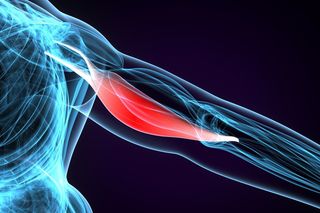
Beyond muscle, the variant is linked with subtle differences in the skull and teeth, including a slightly shorter lower jaw and shorter tooth roots. The researchers analyzed body measurements from more than 6,000 children through age 11 and found no growth differences before puberty, suggesting effects emerge later when growth hormone levels rise. In adults, carriers had an average of 270 grams (≈9.5 ounces) more muscle mass.78
“What struck me most was that two very different types of evidence told the same story,” says Philipp Kanis. “Cells grown in the laboratory responded more strongly, while data from more than a million people showed signs of the same effect in the body. It is rare to see laboratory and population evidence fit together so clearly.”
“It is fascinating that one genetic change inherited from Neandertals can still have an effect on the human body today,” added Hugo Zeberg. “But this is only one of many genetic influences on growth and body shape. It cannot explain the Neandertal body type on its own, and it certainly does not determine a person’s overall appearance.”

The study also notes that the Neanderthal version is more common in people with non-African ancestry.
Additionally, the research shows no differences in growth through age 11, indicating effects may emerge later in puberty, when growth hormone rises.
In adults, the mass boost is about 270 grams (9.5 ounces). The variant is also linked to subtle cranial and dental differences, including a shorter lower jaw and shorter tooth roots, features more typical of Neanderthals.
“The variant, inherited from interbreeding around 47,000 years ago, is carried by up to 24% of some South Asian populations but only 0.5% of Europeans. Lab cells with the receptor grew 40% more in response to growth hormone, and adults with it average about 270 grams more muscle.”




