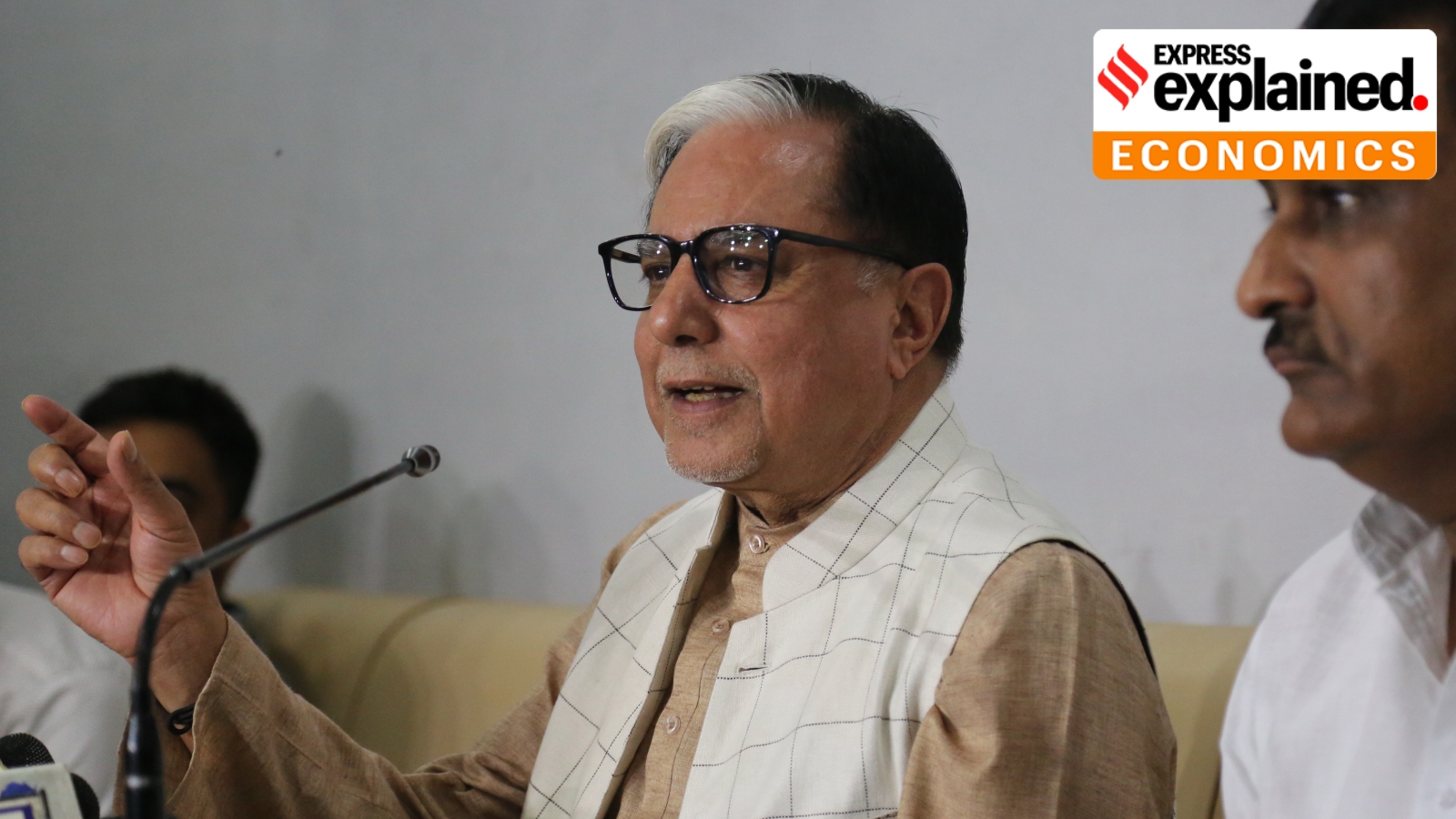
- NCLT has approved Subhash Chandra's ₹6.5-crore settlement plan.
- The article explains that 'haircuts' refer to the reduction in the value of debt that creditors must accept during the resolution process.
- Recovery rates under the IBC have been low, with FY26 seeing the lowest at 20% in five years.
- In FY23, the IBC showed a peak recovery rate of 39% for financial creditors.
- To reduce excessive haircuts, the SBI chairman suggested asset valuation systems that reflect enterprise value instead of liquidation value.
- Bank of Baroda emphasised that accurate and timely valuation of the corporate debtor’s assets is crucial for maximising recovery.
- Indian Overseas Bank pointed out that valuation practices vary widely due to lack of uniform guidelines.
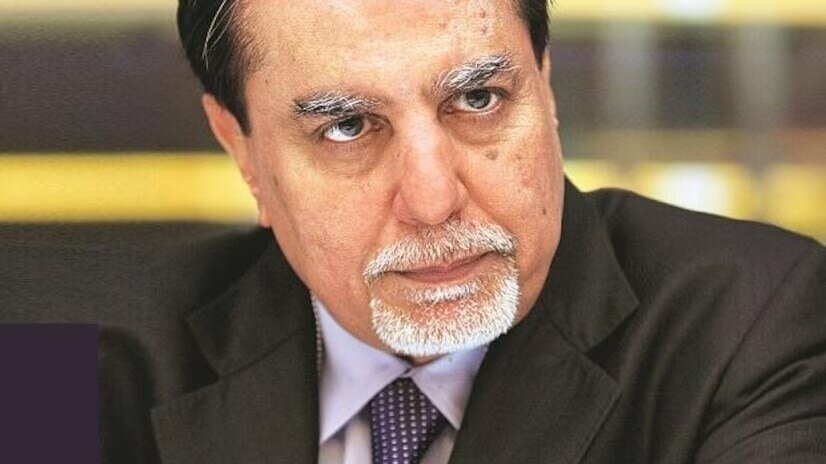
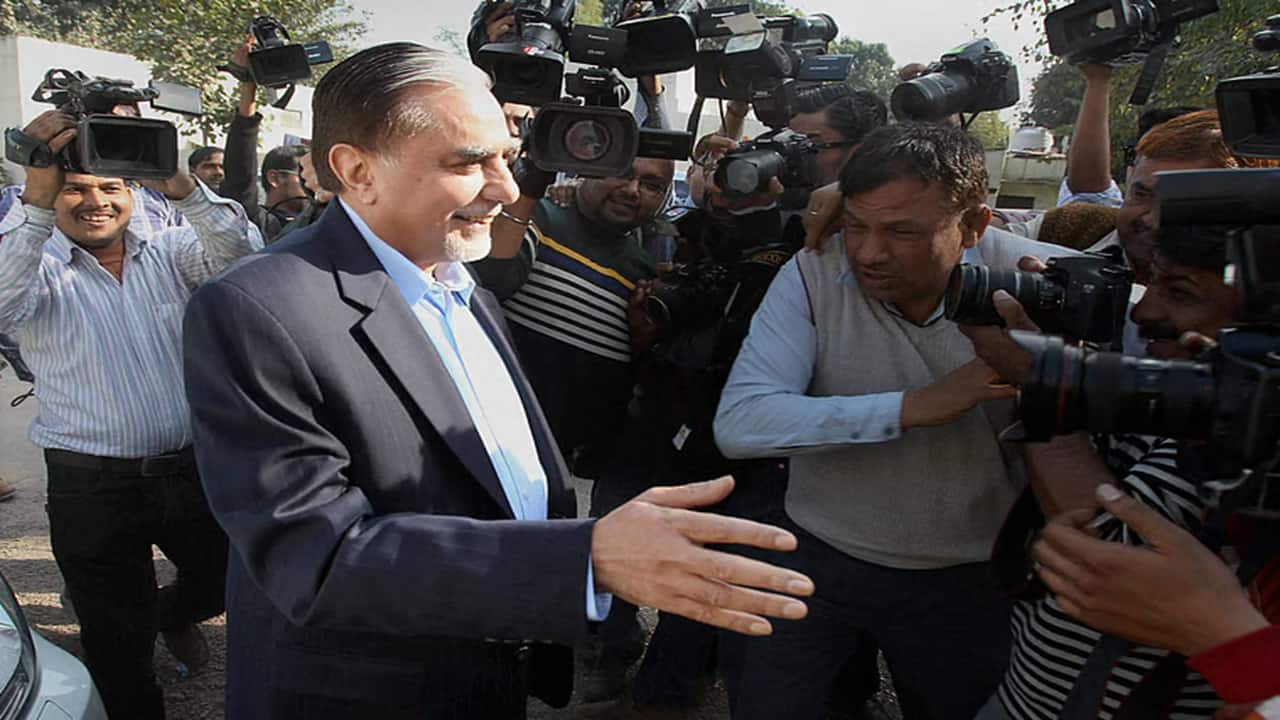
The NCLT's recent approval of Subhash Chandra's Rs 6.5 crore settlement has raised eyebrows, as it starkly contrasts with the Rs 22,006.57 crore in claims against him. Chandra's assertion that the total claim is only Rs 3,992 crore highlights the complexities of personal insolvency proceedings.1
The IBC recovery rates have plummeted, with FY26 recording a mere 20% recovery against admitted claims, the lowest in five years. Previous years showed 37% in FY25, 28% in FY24, 39% in FY23, and 24% in FY22, indicating a troubling trend for creditors.34
The government emphasizes that the primary goal of the IBC is resolution, not recovery. The Union Finance Ministry noted that asset valuations often include non-performing assets (NPA), which can skew recovery expectations. “It may not be appropriate to see realization in relation to claims of the creditors,” they stated.
To mitigate excessive haircuts, suggestions include improving asset valuation systems to reflect enterprise value rather than liquidation value. The SBI chairman remarked, “One of the suggestions to reduce excessive haircuts is asset valuation systems to ensure the reflection of enterprise value instead of liquidation value.” Accurate and timely asset valuation is crucial for maximizing creditor recovery and facilitating successful revival plans, as noted by Bank of Baroda.56
The standing committee's report revealed that recovery rates under various frameworks remain dismal, with 2% for Lok Adalats and 9.9% for DRTs in FY23, while the IBC peaked at 39% for financial creditors.
“The settlement comes as IBC recovery rates fell to 20% in FY26, the lowest in five years, down from 37% in FY25. The Union Finance Ministry argues the Code's primary objective is 'resolution, not recovery,' suggesting realisation should be measured against available assets, not claims.”
 The Indian Express