- NATO develops a new defense plan under supreme allied commander U.S. Gen. Alexus Grynkewich, reflecting lessons from Russia's war against Ukraine, emphasizing the need to disrupt the military system behind advancing troops.
- Grynkewich outlined his theory of victory at a security conference in Warsaw, stating that NATO forces would first stop the opening wave of an attack and then undermine the enemy's ability to sustain subsequent operations.
- Polish Maj. Gen. Ireneusz Nowak emphasized that defense requires the ability to strike back, specifically targeting Russia's military-industrial base as a means of deterrence.
- The plans envision attacks 150 kilometers (93 miles) to thousands of kilometers behind the front line, utilizing precision missiles and drones.
- Ukraine has increasingly utilized long-range weapons, including domestically developed Flamingo cruise missiles, to strike military and economic targets inside Russia.
- Nowak argued that if Ukraine had possessed the capability to strike deep into Russia at the outset of the invasion, the war would not have devolved into positional fighting resembling World War I.
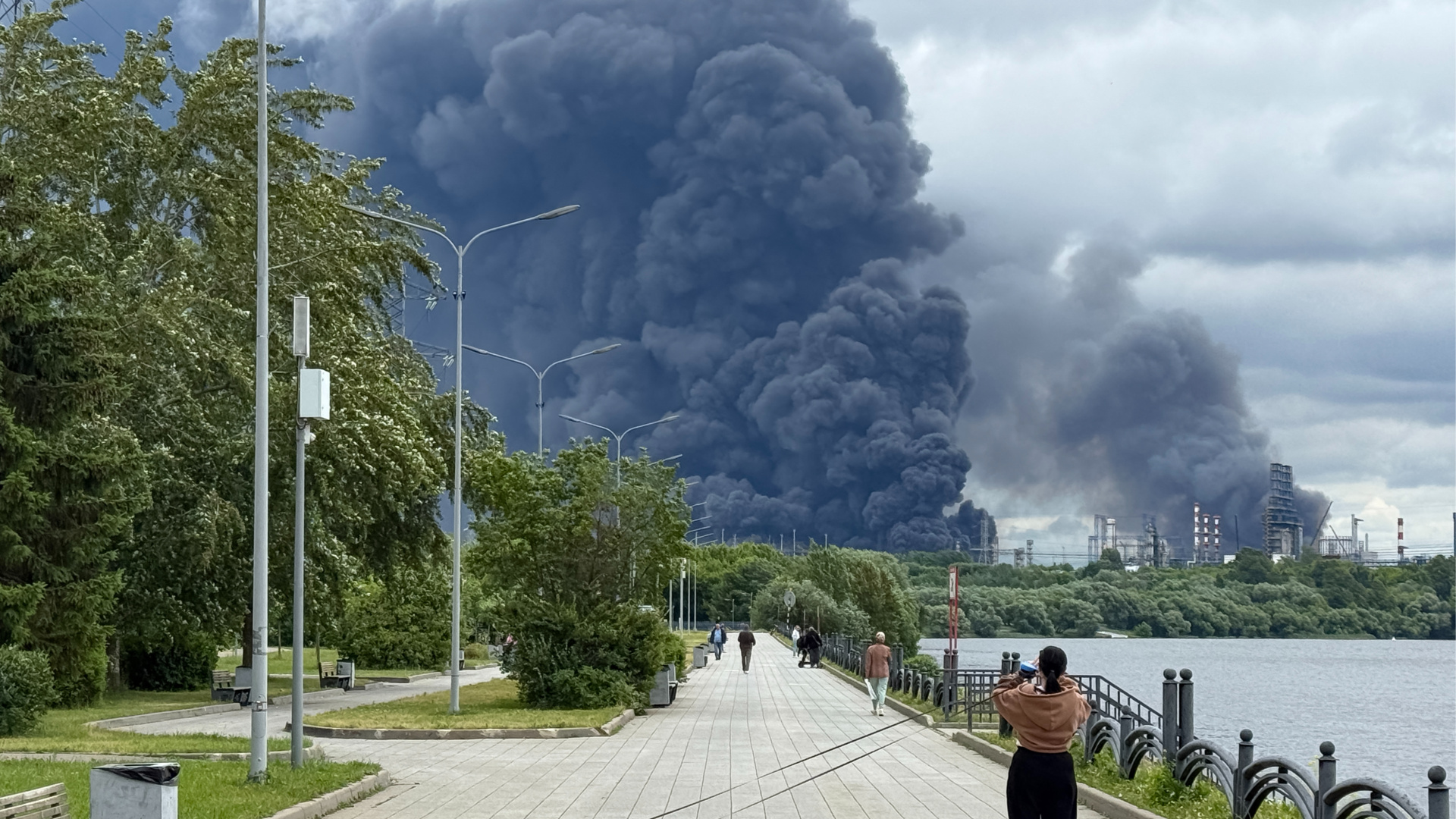
- Potential targets for NATO's strikes extend beyond airfields and military bases to include industrial facilities, critical infrastructure, and raw material resources supporting Russia's war effort.
- Precision weapons are central to NATO's approach, including established systems like Tomahawk cruise missiles and ATACMS ballistic missiles, with ongoing projects to develop inexpensive cruise missiles.
- Nico Lange, a former senior German Defense Ministry official, noted a gap between military plans incorporating offensive action and political views that equate defense primarily with barriers or a drone wall.
NATO is developing a comprehensive defense strategy that includes potential strikes deep within Russia, aimed at deterring aggression against alliance territories. This plan, spearheaded by U.S. Gen. Alexus Grynkewich, is informed by the ongoing conflict in Ukraine, emphasizing the need to disrupt Russia's military infrastructure.1
The strategy envisions attacks targeting military bases, supply networks, and industrial facilities that support Russian military operations. Polish Maj. Gen. Ireneusz Nowak stated, "In the event of a conflict with Russia, we would certainly want to strike its military-industrial base," highlighting the importance of precision strikes as a deterrent.9
The proposed strikes could extend up to 150 kilometers (93 miles) or more behind the front lines, utilizing precision missiles and cost-effective drones. Grynkewich described this approach at a security conference in Warsaw as part of his "theory of victory," which aims to first halt initial attacks and then undermine the enemy's operational capabilities.236
The plan also reflects a broader trend, as Ukraine has adopted similar tactics, targeting military and economic sites within Russia using advanced weaponry. Fabian Hoffmann noted that 20 European manufacturers are working on developing inexpensive cruise missiles, indicating a shift towards enhancing offensive capabilities within NATO.
Despite these military advancements, Nico Lange pointed out a disconnect between military strategies that include offensive actions and political perspectives that focus on defensive barriers, suggesting a need for cohesive planning.
“The plan envisions attacks 150 kilometers to thousands of kilometers behind the front lines using precision missiles and drones, targeting industrial facilities and infrastructure. Polish Maj. Gen. Ireneusz Nowak said that if Ukraine had such capability at the war's start, it would not have become positional fighting like World War I.”