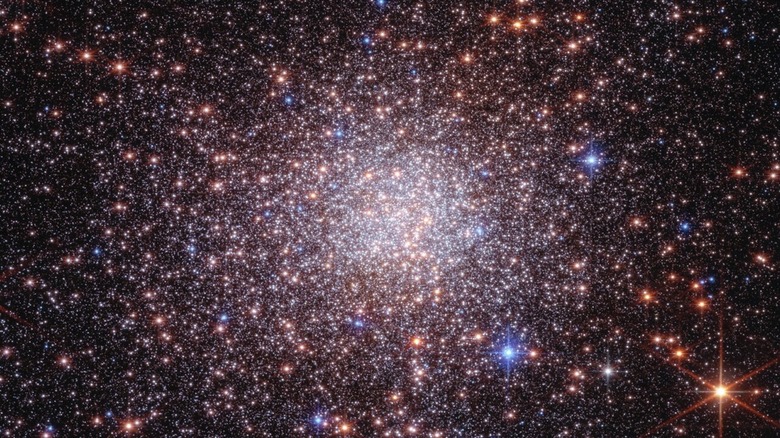
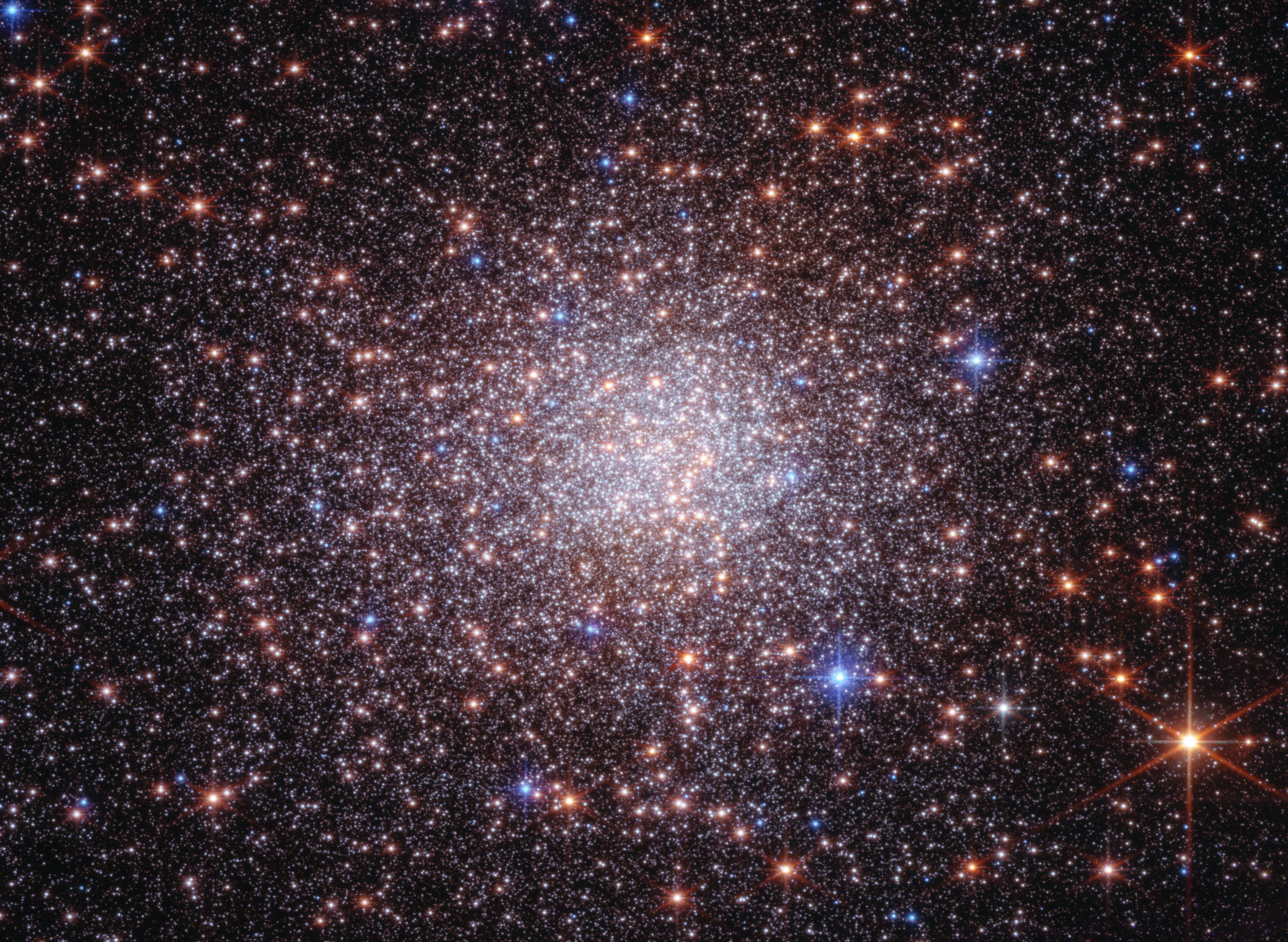
- NASA's Webb and Hubble telescopes have revealed the history of Terzan 5, a bulge fossil fragment of the Milky Way, providing new insights into its formation.
- Researchers found that Terzan 5 contains two older star populations formed 12.5 billion and 4.7 billion years ago.
- Terzan 5 is classified as a bulge fossil fragment because it resembles the primordial clumps that contributed to the formation of the bulge.
- The Webb and Hubble observations indicate that Terzan 5 is a self-contained, self-enriching stellar system with up to four distinct star populations.
- The research also identified two more recent rounds of star formation in Terzan 5, one occurring 3.8 billion years ago and another 2.5 billion years ago.
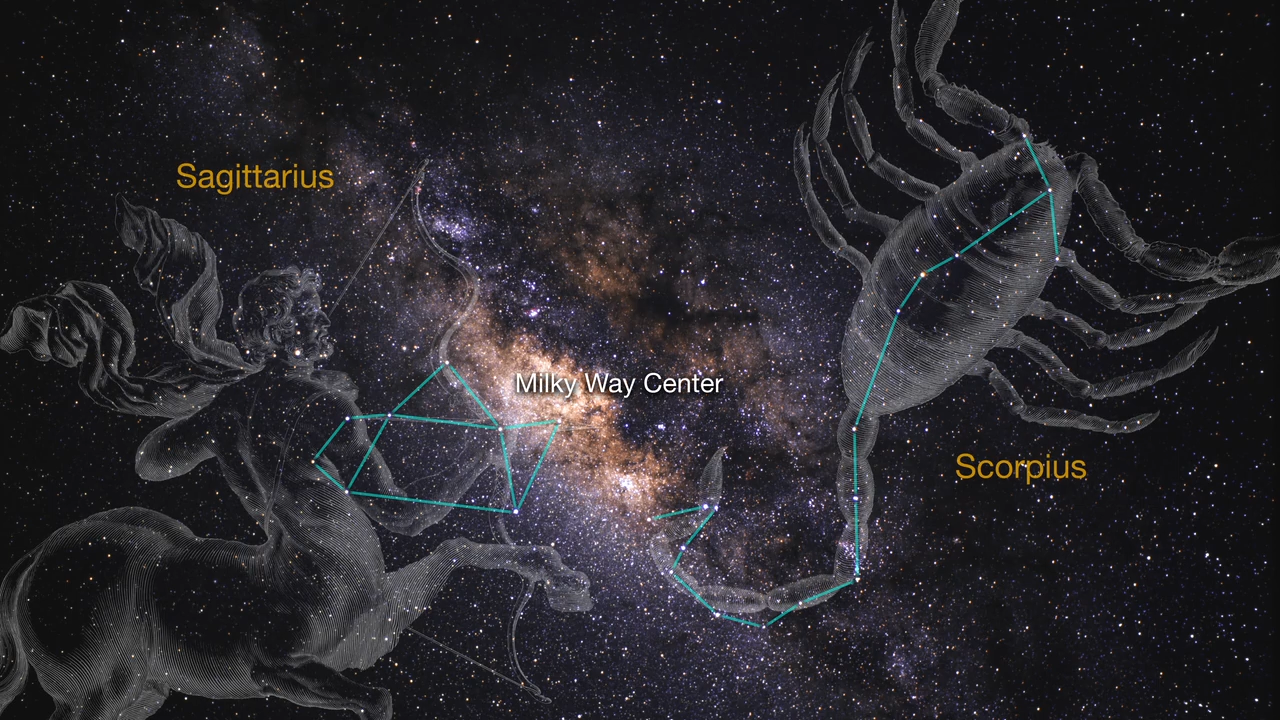
- Terzan 5 orbits within the crowded central region of our Milky Way galaxy known as the bulge.
- The findings from the Webb telescope provide a clearer picture of the history of Terzan 5, according to researcher Giorgia Zullo.
- Francesco R. Ferraro, a professor at the University of Bologna, noted that Terzan 5 formed separately from the bulge and was not destroyed during its formation.
NASA's James Webb and Hubble Space Telescopes have provided groundbreaking insights into Terzan 5, a star cluster within the Milky Way's bulge, revealing it as a bulge fossil fragment that has survived distinct from the bulge itself.136
Researchers found that Terzan 5 contains up to four distinct star populations, with two older groups formed 12.5 billion and 4.7 billion years ago, and two younger populations formed 3.8 billion and 2.5 billion years ago.
“Webb’s new near-infrared observations, cross-referenced with Hubble’s archival observations, have given us a much clearer picture of the history of Terzan 5,” said Giorgia Zullo, a PhD student at the University of Bologna.
The findings suggest that Terzan 5 formed separately from the bulge and was not destroyed during its formation. “For some reason, this peculiar clump of stars formed separately from the bulge and was not destroyed as the bulge itself formed,” explained Francesco R. Ferraro, principal investigator of the Webb observations.8
This research enhances our understanding of how galaxies like the Milky Way evolve over time, indicating that early galaxies had huge discs of gas that fragmented into clumps to form stars.
The study underscores Terzan 5's significance as a self-contained, self-enriching stellar system that offers a glimpse into the Milky Way's formative years.
“New observations from NASA's Webb and Hubble telescopes confirm Terzan 5 as a bulge fossil fragment, revealing its complex history. Researchers identified multiple star populations, including those formed 12.5 billion and 4.7 billion years ago.”
