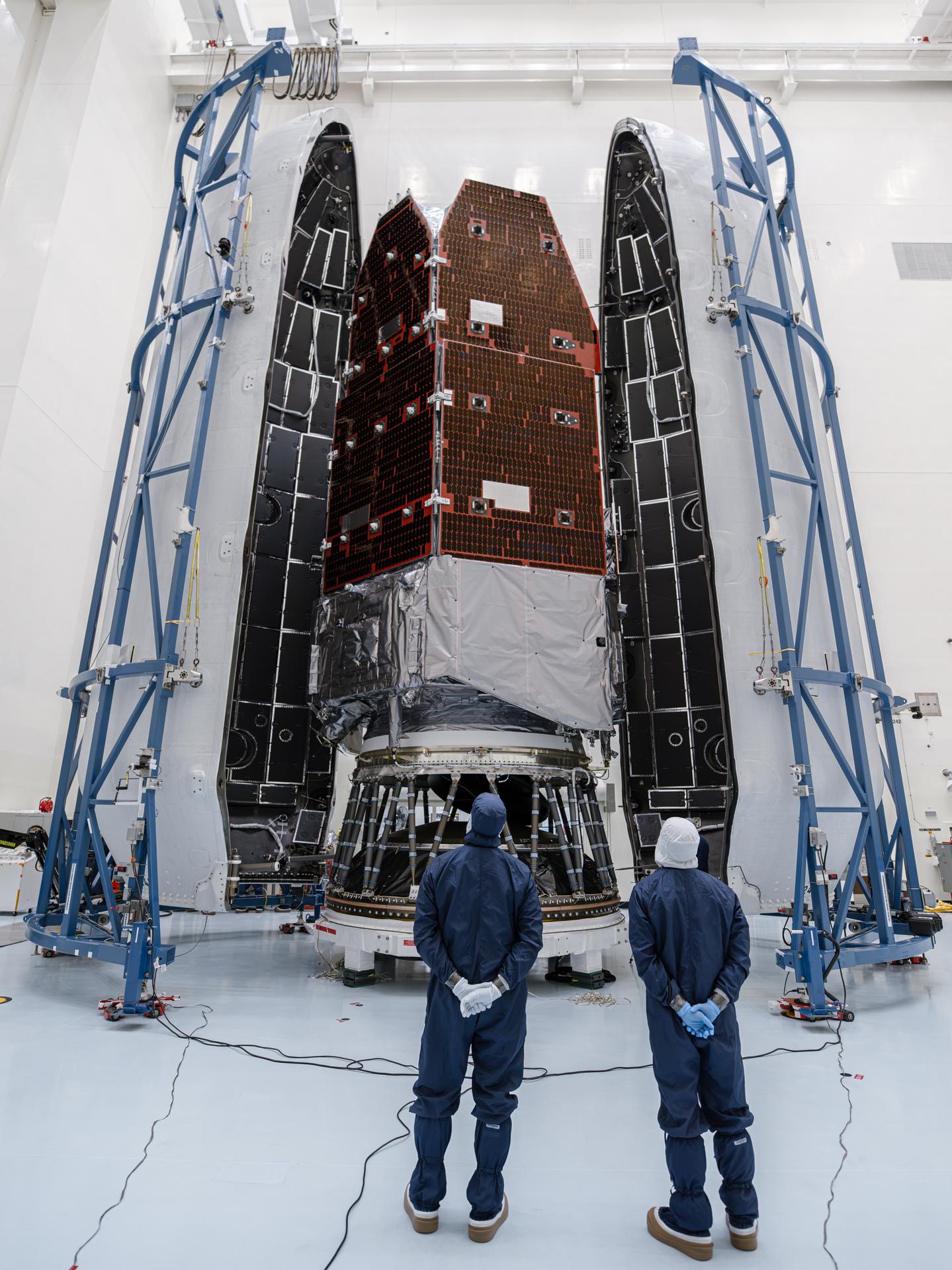
- NASA's Roman Space Telescope has been encapsulated inside the SpaceX Falcon Heavy rocket's fairing, with a launch targeted for 7:26 a.m. EDT on August 30, 2026, which is nine months ahead of the previous schedule.
- On August 21, the Flight Readiness Review was completed, formally clearing the observatory for final launch preparations.
- The fairing-enclosed observatory was transported to SpaceX's hangar at LC-39A for mating to the Falcon Heavy stack on August 24.
- On July 25, the telescope was loaded with 290 gallons of hydrazine propellant, marking a key milestone that transitioned it from assembly to launch-ready status.
- A full dress rehearsal of launch-day procedures was conducted on August 20, ensuring all systems are ready for the upcoming launch.
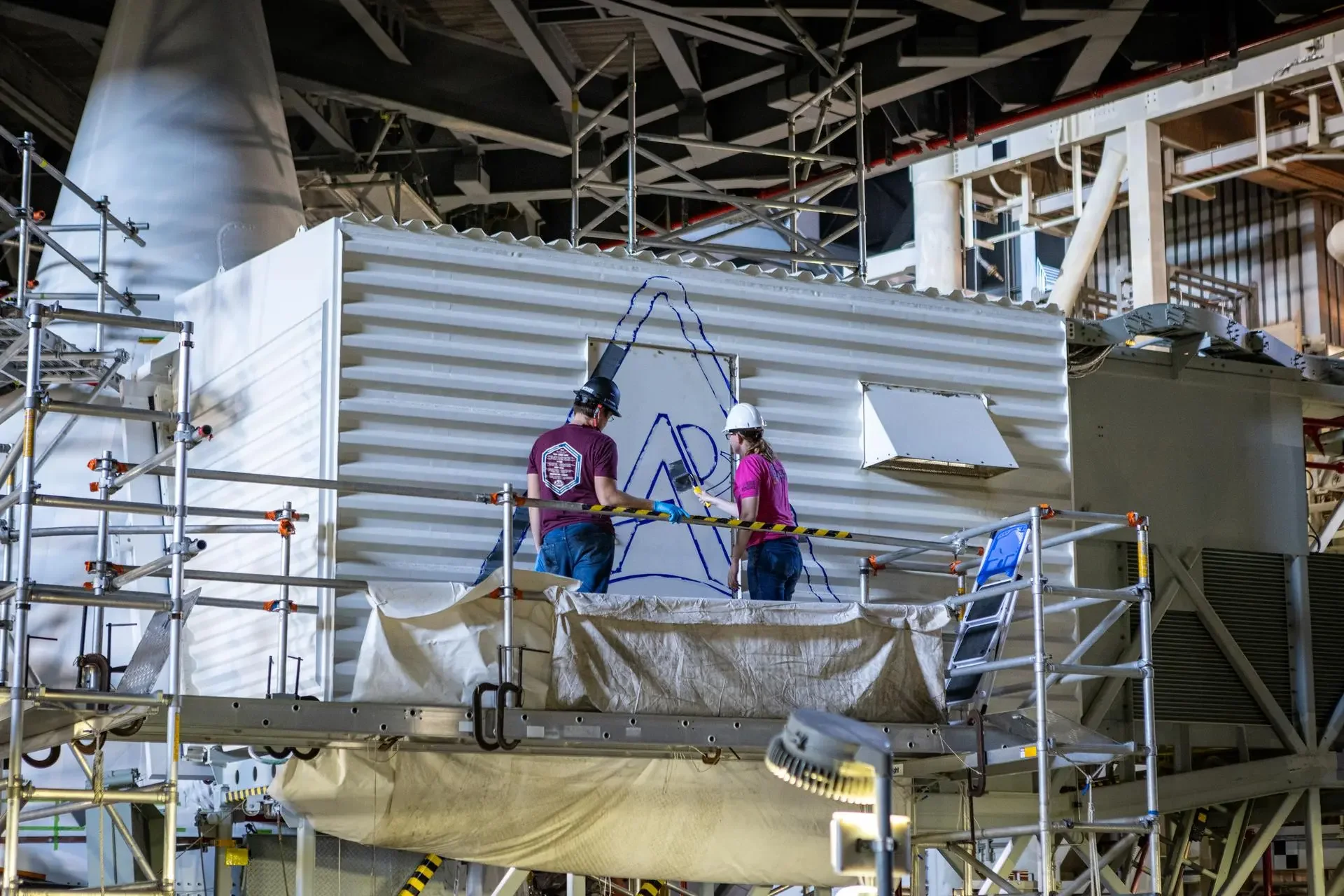
NASA's Roman Space Telescope has reached a significant milestone as it was encapsulated in a SpaceX Falcon Heavy fairing on August 21, with a launch now targeted for August 30, nine months ahead of its original schedule of May 2027. This achievement is notable for a flagship NASA science mission of this scale.123
The 43-foot-tall fairing protects the telescope during ascent, shielding it from acoustic vibrations, aerodynamic pressure, and heating as it travels through Earth's atmosphere. Once conditions are safe, the fairing will separate, allowing the telescope to continue its journey to the Sun-Earth L2 Lagrange point, approximately 1.5 million kilometers from Earth, the same location as the James Webb Space Telescope.
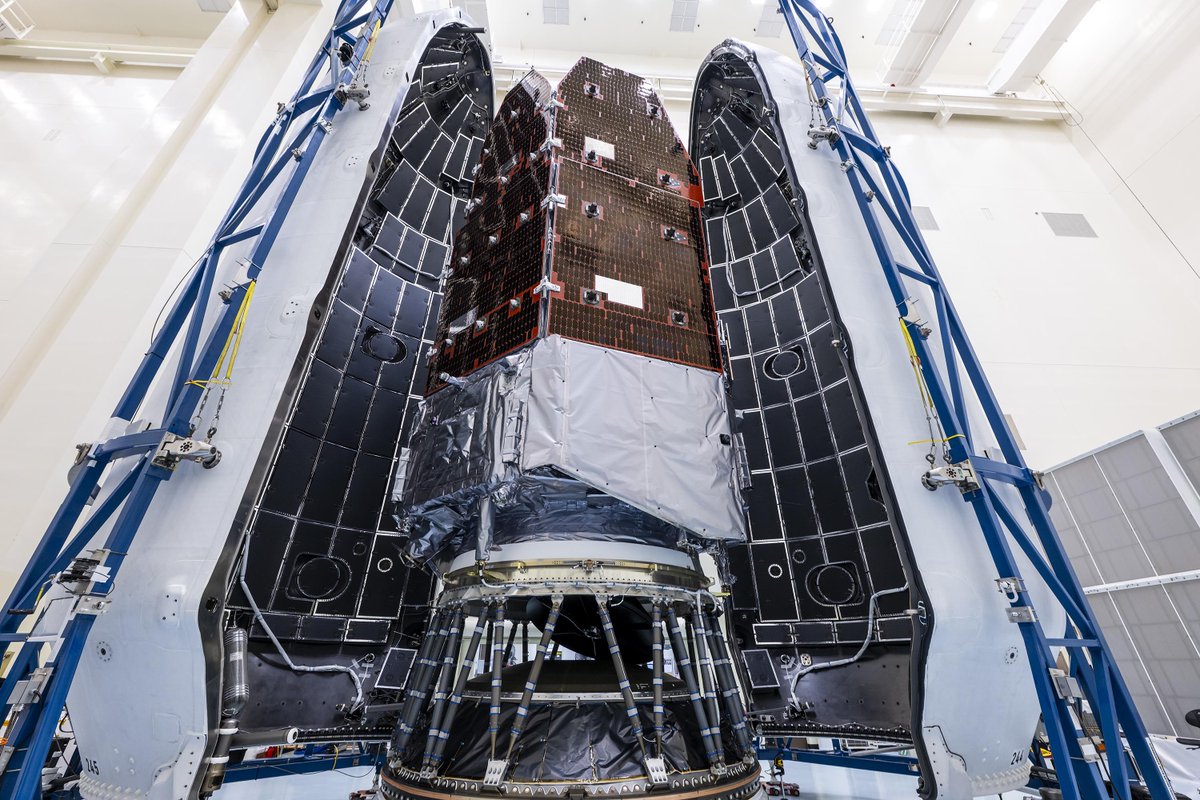
NASA and SpaceX completed a Flight Readiness Review on August 21, clearing the observatory for final preparations. The telescope was loaded with 290 gallons of hydrazine propellant on July 25, marking its transition to launch-ready status. A full dress rehearsal was conducted on August 20, ensuring all systems are go for the upcoming launch.56
SpaceX was awarded the launch services contract in 2022, valued at approximately $255 million, part of the mission's total lifecycle cost of $4.3 billion. A backup launch opportunity is available on August 31 at 7:22 a.m. EDT, but weather conditions remain a critical factor for the launch from Launch Complex 39A.
“The telescope was loaded with 290 gallons of hydrazine propellant on July 25, marking its transition to launch-ready status. The $4.3 billion mission, with a five-year primary science phase, will study dark energy, dark matter, and exoplanets from Sun-Earth L2.”
 BASENOR - Tesla Accessories