
- NASA engineers successfully extended the operational life of the iconic Voyager 2 spacecraft through a carefully orchestrated power-saving procedure, raising new hopes that the legendary probe may continue exploring interstellar space well into the 2030s.
- To free up power on Voyager 2, JPL engineers engaged in an effort dubbed the “Big Bang,” which involved simultaneous shutdowns of some of the devices on board the spacecraft and reallocating lower-power alternatives.
- The operation preserved three instruments: the Triaxial Fluxgate Magnetometer (MAG), Plasma Wave Subsystem (PWS), and Cosmic Ray Subsystem (CRS), and postponed CRS shutdown by at least a year.
- Engineers plan to perform a similar operation on Voyager 1, which is currently even farther away than Voyager 2.
- If successful, both probes could reach their 50th anniversary in 2027 and continue returning data into the 2030s.
- Voyager 2 launched more than 46 years ago, making it part of the longest-running NASA missions.
- In 2023-2024, engineers raided backup power originally reserved for voltage regulation, a calculated bet that a spacecraft with nearly five decades of stable operation probably wouldn’t see a voltage spike.
NASA's recent power-saving operation, dubbed 'Big Bang,' has successfully extended the Voyager 2 mission, preserving three critical instruments: the Triaxial Fluxgate Magnetometer (MAG), Plasma Wave Subsystem (PWS), and Cosmic Ray Subsystem (CRS).6
CRS had been scheduled for shutdown before the end of 2026, but the operation has postponed this by at least a year.3
Engineers executed a complex 17-hour command sequence, swapping two heaters and a device for lower-power alternatives to conserve energy.4
Every year, an average of four watts of power is lost as the spacecraft's plutonium supplies deplete, making this operation crucial for the probe's longevity.
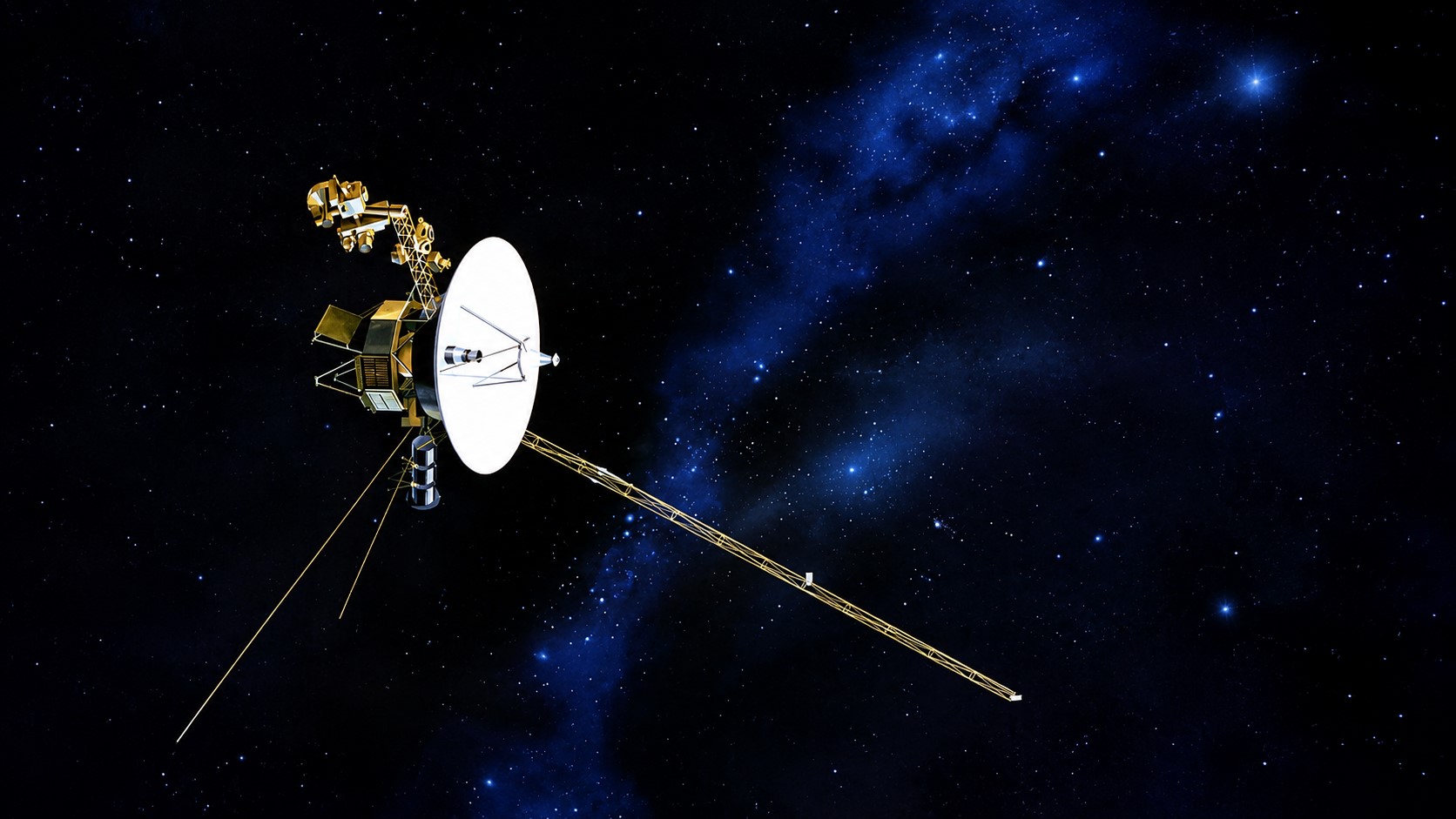
The Voyager team aims to keep the spacecraft operational into the 2030s, continuing to return valuable scientific data, provided they maintain contact with NASA's Deep Space Network.
Launched over 46 years ago, Voyager 2 is part of the longest-running missions in NASA history, and if both probes survive their respective procedures, they could reach their 50th anniversary in 2027 still returning multi-instrument interstellar data.5
JPL engineers are also planning a similar operation for Voyager 1, which is currently even farther from Earth.2
As reported, every watt saved on Voyager is a permanent decision, emphasizing the critical nature of these power-saving measures.
“The operation involved a simultaneous heater swap across 17 hours of signal travel time, with Voyager 2's power supply down to 57% of its 1977 output. Engineers plan a similar reconfiguration for Voyager 1, which lost its LECP instrument to an unexpected power drop in April.”
 The Debrief
 Gadget Review



