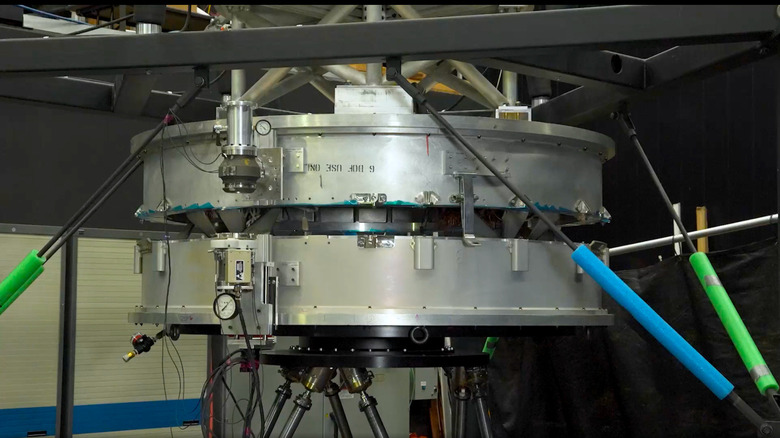
- Nasa has tested an in-orbit refueling device for deep space missions, marking a significant step towards future space exploration.
- The cryocoupler, developed by L3Harris, will facilitate refueling in orbit, allowing spacecraft to refill their fuel reserves without returning to Earth.
- Travis Belcher, project manager at the Marshall Space Flight Center, stated that in-orbit cryogenic refueling between two spacecraft has yet to be done and remains one of the toughest engineering challenges in spaceflight.
- NASA's initial tests of the cryocoupler have been successful, with the system passing tests under imperfect docking scenarios to simulate real conditions.
- The cryocoupler acts as a unique automatic fueling nozzle, allowing rockets or deep-space probes to dock with an orbiting fuel station.
- The cryocoupler is designed to work with cryogenic propellants such as liquid hydrogen and liquid oxygen, essential for deep space missions.
- NASA plans to adapt the cryocoupler technology for the return-to-the-Moon program and future expeditions to Mars.
- The testing involved running liquid nitrogen at negative 321 degrees Fahrenheit through the coupler to analyze its performance.
NASA is advancing its efforts in space exploration by testing a cryocoupler developed by L3Harris, aimed at enabling in-orbit refueling of spacecraft.12
This technology is crucial as it allows rockets and deep-space probes to dock with orbiting fuel stations, refueling with cryogenic propellants like liquid hydrogen and liquid oxygen.6
Project manager Travis Belcher highlighted the significance of this development, stating, “in-orbit cryogenic refueling between two spacecraft has yet to be done and remains one of the toughest engineering challenges in spaceflight.”3
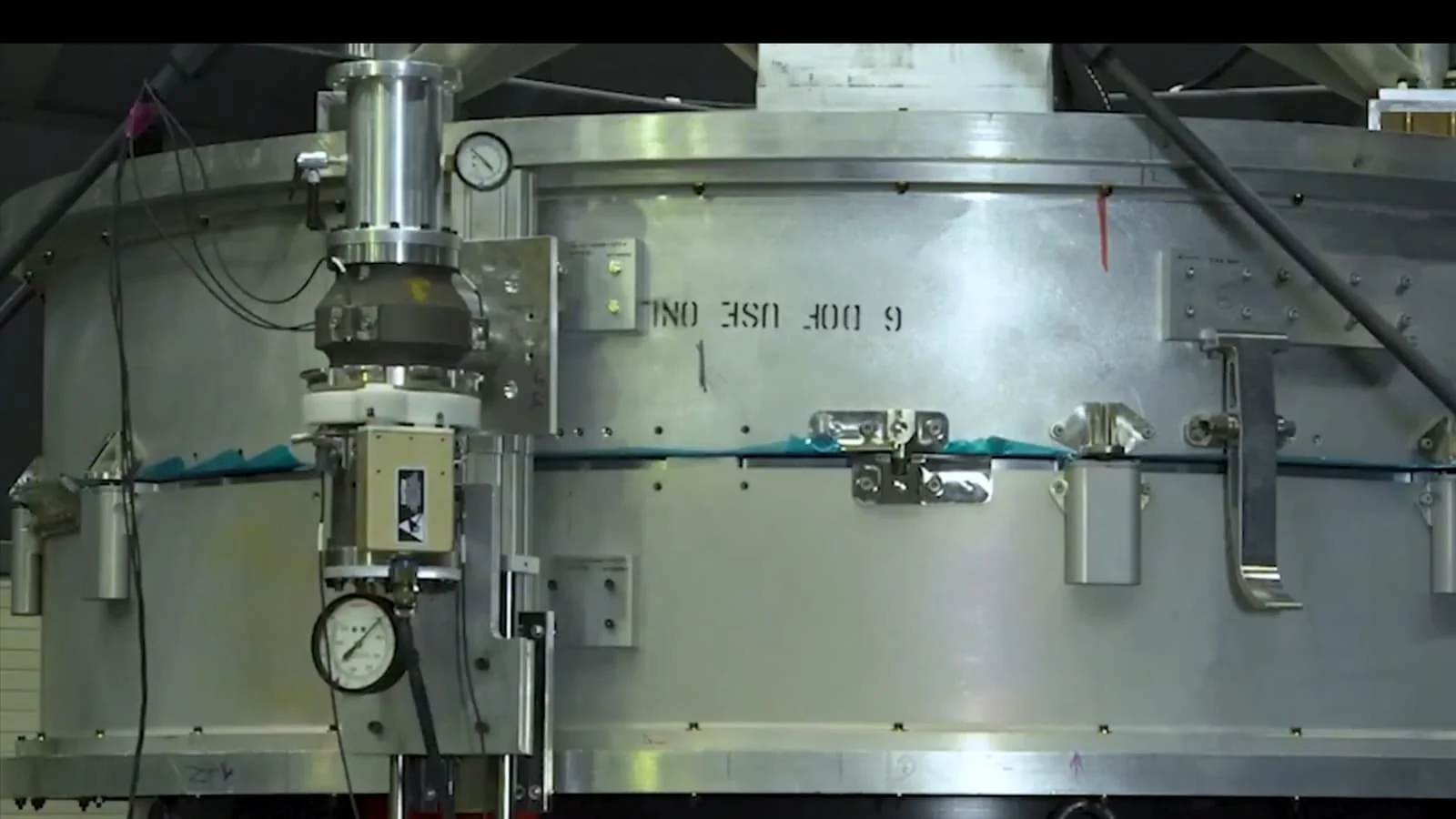
The testing involved running liquid nitrogen at -321 degrees Fahrenheit through the coupler in various configurations, simulating real-world docking scenarios.8
Belcher's team successfully tested the coupler's performance, demonstrating its ability to attach and detach multiple times without requiring astronauts to perform spacewalks.
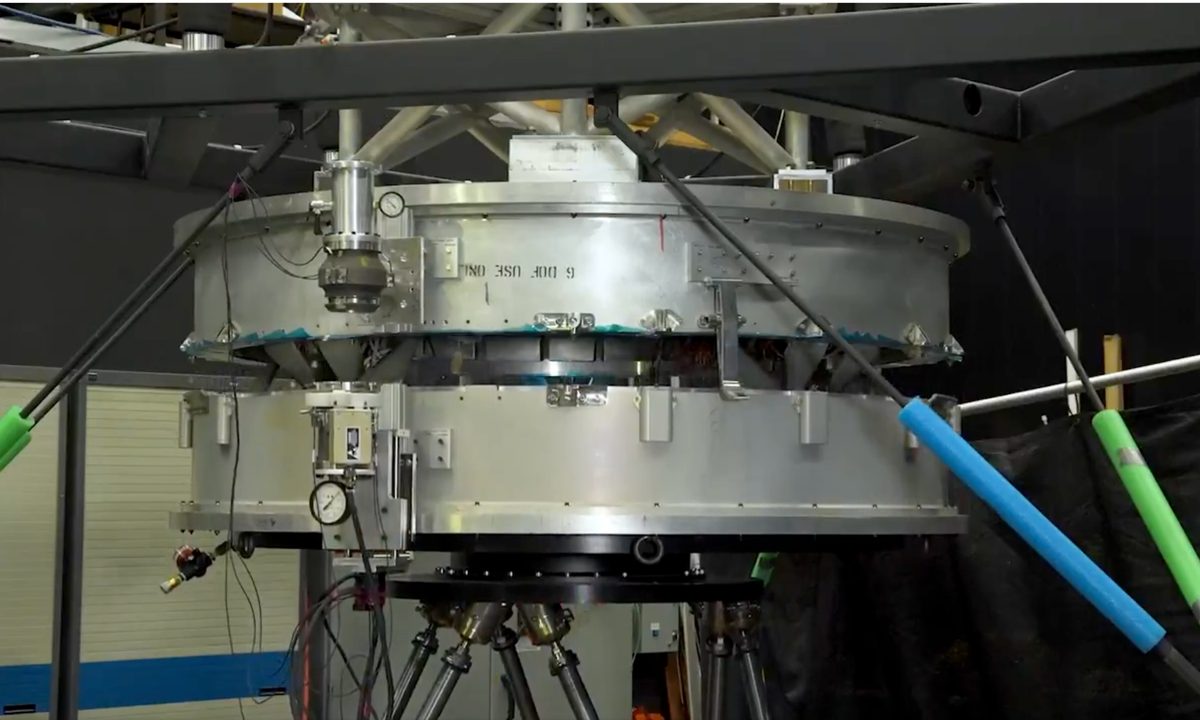
This fully automated system could significantly reduce spacecraft dependence on Earth, allowing for more efficient missions to the Moon and Mars.
As noted, “the encouraging part, however, is that this coupler is fully automated with no needed.”
NASA's future plans include adapting this technology for its return-to-the-Moon program and upcoming expeditions to Mars.7
“NASA has successfully tested a cryocoupler designed for in-orbit refueling, a critical step for future deep space missions. This fully automated device could enable spacecraft to refuel in orbit, reducing their dependence on Earth.”
 Digital Trends



