- Nasa and Katalyst Space cancelled the rescue mission for the Swift observatory after the Link spacecraft encountered irredeemable technical issues in space.
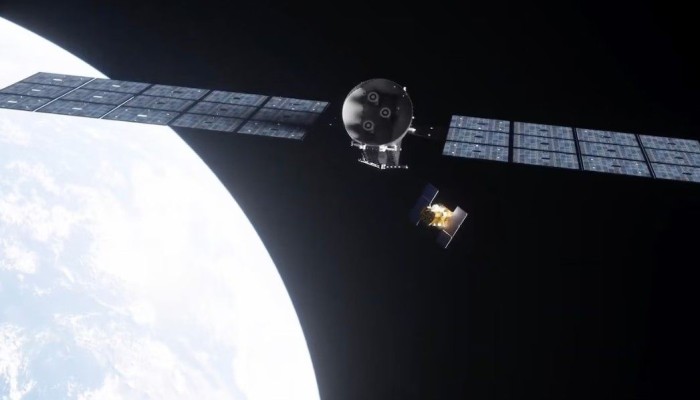
- Katalyst's Link craft was launched in early July to approach the Swift observatory, located 347km (216 miles) in space.
- After ongoing assessments, Katalyst Space and Nasa determined that attitude control issues would prevent the mission's success.
- The mission failure indicates that the Swift Observatory, valued at US$500 million, is likely to fall into Earth's atmosphere later this year.
NASA and Katalyst Space Technologies have officially canceled the Swift rescue mission due to irredeemable technical issues with the Link spacecraft, which was intended to boost the aging Neil Gehrels Swift Observatory to a higher orbit.134
The Link craft, launched in early July, was designed to grapple the Swift observatory, located approximately 347 km (216 miles) above Earth, and elevate it to around 600 km (373 miles). However, ongoing attitude control issues have rendered the mission impossible, as confirmed by both Katalyst Space and NASA.2
The cancellation means that the US$500 million Swift Observatory, operational since 2004 and known for its studies of gamma-ray bursts and other cosmic phenomena, is expected to reenter the atmosphere and burn up later this year.
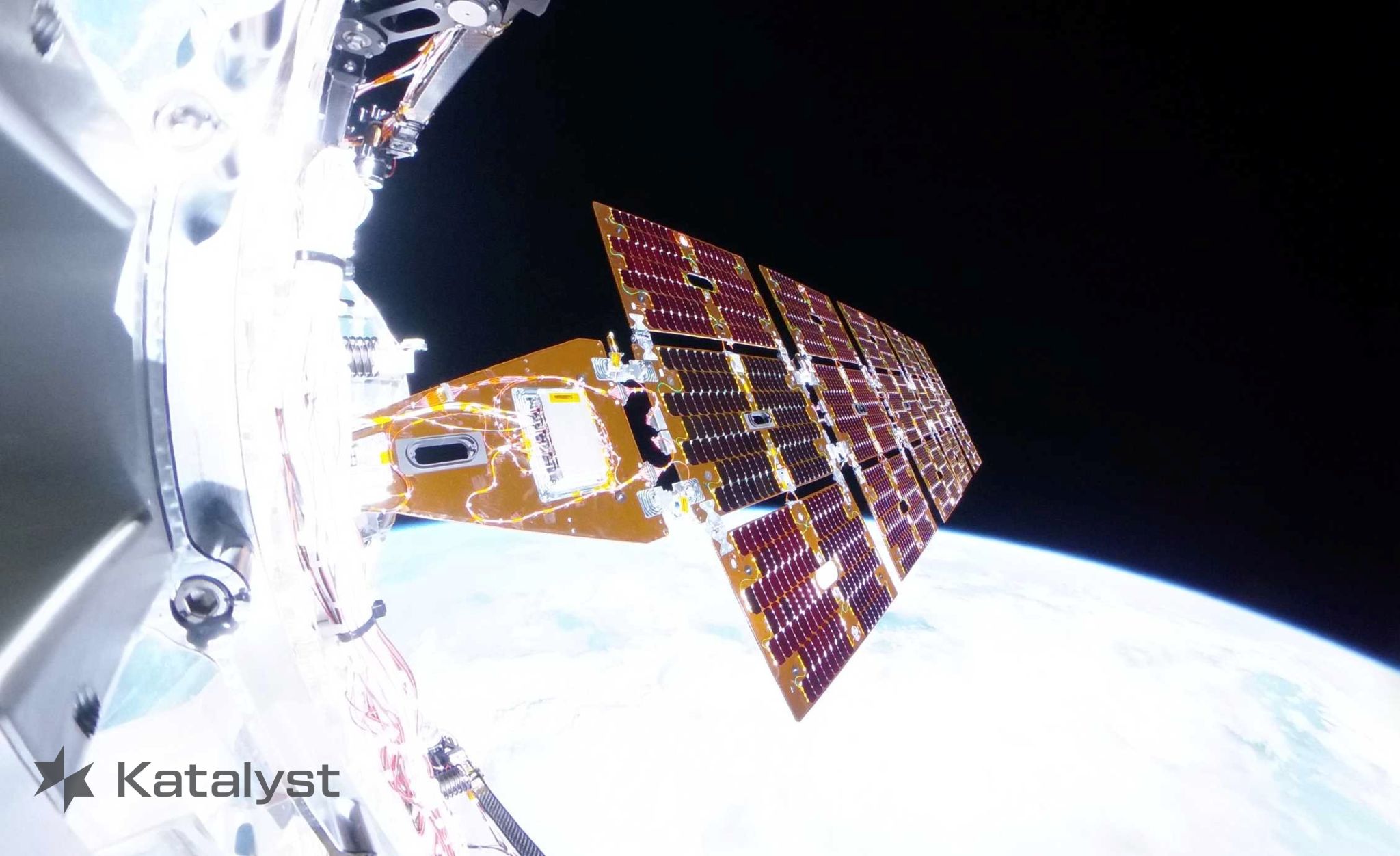
Katalyst Space, which received a $30 million contract from NASA less than a year ago for this mission, expressed disappointment over the outcome. NASA Administrator Jared Isaacman stated, 'This is not the outcome we were working toward, but it does not change why this mission was worth attempting.'
The mission's failure highlights the challenges of space operations, as Swift is now falling out of orbit and will likely be lost to the atmosphere.
As Domagal-Goldman noted, 'We were all hoping for more science from Swift.'
“The mission's failure means NASA's $500 million Neil Gehrels Swift Observatory, operational since 2004, is expected to reenter Earth's atmosphere later this year. NASA Administrator Jared Isaacman stated, 'This is not the outcome we were working toward, but it does not change why this mission was worth attempting.'”
 South China Morning Post
 Ars Technica