- NASA paid USD 30 million to Katalyst to move Swift to a safer orbit after solar activity caused altitude loss.
- The LINK spacecraft went into an uncontrollable spin a few weeks after launch in early July.
- NASA and Katalyst announced the cancellation of the rescue mission due to ongoing attitude control issues.
- Without intervention, NASA anticipates Swift is likely to re-enter Earth’s atmosphere later this year.
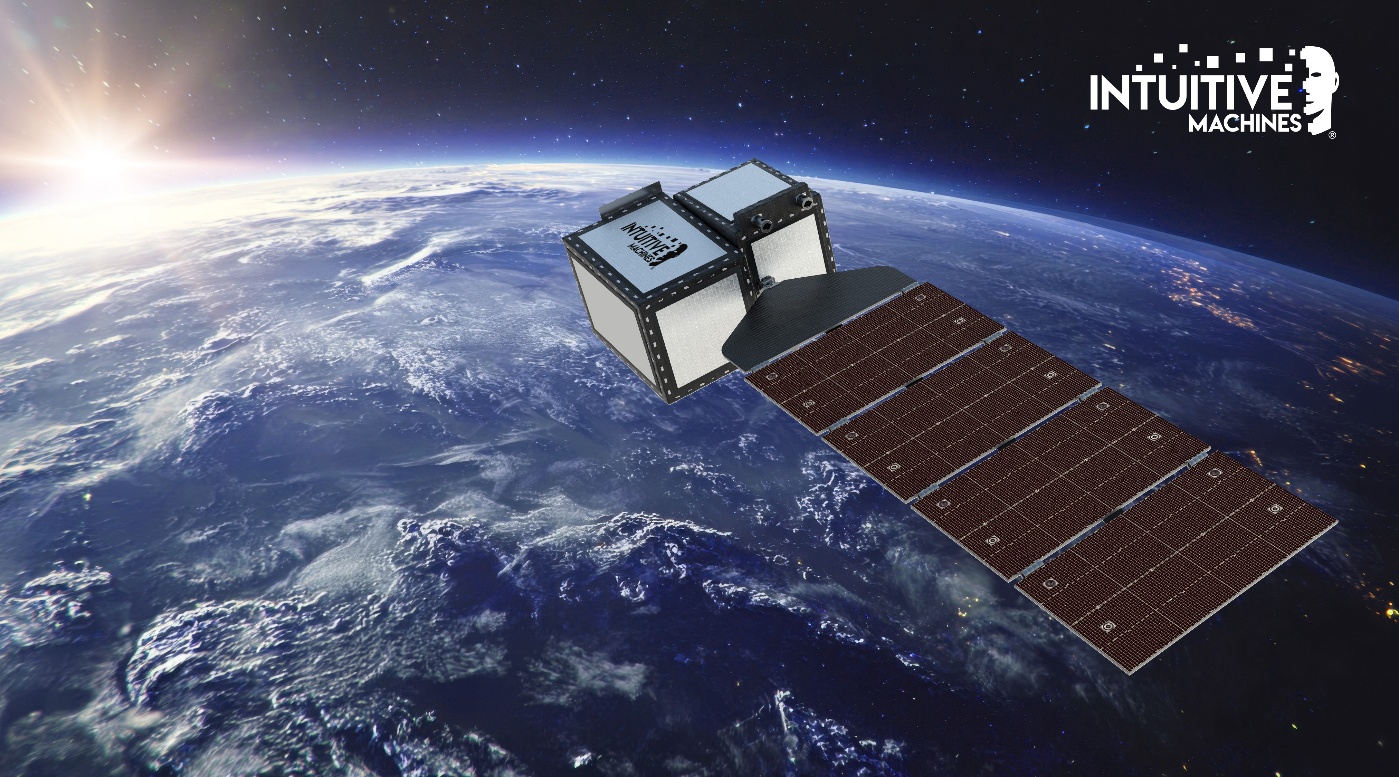
- Katalyst stated that Link will not attempt to capture the telescope and raise it to a higher orbit because of problems in controlling the spacecraft.
- Katalyst Space and NASA have called off a mission to save NASA’s sinking Swift Observatory, leaving the space telescope set for a fiery re-entry later this year.
- The failed mission could also affect future plans for NASA’s Hubble Space Telescope, which had been next in line for a rescue attempt if the Swift operation had succeeded.
- NASA Administrator Jared Isaacman stated that this is not the outcome they were working toward, but it does not change why this mission was worth attempting.
- Katalyst CEO Ghonhee Lee described the mission as ambitious on an aggressive timeline that was put together in under a year.
NASA and Katalyst Space Technologies have officially canceled a mission aimed at rescuing the Swift Observatory, which is now expected to re-enter Earth's atmosphere later this year. The decision follows the LINK spacecraft's inability to maintain control, rendering it incapable of capturing and boosting the observatory to a higher orbit.123456
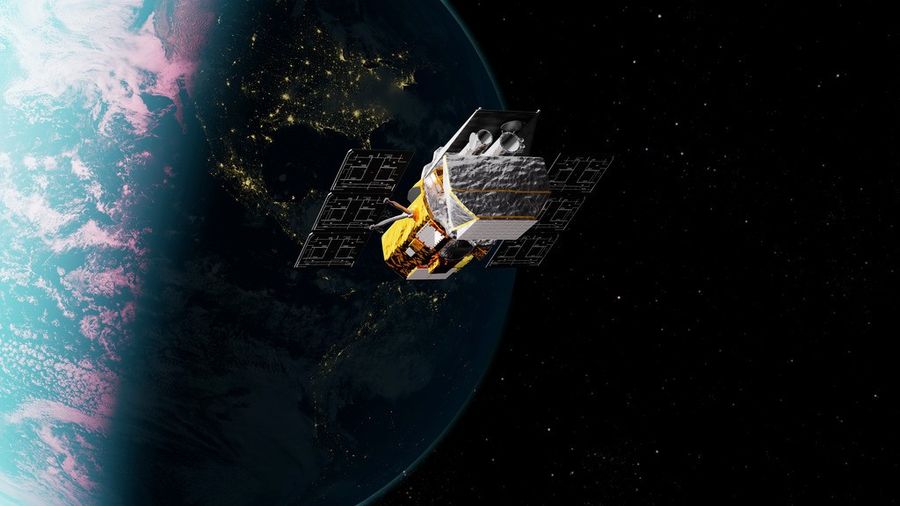
The LINK spacecraft, launched in early July, went into an uncontrollable spin just weeks after its deployment. Katalyst Space stated that the ongoing attitude control issues made it impossible to proceed with the mission. NASA had invested USD 30 million in Katalyst to facilitate the rescue, which was deemed necessary after intense solar activity caused the Swift Observatory to lose altitude more rapidly than anticipated.
NASA Administrator Jared Isaacman expressed disappointment, stating, “This is not the outcome we were working toward, but it does not change why this mission was worth attempting.” The mission was considered ambitious, with Katalyst CEO Ghonhee Lee noting it was assembled in under a year. The failure of this mission could also jeopardize future rescue plans for NASA’s Hubble Space Telescope, which was next in line for a similar operation if Swift's rescue had succeeded.7

Without intervention, NASA anticipates that Swift will likely re-enter the atmosphere later this year, marking a significant loss for the agency's scientific endeavors.
“NASA anticipates that without intervention, the Swift Observatory is likely to re-enter Earth's atmosphere later this year. Katalyst CEO Ghonhee Lee noted that the mission was ambitious and assembled in under a year, but the failure could impact future rescue plans for NASA's Hubble Space Telescope.”
 NASA (.gov)