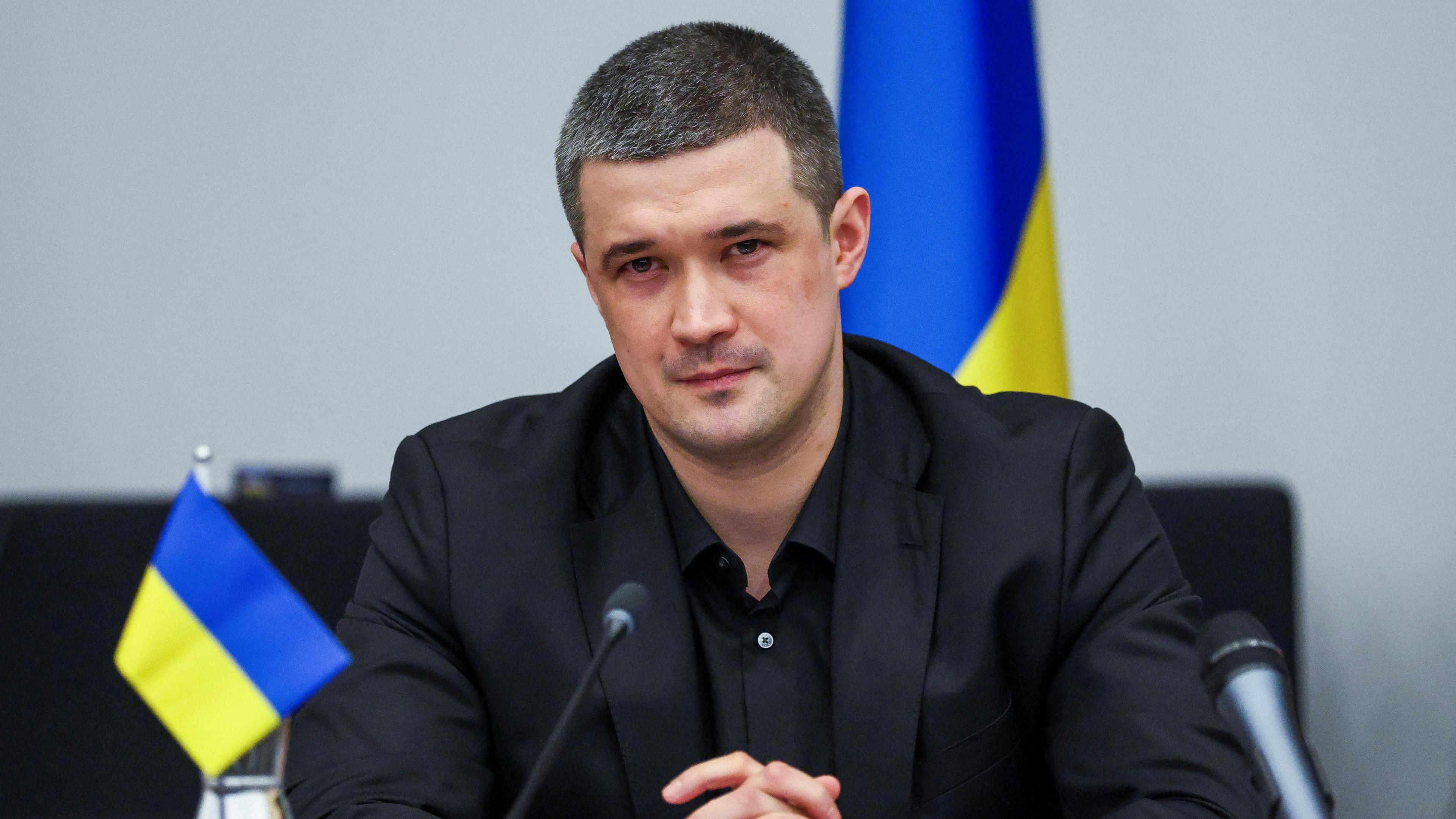
- Mykhailo Fedorov has called for wartime elections, marking a significant challenge to Volodymyr Zelensky's presidency amid ongoing conflict with Russia.
- Fedorov stated, "Democracy cannot be held hostage by Russia," emphasizing the need for a legal and realistic mechanism to restore democratic processes during the war.
- His appeal is the first by a major political figure for elections since the invasion, highlighting a systemic crisis of governance in Ukraine.
- Fedorov criticized corruption in Ukraine, stating it undermines the country's war effort and contributes to a fear of change within the government.
- Zelenskyy’s five-year term is set to end in May 2024, but there is little appetite for elections while the war continues.
- Elections have been suspended in Ukraine since martial law was imposed at the start of the full-scale invasion by Russia.
- Fedorov's address pointed to a systemic crisis in governance, stating that the old system is often scared of change and protects itself.
- Polling indicates that Fedorov would come third in a presidential election, with 13.1% support, behind Zelenskyy and Valerii Zaluzhnyi.
Mykhailo Fedorov, the former Ukrainian defense minister, has called for wartime presidential elections, presenting a significant challenge to President Volodymyr Zelensky amid the ongoing conflict with Russia. In a recent YouTube address, Fedorov stated, “Democracy cannot be held hostage by Russia.”16
He emphasized the necessity for a “legal, safe, and realistic mechanism” to restore Ukraine's democratic process, even during prolonged warfare. Fedorov pointed out a “systemic crisis of governance” in Ukraine, criticizing the current administration for being “scared of change” and often prioritizing personal loyalty over professionalism in appointments.237
Fedorov's appeal is the first of its kind from a major political figure since Russia's full-scale invasion in 2022. He argued that the nation must not remain in a state of uncertainty regarding governance, stating, “People cannot endlessly live in a state where they do not understand why certain decisions are made.”
Polling data indicates that Fedorov would secure approximately 13.1% of the vote in a hypothetical election, trailing behind Zelensky's 22.3% and Valerii Zaluzhnyi's 21.4%. However, the same survey suggests that Zelensky would lose in a runoff against both Fedorov and Zaluzhnyi, indicating a potential shift in public sentiment.8
Elections have been suspended in Ukraine since martial law was enacted at the onset of the invasion, and while Zelensky's term is set to end in May 2024, there is little appetite for elections during wartime.5
“Fedorov emphasized the need for a 'legal, safe, and realistic mechanism' to restore democracy, citing a 'systemic crisis of governance' in Ukraine. Polling indicates he could secure 13.1% of the vote in a presidential election, trailing Zelenskyy and Valerii Zaluzhnyi.”
 The Guardian