- Min Aung Hlaing received a red-carpet treatment on a visit to Thailand on 6 August, part of efforts by Bangkok to push for re-engagement between Myanmar and the regional bloc ASEAN.
- The retired general, who seized power in a 2021 coup, has sought international legitimacy since becoming president in April after an election by an army-backed party.
- During his visit, Thai PM Anutin Charnvirakul officially welcomed Min Aung Hlaing to Government House for bilateral talks, which included discussions on cross-border issues, energy, trade, and peace efforts.
- Sixteen Thai civil society organizations issued a joint statement opposing the visit, urging Thailand to stop legitimizing Myanmar's military leadership.
- The Thai-Myanmar Foundation condemned the visit, citing an Argentine arrest warrant and an ICC prosecutor's request for an arrest warrant against Min Aung Hlaing.
- People's Party deputy leader Rangsiman Rome questioned the government's decision to host Min Aung Hlaing, arguing it risks conferring legitimacy and undermining ASEAN's Five-Point Consensus.
- Min Aung Hlaing's visit follows his trips as president to China, India, and Laos in a quest for recognition as the 11-member ASEAN, which did not endorse Myanmar's election.
- Myanmar's military has been accused by rights groups and some Western governments of atrocities against the civilian population in a conflict that has killed an estimated 100,000 people, allegations that it rejects.
- Thailand's business with Myanmar has suffered since the pandemic and the coup, with civil war impacting border trade and sanctions forcing some Thai firms to rethink or withdraw investments.
BANGKOK — Myanmar's junta leader Min Aung Hlaing visited Thailand, receiving a red-carpet welcome from Prime Minister Anutin Charnvirakul, who defended the engagement as vital for regional stability. Hlaing's visit aims to strengthen ties with ASEAN amid ongoing violence in Myanmar following the 2021 coup.1
Hlaing, who seized power in a military coup, is under Western sanctions and seeks international legitimacy. During his visit, he stated, "Myanmar is on the path of democracy and heading towards a better future," while pledging to pursue peace and economic growth.
However, his visit drew sharp criticism from civil society groups, with sixteen organizations condemning the Thai government's approach. They argue that engaging with Hlaing's administration could prolong conflict and human rights abuses in Myanmar. The coalition urged Thailand to support humanitarian efforts and reject the legitimacy of the military-led government until violence ceases and democracy is restored.
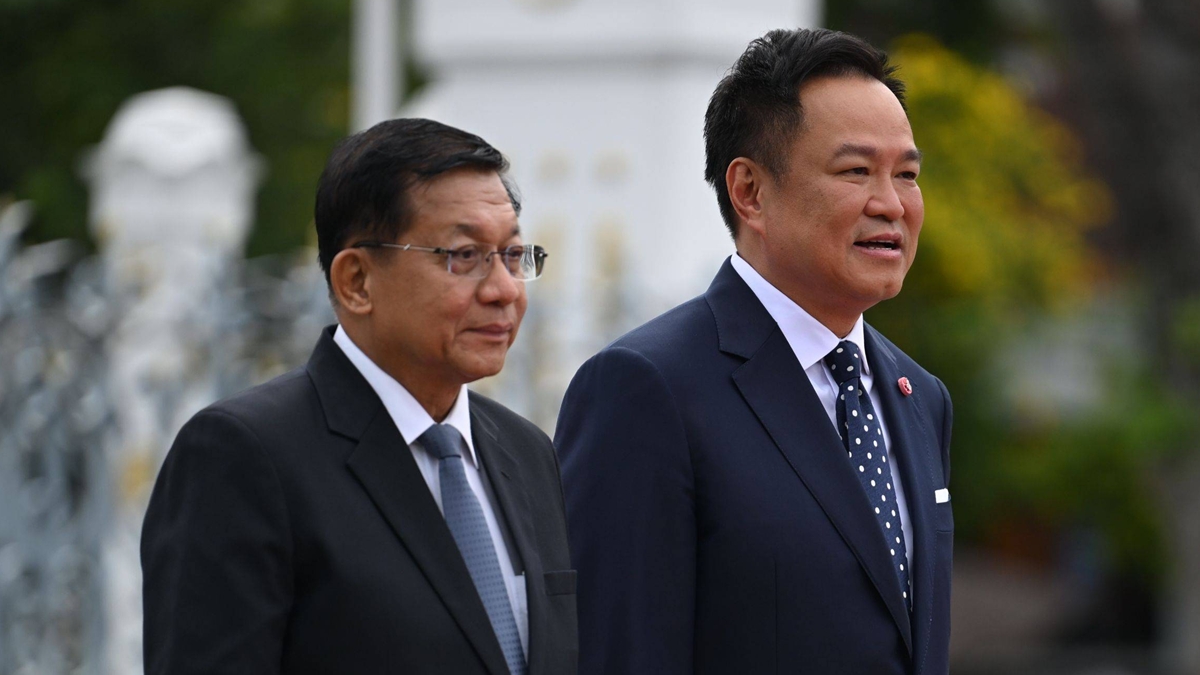
Anutin emphasized that a peaceful Myanmar is crucial for ASEAN unity, stating, "A peaceful and stable Myanmar is not only in Thailand’s interest as a neighboring country, but is also vital to ASEAN unity and regional stability." Despite this, the Thai-Myanmar Foundation criticized the visit, highlighting that real authority in Myanmar remains with ethnic armed organizations, not the military.6
The foundation also noted that over 5,000 people have died since the coup, and Hlaing faces international legal proceedings for alleged crimes against humanity.
As Thailand pursues a policy of “calibrated re-engagement,” experts warn of the risks of legitimizing Hlaing's regime amid ongoing atrocities.
“Sixteen Thai civil society groups urged Bangkok to stop legitimizing Myanmar's military, citing alleged war crimes and an Argentine arrest warrant. The Thai-Myanmar Foundation noted an ICC prosecutor's request for an arrest warrant against Min Aung Hlaing for crimes against humanity.”
 Khaosod English



