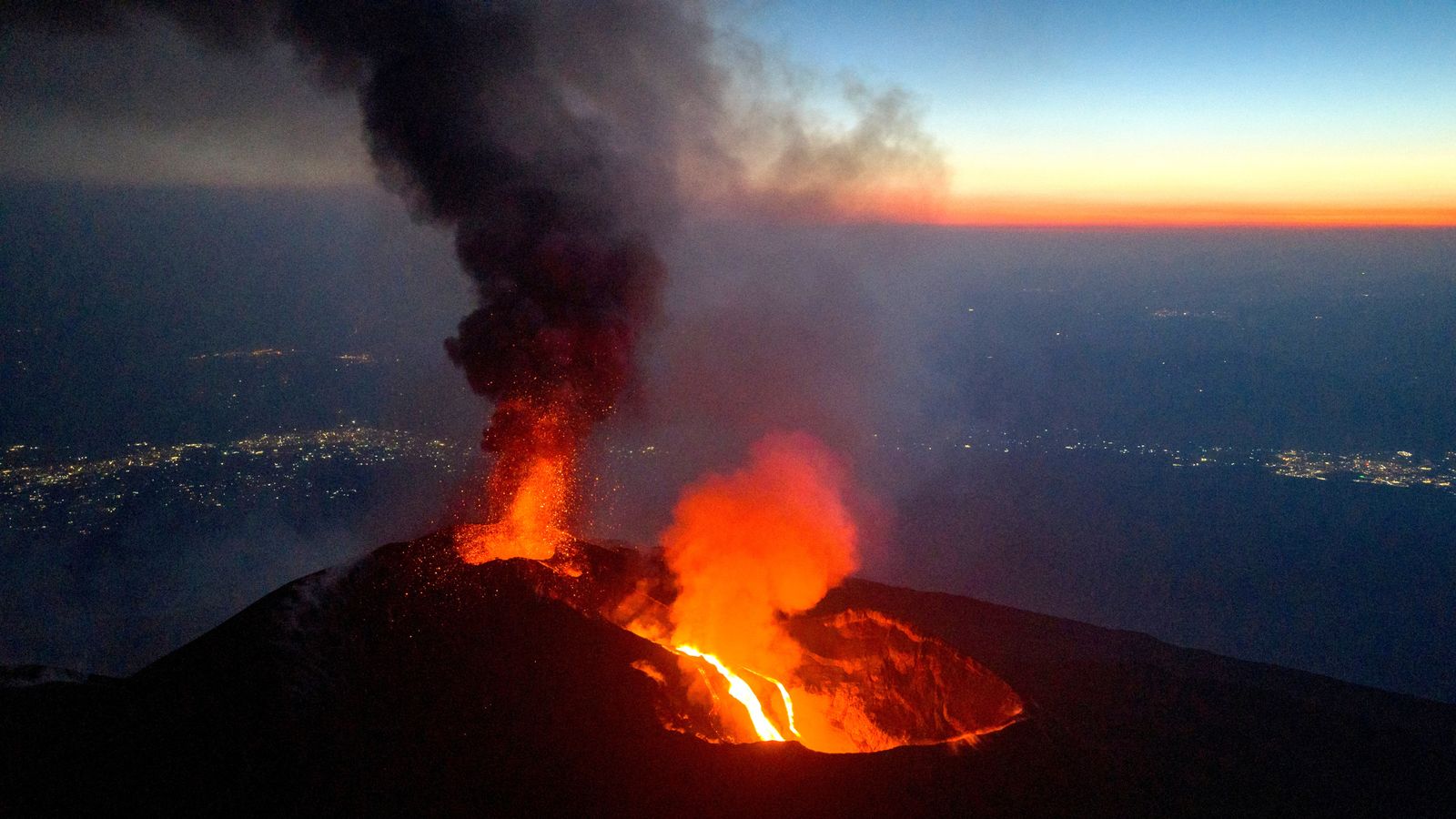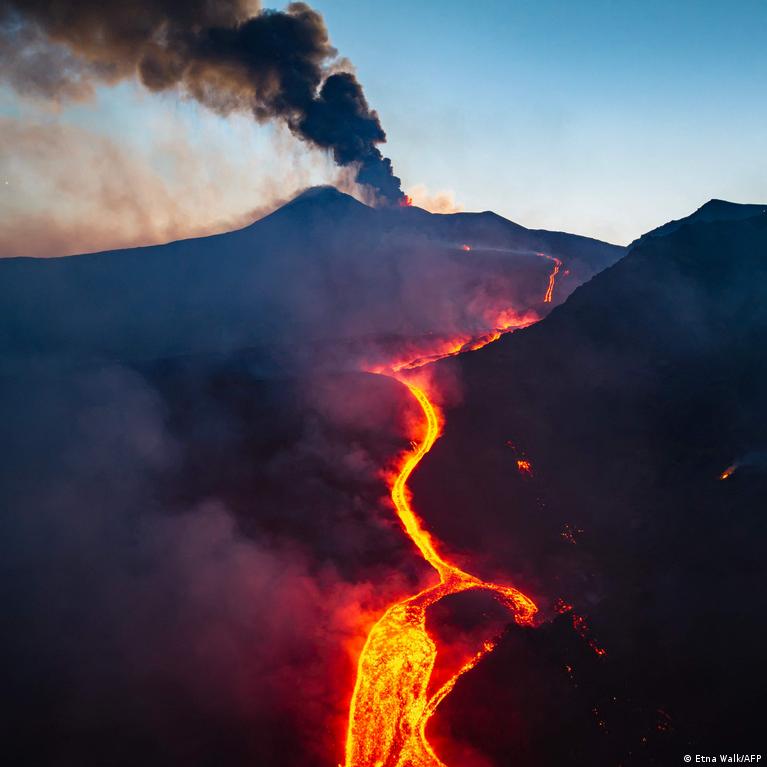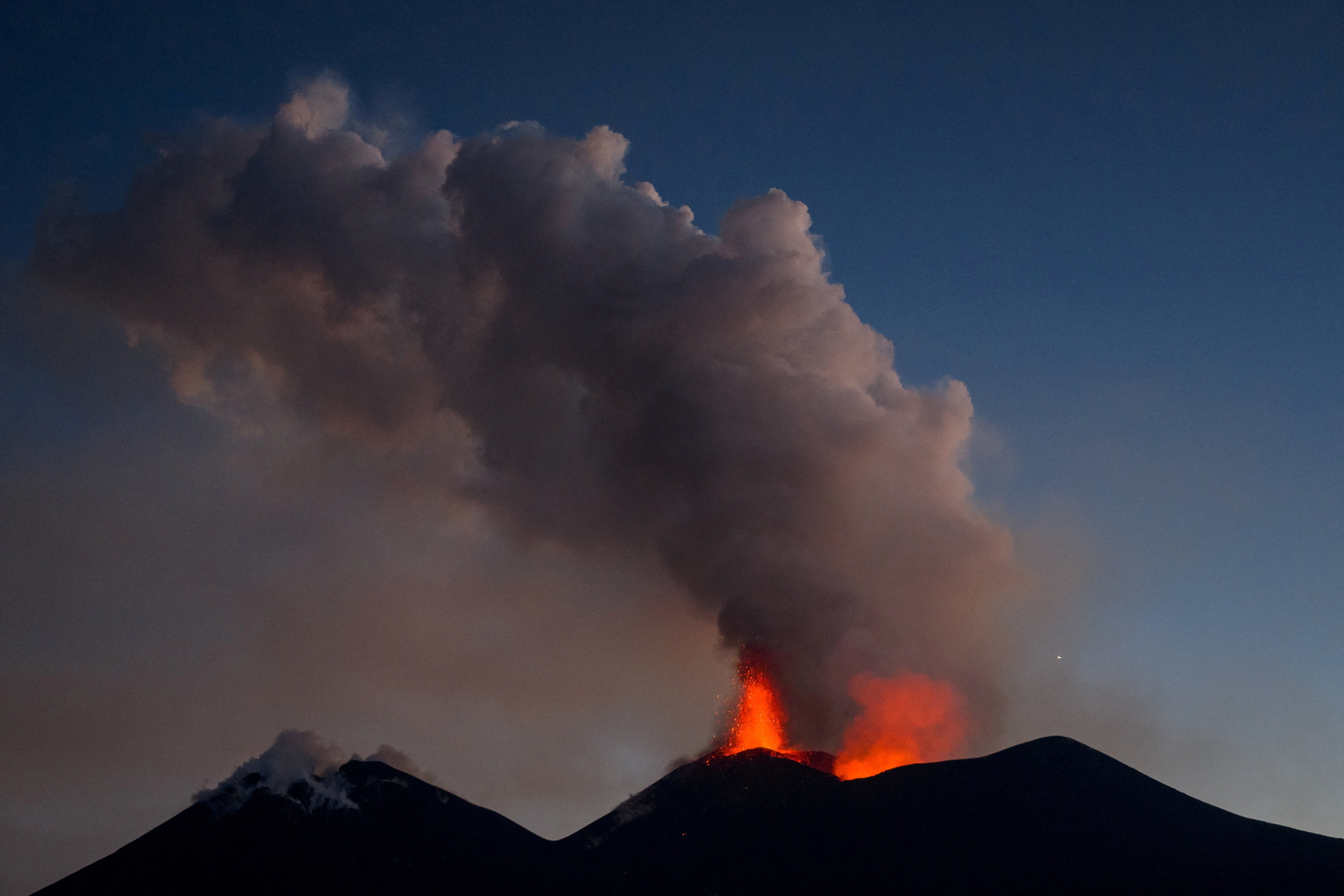
- Mount Etna's ash emissions have forced the closure of Sicily's primary airport for a fifth consecutive day, stranding hundreds of summer holidaymakers during the peak travel week of the year.
- Airport operator SAC reported that 36% of nearly 2,000 flights scheduled to arrive in Catania between 6 and 12 August were cancelled, with over 600 flights diverted.
- Catania airport will remain closed until early Saturday, coinciding with Ferragosto, marking the height of the Italian summer season.
- Departures briefly resumed over the weekend, but the airport was officially closed to both incoming and outgoing flights on Monday.
- Consumer association Codacons announced it will file a complaint with Italy's competition authority over price gouging following complaints regarding increased transportation costs.
- The current closure represents the longest emergency since 2002, as Etna's activity frequently interrupts flights at the airport, situated 30 kilometres (20 miles) south.
- Boris Behncke, a researcher at the National Institute of Geophysics and Volcanology’s Etna Observatory, explained that volcanic ash poses a significant risk for aircraft, as it can be sucked into the motors and force them to stall.
- Etna's recent unrest is unusual for its persistent ash emissions, with northerly winds carrying light amounts of volcanic ash across to Malta and northern Africa.
- Behncke noted that while there have been many shorter interruptions and stronger eruptions over the past few decades, this event is different because the ash emission from Etna’s summit has been much more persistent.
- The closure has forced flights to be rerouted to alternative hubs, pushing up taxi fares and car rental rates, according to Italian daily newspaper Corriere della Sera.
Mount Etna's ongoing ash emissions have led to the closure of Catania's airport for five consecutive days, marking the longest disruption since 2002. The airport is expected to remain closed until early Saturday, coinciding with the Ferragosto holiday, a peak travel time in Italy.310
The closure has stranded hundreds of holidaymakers and forced flights to be rerouted to alternative airports, resulting in increased taxi fares and car rental rates. According to airport operator SAC, 36 percent of nearly 2,000 flights scheduled between August 6 and 12 were canceled, with over 600 flights diverted to Trapani, Comiso, and Lamezia Terme.11
Boris Behncke, a researcher at the National Institute of Geophysics and Volcanology’s Etna Observatory, emphasized the risks of volcanic ash to aircraft, stating, “Volcanic ash can be a great risk for aircraft. It can be sucked into the motors, and force them to stall.” This caution is particularly relevant as the ash emissions from Etna have been unusually persistent, with Behncke noting, “This event is different because the ash emission from Etna’s summit has been much more persistent.”7
Consumer association Codacons has announced plans to file a complaint with Italy’s competition authority due to reports of price gouging amid the disruption. Northerly winds have also carried light amounts of ash to Malta and northern Africa, further complicating the situation.5
“Airport operator SAC reported 36% of nearly 2,000 flights cancelled between 6-12 August, with over 600 diverted to Trapani, Comiso, and Lamezia Terme. Consumer association Codacons will file a complaint with Italy's competition authority over price gouging in taxi and car rental rates.”

 The Independent