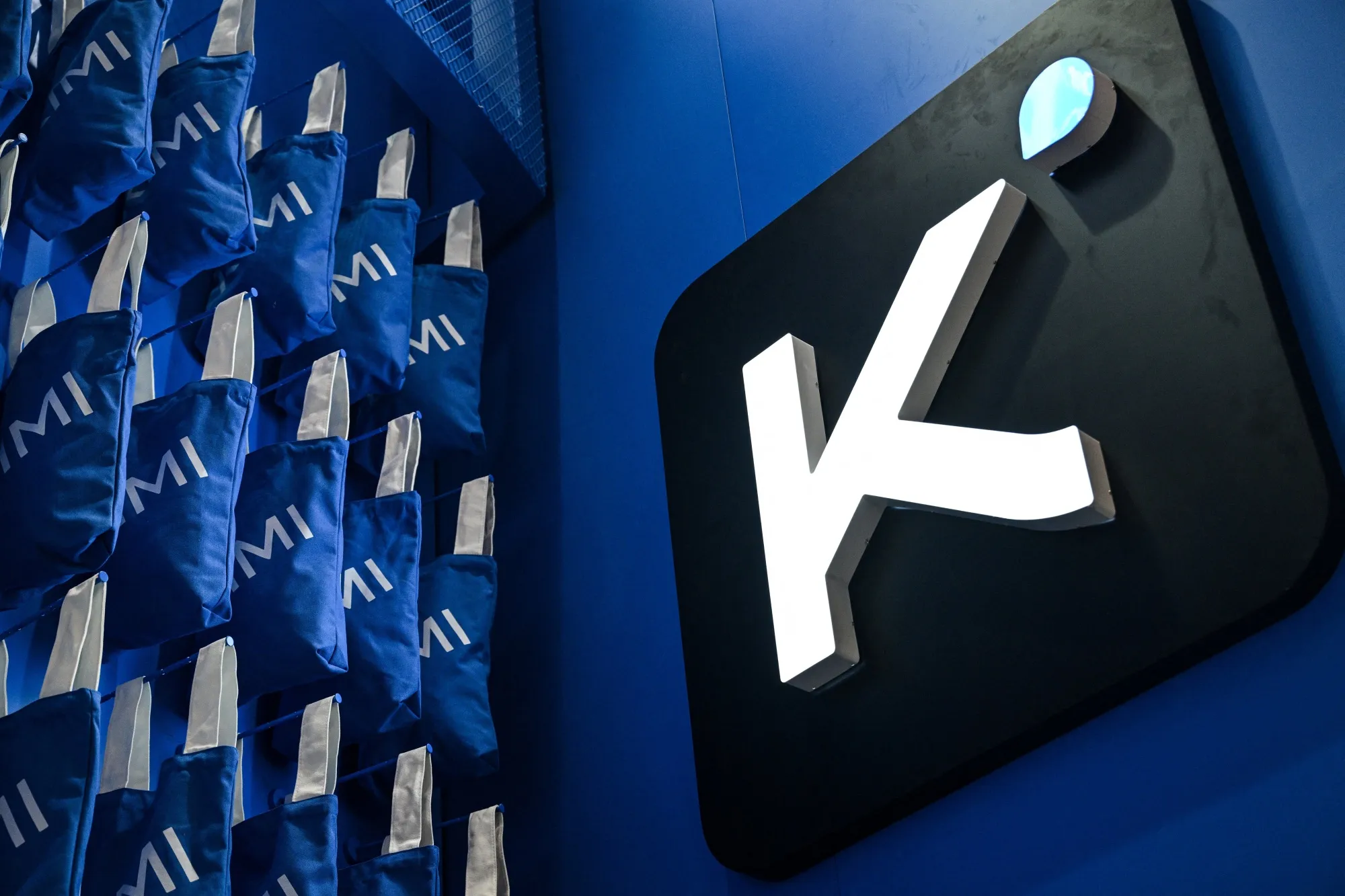
- Moonshot AI has released the Kimi K3 model, which is claimed to be the world's largest open-source AI system with 2.8 trillion parameters.
- Alibaba has launched Qwen3.8, a model with 2.4 trillion parameters, which is seen as a 'one-two punch' to the US AI lead.
- Both Moonshot and Alibaba are emphasizing open-source availability, contrasting with the proprietary nature of US labs.
- Kimi K3 improves computing efficiency while placing heavier demands on memory infrastructure.
- China's leading AI companies are ramping up pressure on Silicon Valley, with models that can compete with those from OpenAI and Anthropic at a lower cost.
- The rapid releases of these models suggest that America's lead in AI is becoming increasingly tenuous.
- The openness of these models contrasts sharply with the guarded approach of US labs, which keep their advanced systems proprietary.
- Moonshot plans to release full model weights on July 27th, while Alibaba states Qwen3.8 is 'going open-weight soon.'
Moonshot AI's Kimi K3, released recently, is touted as the world’s largest open-source AI system with 2.8 trillion parameters. This model, alongside Alibaba's Qwen3.8, which has 2.4 trillion parameters, signifies a shift in the AI landscape, emphasizing memory efficiency over raw computing power.123489
Both companies are challenging the dominance of US tech giants like OpenAI and Anthropic. Moonshot claims its Kimi K3 consistently outperforms nearly all US systems, trailing only behind OpenAI’s GPT-5.6 Sol and Anthropic’s Claude Fable 5 on certain benchmarks. This competitive edge raises questions about the sustainability of US investments in AI, particularly as Chinese firms are able to deliver comparable or superior models at a fraction of the cost.5
The openness of these models contrasts sharply with the proprietary nature of US AI systems. Moonshot plans to release full model weights on July 27th, while Alibaba is also moving towards open-weight availability for Qwen3.8. This shift towards public accessibility could reshape the competitive landscape, as both companies aim to democratize AI technology.7

As the US government implements export controls to limit China’s access to advanced chips, the rapid advancements from Chinese firms highlight the intensifying race for AI supremacy, which is increasingly viewed as critical to national security and economic power.
The competition is not just about technology; it reflects broader geopolitical tensions, with both nations vying for leadership in what is considered the defining technological race of our time.
“Moonshot claims Kimi K3 is the world's largest open-source AI system at 2.8 trillion parameters, outperforming all US models except OpenAI's GPT-5.6 Sol and Anthropic's Claude Fable 5 on certain benchmarks. The company plans to release full model weights on July 27, contrasting with the guarded approach of US labs.”




