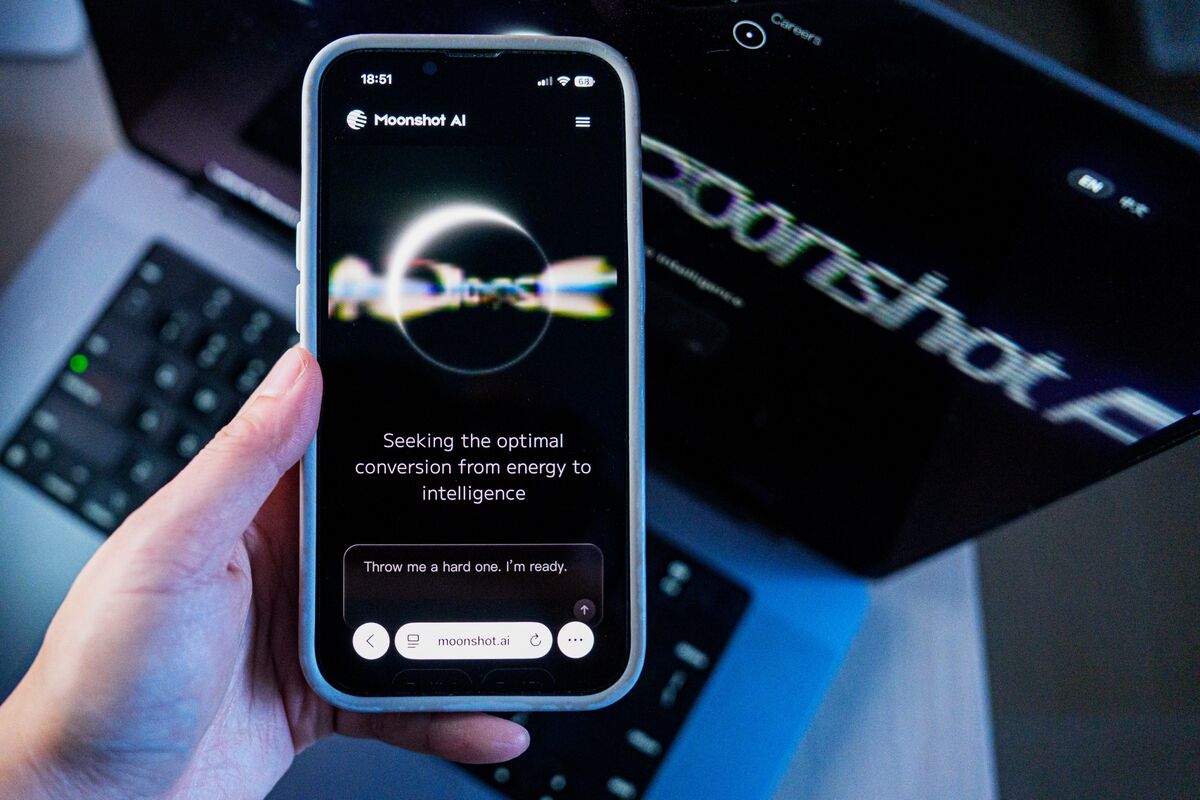
- The release of Moonshot’s Kimi K3 has spurred plenty of noise in Washington, marked by threats of a crackdown and accusations of stealing.
- Treasury Secretary Scott Bessent stated that sanctions and Entity List designations were “on the table,” while accusing Chinese firms of intellectual property theft via distillation.
- The White House Office of Science and Technology Policy Director echoed sentiments regarding the potential crackdown on Chinese AI models.
Moonshot AI's Kimi K3 has emerged as a significant player in the AI landscape, attracting global attention for its capabilities. However, its release has ignited controversy in the U.S., where officials express concerns over China's rapid advancements in AI technology.
The White House is considering sanctions against Moonshot AI, with Treasury Secretary Scott Bessent stating that sanctions and Entity List designations are “on the table.” This comes amid accusations of intellectual property theft, particularly through a technique known as distillation, where outputs from one model are used to enhance another.
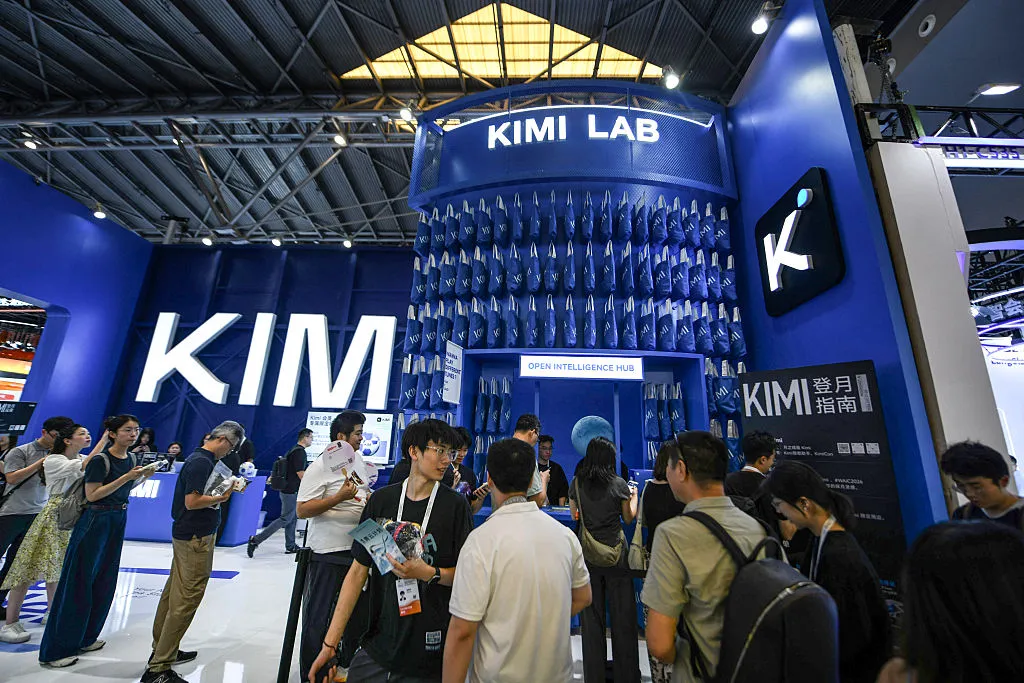
The Kimi K3 model's public availability is seen as a strategic move by Moonshot to expand its influence, coinciding with rising U.S. concerns about the implications of China's AI developments. The White House Office of Science and Technology Policy Director has echoed these sentiments, highlighting the need for vigilance in the face of potential threats posed by foreign AI advancements.
As the situation unfolds, the balance between innovation and security remains a critical issue, with the U.S. government poised to take action against perceived threats from foreign AI technologies.
“Treasury Secretary Scott Bessent indicated that sanctions and Entity List designations are 'on the table' as concerns grow over Chinese firms' practices. The White House Office of Science and Technology Policy Director also expressed similar sentiments regarding a potential crackdown on Chinese AI models.”