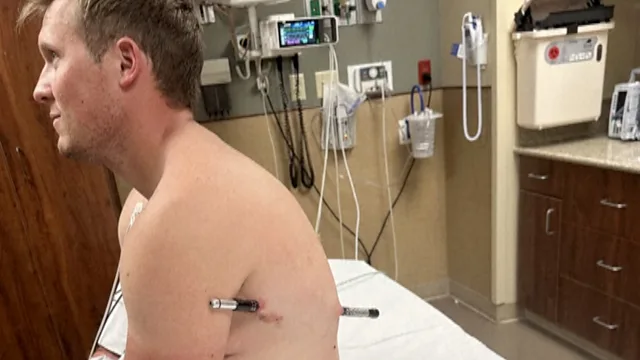
- David Cifaldi impaled himself shortly before 9.45am on July 20 while hiking on Montana's highest peak.
- The 44-inch steel-tipped pole passed through the flesh beneath Mr Cifaldi's left arm, missing any vital organs, and protruded from his back.
- After assessing his wound, Mr Cifaldi decided to walk back down the mountain instead of calling for a helicopter rescue due to high costs.
- The group used a Garmin inReach to contact local authorities and inform them of their self-rescue plan.
- After more than six hours, the group travelled about 10 miles and descended roughly 5,000 feet to reach a trailhead.
- Mr Cifaldi was with two friends as they approached the Froze-to-Death Plateau, the highest peak in Montana.
- Doctors at St Vincent Regional Hospital, where Mr Cifaldi works, removed the pole and bandaged him up.
David Cifaldi, a 32-year-old nurse from Montana, faced a life-threatening situation on July 20 while hiking the Froze-to-Death Plateau, the state's highest peak. After slipping and impaling himself on a 44-inch steel-tipped trekking pole that passed through the flesh beneath his left arm, he opted for self-rescue rather than a costly helicopter evacuation.127
Cifaldi, accompanied by two friends, assessed his injury and decided to walk back down the mountain. The pole missed vital organs, protruding from his back, allowing him to make the trek. The group utilized a Garmin inReach satellite device to inform local authorities of their self-rescue plan.45
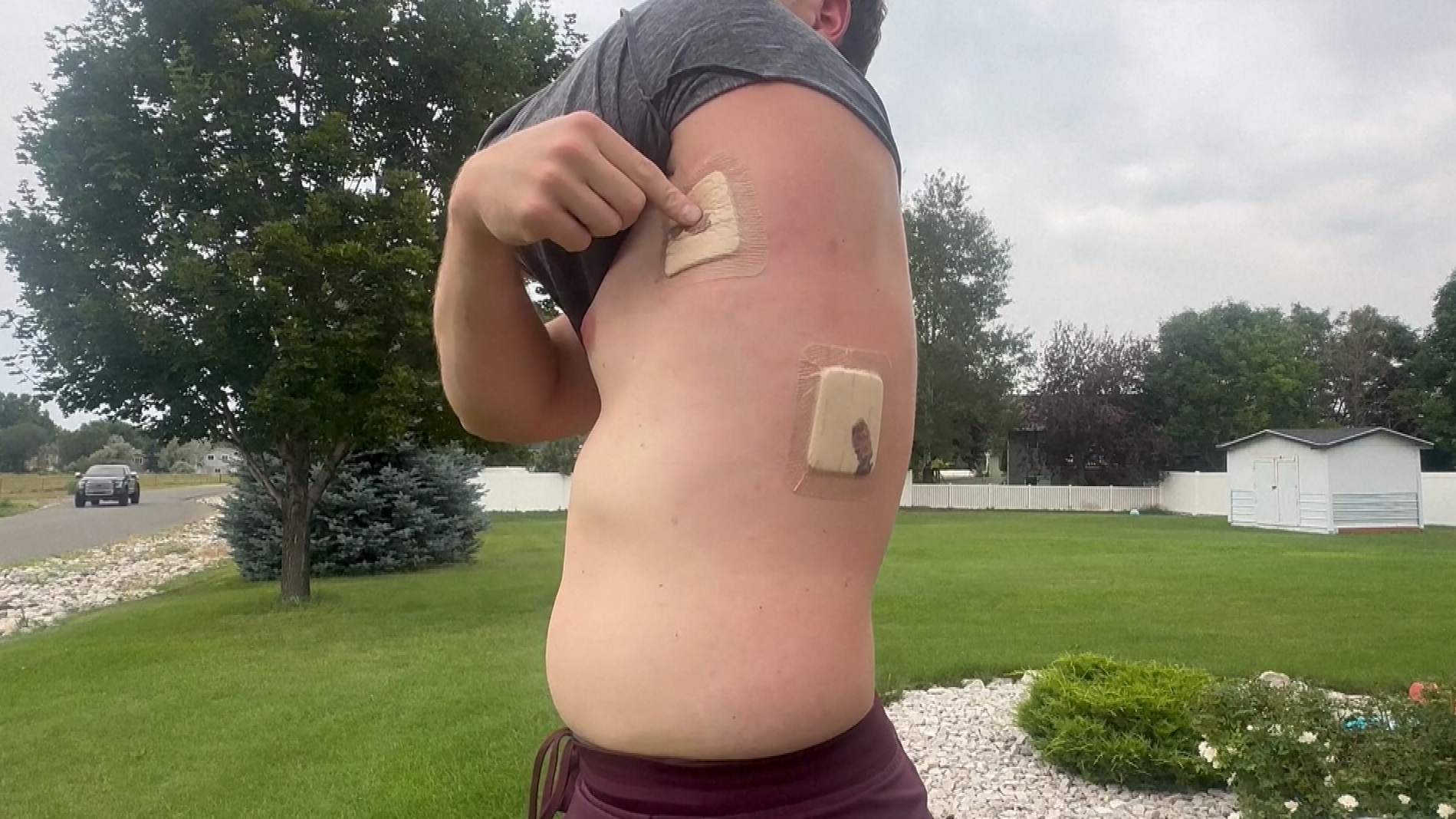
After more than six hours of hiking approximately 10 miles and descending 5,000 feet, they reached a trailhead where Cifaldi's friend, Jesse Ross, had parked a vehicle. They contacted the nearest hospital, St Vincent Regional Hospital, where Cifaldi works, for advanced treatment. Upon arrival, doctors successfully removed the pole and bandaged his wound.8
Cifaldi's decision to self-rescue highlights the challenges faced in remote hiking areas and the importance of preparedness in outdoor adventures.
“Cifaldi, 32, decided against a costly helicopter rescue, assessing his injury as manageable with little pain. After a six-hour trek covering 10 miles and descending 5,000 feet, he reached a vehicle and was later treated at St Vincent Regional Hospital.”




