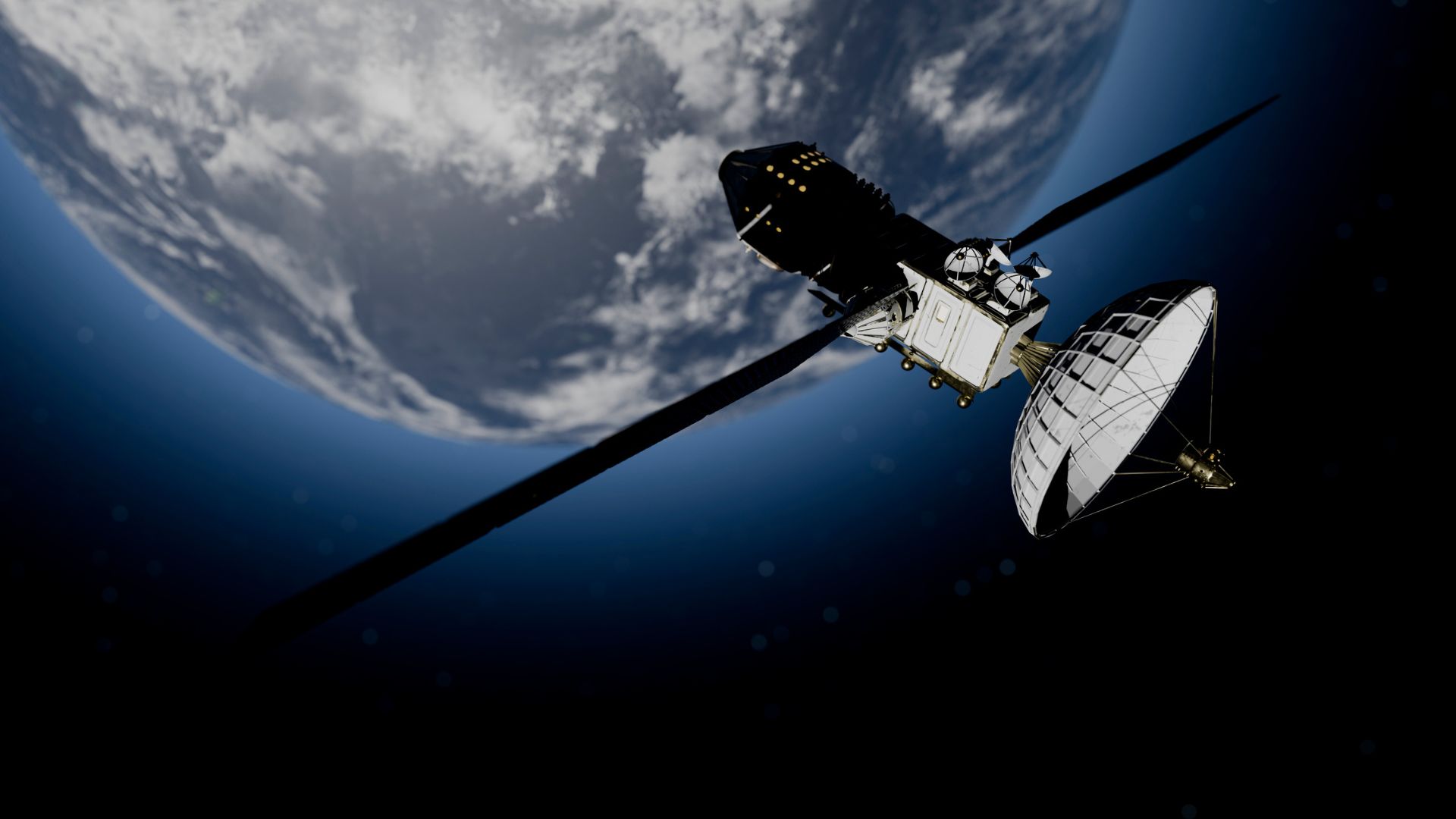
- MIT has published a feasibility study proposing a satellite-based sensor system to detect nuclear weapons in orbiting satellites.
- The proposed system uses cosmic protons to identify nuclear warheads by detecting neutrons released when these protons interact with heavy elements like uranium or plutonium.
- The inspector satellite will be equipped with a custom sensor system featuring scintillators and diamond detectors to filter out background radiation and pinpoint incoming neutrons.
- If the inspector satellite trails a suspect craft at a distance of 4,000 meters, it can confirm the presence of a nuclear warhead with 99 percent accuracy in about a week.
- The Outer Space Treaty of 1967 prohibits nuclear weapons in space, but there has been no effective verification mechanism to ensure compliance.
- The study aims to provide a verification mechanism for the Outer Space Treaty, potentially pressuring countries to adhere to its regulations.
MIT has introduced a groundbreaking satellite-based sensor system designed to detect nuclear weapons in orbit, leveraging cosmic protons to enhance verification of the Outer Space Treaty (OST). This innovative approach addresses longstanding concerns regarding nuclear armament in space, particularly amid rising tensions with Russia.125
The feasibility study outlines how the system can identify nuclear warheads with 99% accuracy. By trailing a suspect satellite at a distance of 4,000 meters, the inspector satellite can confirm the presence of a nuclear weapon in about a week. If it approaches to 1,000 meters, the detection time reduces to just one hour, coinciding with a single orbital flyby.34
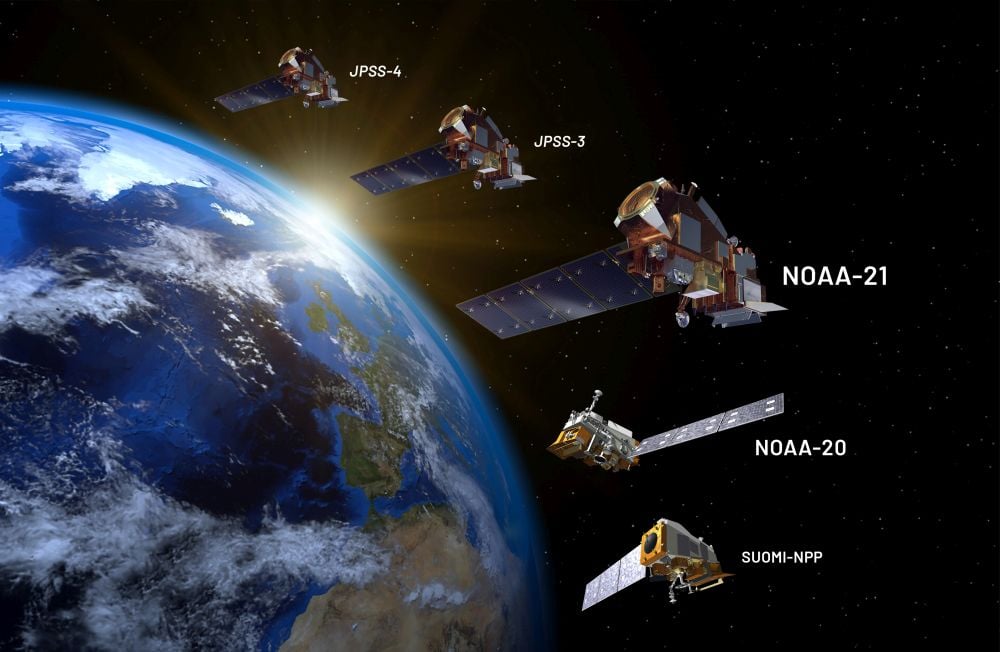
The OST, established in 1967, prohibits the placement of nuclear weapons in space, yet lacks a verification mechanism. “If we eventually have some verification mechanisms for the Outer Space Treaty, that will put pressure on countries to respect the treaty,” said the study's author, emphasizing the need for accountability.6
Concerns have escalated regarding Russia's potential testing of nuclear-armed anti-satellite weapon components, particularly following the launch of the Cosmos 2553 satellite. “All of us should be concerned with the prospect of Russia putting a nuclear weapon in space,” warned Vipin Narang, Acting Assistant Secretary of Defense for Space Policy.
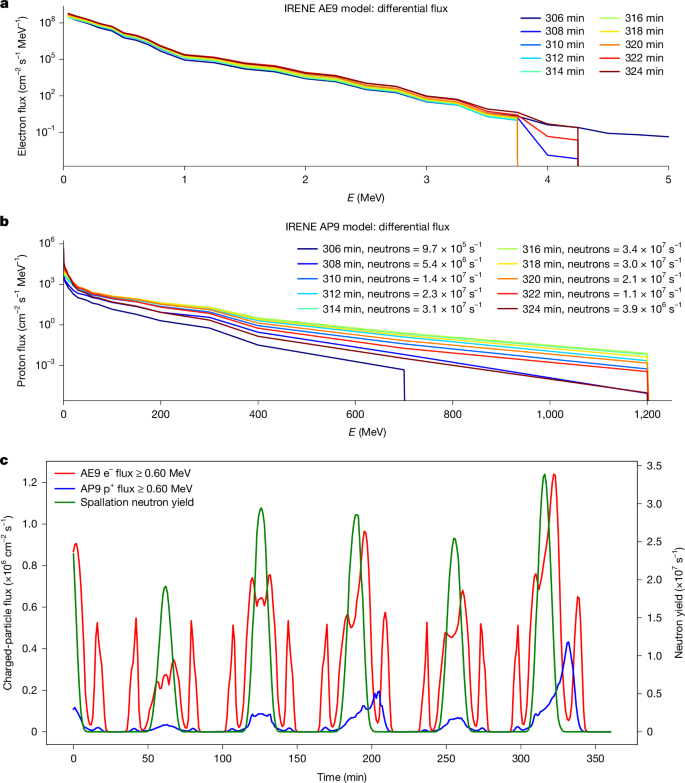
The proposed sensor system, featuring advanced neutron detection technology, could revolutionize space security and compliance verification, paving the way for future research and development in this critical area.
The calculations show that a 9U-CubeSat-sized detection platform can identify a thermonuclear weapon from a distance of 4 km in approximately one week of observation. “You can fake intelligence,” Danagoulian stated, “but you can’t fake physics.”
“The proposed inspector satellite would detect neutrons released when cosmic protons strike uranium or plutonium, a unique nuclear weapon signature. At 4km distance, it could confirm a warhead with 99% accuracy in one week, or just one hour at 1km.”
 Nature



