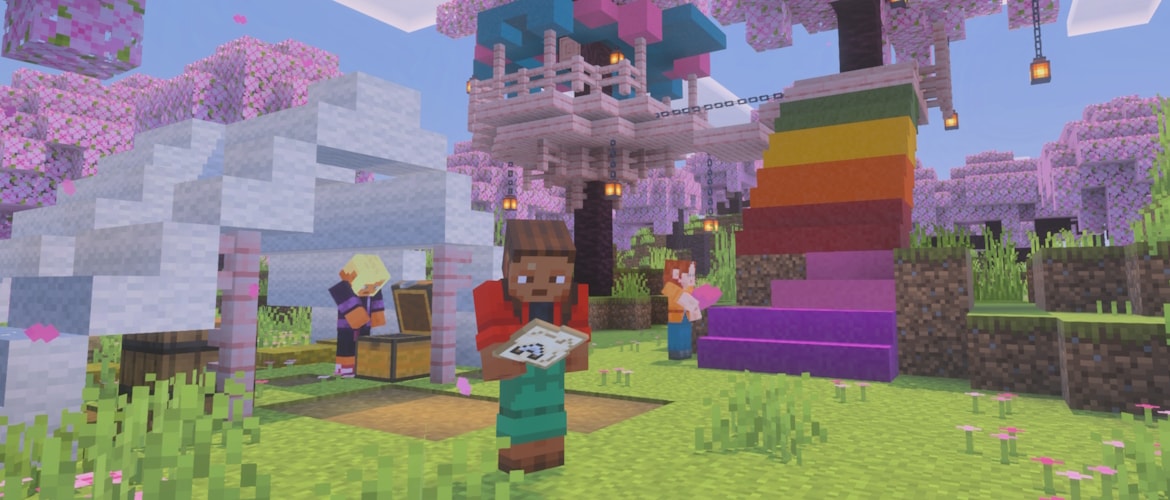
- Minecraft 26.40 demonstrates adaptive graphics for mobile games.
- Texture Streaming, shadow allocation and lighting adjustments work together as adaptive graphics.
- The system prioritizes textures needed for the current view, with a fast device able to load details quickly and a weaker phone showing brief transitions as textures arrive.
- Modern rendering systems increasingly adjust visual workloads according to available memory, graphics power and cooling.
- The changes documented in Minecraft demonstrate how a large sandbox can adjust rendering resources while preserving a consistent experience across very different devices.
- Two Android phones may support the same Bedrock build but differ sharply in memory speed, graphics drivers, screen resolution and thermal limits.
- A quiet room, a crowded village, the Nether and a large redstone base all demand different amounts of processing.
Minecraft 26.40 showcases a significant advancement in mobile gaming graphics by implementing adaptive rendering techniques that cater to a wide range of Android devices.16
The update utilizes Texture Streaming and shadow allocation to dynamically adjust visual workloads based on the device's capabilities.2
As mobile games must deliver recognizable graphics on hardware ranging from entry-level phones to flagship devices, this update exemplifies how modern rendering systems are evolving.
The changes allow for a consistent gaming experience across devices with varying specifications, as two Android phones may support the same Bedrock build but differ sharply in memory speed, graphics drivers, screen resolution, and thermal limits.7
For instance, a quiet room, a crowded village, the Nether, and a large redstone base all demand different amounts of processing power.8
Texture Streaming stands out as a clear example of this adaptive rendering approach. Instead of keeping every high-detail asset ready at all times, the system prioritizes textures needed for the current view.34
Consequently, a fast device can load details quickly and maintain more assets ready, while a weaker phone may experience brief transitions as textures arrive.
This innovative approach not only enhances the visual fidelity of the game but also ensures that players on all devices can enjoy a seamless experience.
“The update prioritizes textures for the current view, letting fast devices load details quickly while weaker phones show brief transitions. Two Android phones may support the same Bedrock build but differ in memory speed, graphics drivers, and thermal limits.”