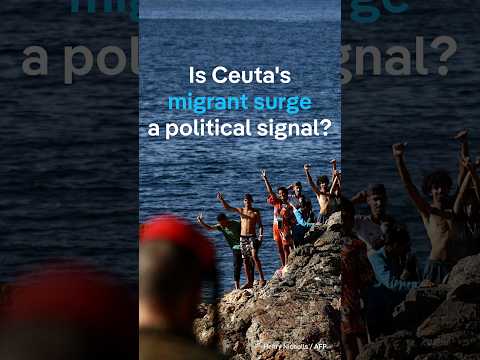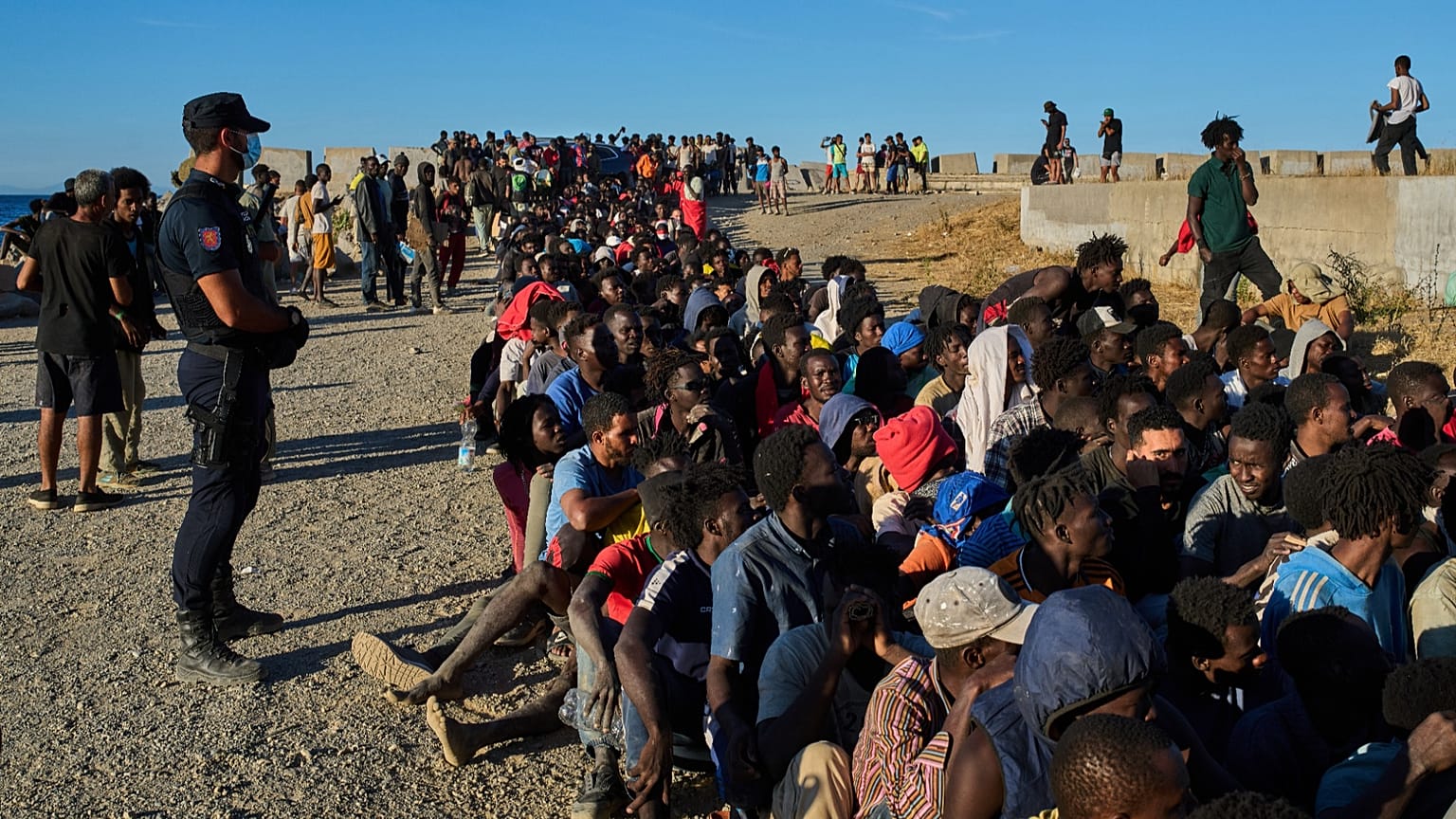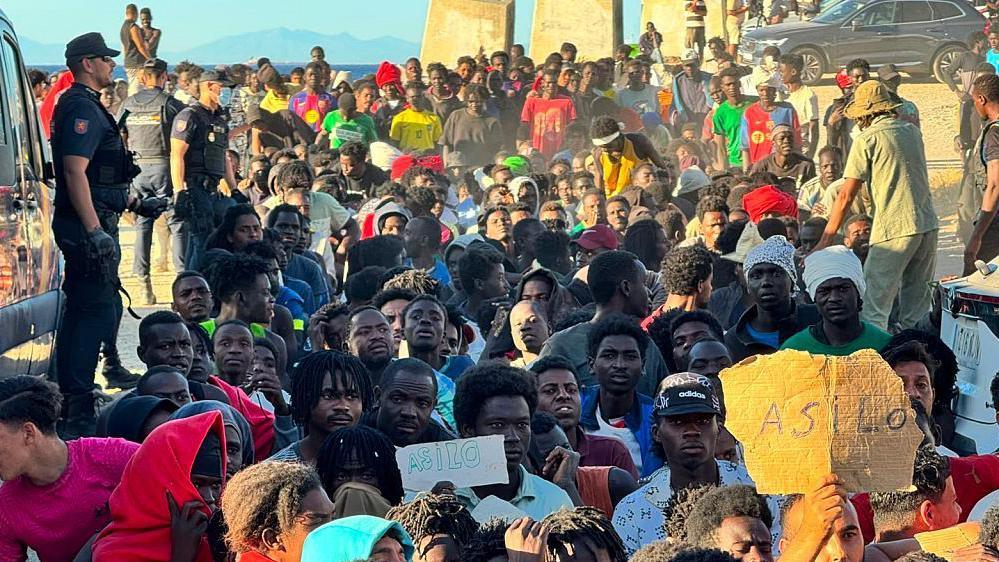
- Migrants have entered the Spanish enclave of Ceuta from Morocco, prompting a significant response from European authorities.
- EU officials commended Spain's handling of the situation, highlighting the need for effective border management.
- Around 72,000 migrants crossed into the Spanish territory in North Africa between 30 and 31 July; Spain estimated 70,000 had been returned to Morocco, with at least 75 deaths on the Spanish side and 11 deaths in Morocco.
- The crossings followed a Spanish Supreme Court ruling that migrants stopped at sea cannot be summarily returned to Morocco; Morocco said it had warned Spain the ruling would cause "a problem", but Spain rejected this, saying it had no intelligence "that alerted us to the magnitude of this unprecedented event".
The European Union has praised Spain's swift response to a migrant crisis in Ceuta, where approximately 72,000 migrants crossed from Morocco between July 30 and 31. Spain's Interior Minister, Fernando Grande-Marlaska, reported that around 70,000 migrants have since been returned to Morocco.134567
The crisis has resulted in at least 75 deaths on the Spanish side of the border, with 11 fatalities reported in Morocco. This situation prompted a meeting of EU interior ministers, where concerns were raised about Spain's handling of the crisis. Italy described the images from Ceuta as "shocking" and suspended its Schengen agreement with Spain, which primarily affects air travel due to the lack of a land border.
Spanish Prime Minister Pedro Sánchez expressed serious concerns about the reactions from some European governments, stating that while many showed support, others attacked Spain due to "prejudice, fake news, ignorance, or political interest." He emphasized that Ceuta is not part of the Schengen area.
Denmark's immigration minister, Morten Bødskov, expressed satisfaction with Spain's quick response but highlighted the need for better control over EU borders. EU Commissioner Magnus Brunner called the incident a test of European resilience and border security, which he believes Spain has successfully passed. The EU has also offered Spain emergency financial support to strengthen its borders and manage the ongoing crisis.
Moroccan authorities warned Spain that a recent Supreme Court ruling, which prevents the summary return of migrants stopped at sea, would lead to problems. However, Spain denied having prior intelligence about the scale of the crisis.
“Around 72,000 migrants crossed into Ceuta between 30 and 31 July, with Spain estimating 70,000 were returned to Morocco and at least 75 deaths on the Spanish side. EU commissioner Magnus Brunner called the incident a 'test' of European resilience and border security that Europe 'passed' and offered Spain emergency financial support.”