
- Hundreds of unaccompanied minors are stranded in Ceuta in North Africa, following the massive surge of migrants who swam around the border fence with Morocco to reach the Spanish territory.
- Between 60,000 to more than 70,000 migrants crossed from Morocco into Ceuta, marking the territory's largest migration crisis.
- Spain deployed its military and police to contain the situation amid the unprecedented migration crisis.
- At least 88 people died, Spanish officials said on Monday, though Moroccan officials later presented a lower estimate.
- Hundreds of unaccompanied minors remain stranded in Ceuta after avoiding expulsion.
- Spain and Morocco reached an agreement to speed up the repatriation of migrants amid criticism from Ceuta's president.
- Some of the children are traumatised after witnessing family members drown in the Mediterranean Sea, as tens of thousands left Morocco in search of better opportunities.
- More than 800 unaccompanied minors are among the remaining migrants and face an uncertain future.
- Spanish law states that when police identify young children and teenage migrants who are unaccompanied by adults, the minors must be granted protection and receive 'immediate attention' from Spanish child protection services.
- The city’s migrant centre is full — it has a capacity for 600 people. Food is scarce among the migrants, according to reporting by AP and AFP.
Hundreds of unaccompanied minors are among the thousands stranded in Ceuta, following a historic surge of migrants from Morocco. An estimated 60,000 to 70,000 people crossed into the Spanish enclave, leading to a humanitarian crisis as many face uncertain futures and dire living conditions.15
Among the minors, more than 800 are unaccompanied, with reports of trauma and loss. A 17-year-old girl recounted witnessing her brother's drowning, stating, “I saw people stepping on the dead. Now we are children begging on the street.” The city’s migrant center, with a capacity of 600, is overwhelmed, forcing many to sleep outdoors.
Spanish law mandates that unaccompanied minors receive immediate protection, yet many remain vulnerable. The situation has drawn criticism, with calls for changes to immigration laws to facilitate quicker repatriations. At least 88 migrants have died during the crossing, highlighting the perilous journey many undertake in search of better opportunities.9
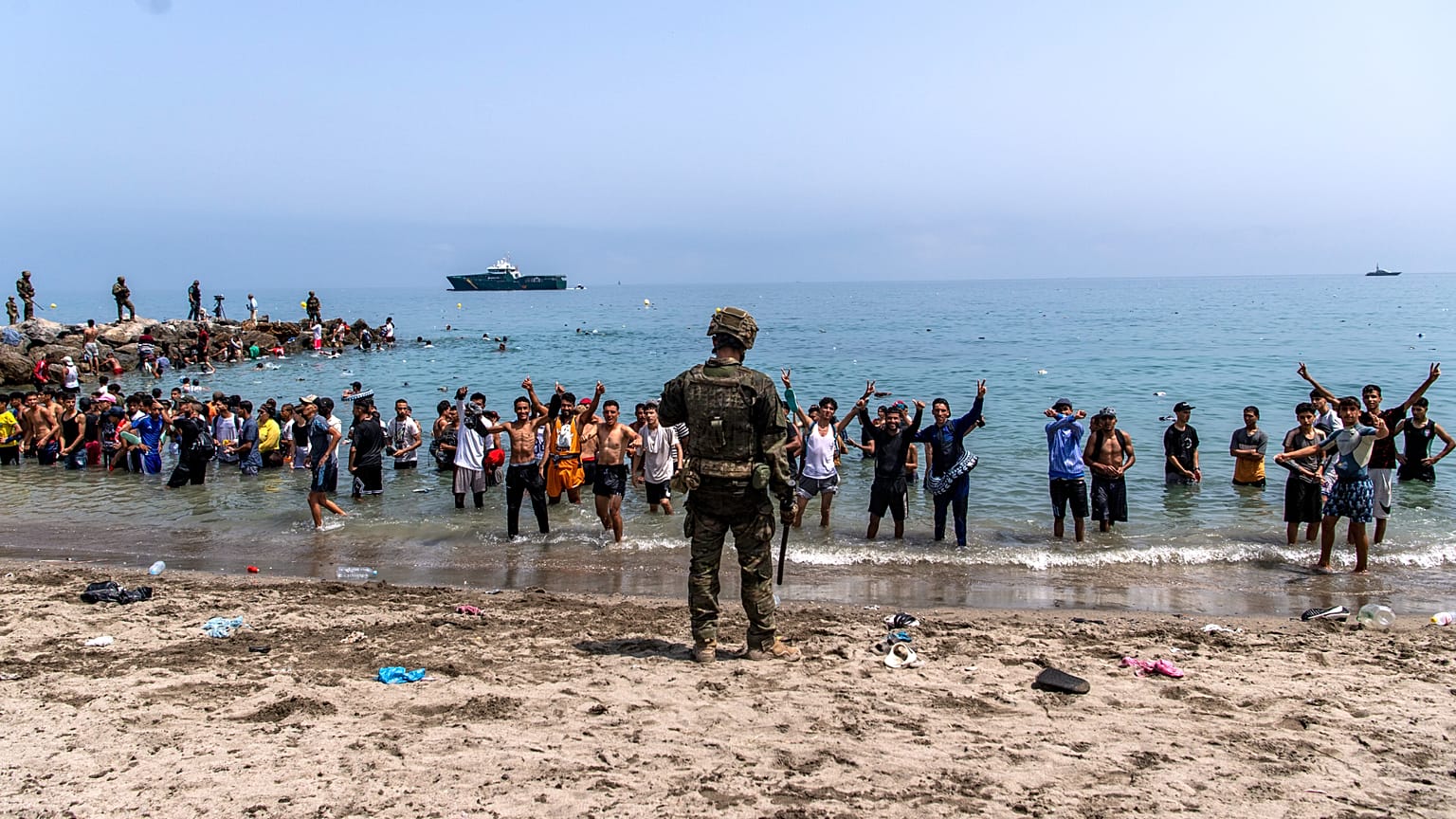
The crisis has raised questions about Moroccan authorities' role, with reports suggesting they may have facilitated the surge. Allegations include Moroccan police directing migrants towards the border, raising suspicions of a coordinated effort to exploit the situation for political gain.
In response, Spain has deployed military forces and sought to expedite repatriation agreements with Morocco, although the European Union's offer for assistance was declined. The unfolding crisis underscores the complexities of migration and the urgent need for humanitarian support.
“An estimated 3,000 to 5,000 of the migrants avoided expulsion; more than 800 are unaccompanied minors. With the city's migrant centre full, many sleep outside on beaches and hills, while Spanish law requires child protection services to give minors immediate attention.”


 Euronews.com



