- Polar vortex is a weather phenomenon that can significantly impact UK weather patterns.
- The Met Office has issued a new verdict indicating that November snow could blanket the UK.
- According to the Met Office's long-range forecast, temperatures are predicted to be "a little below average" in early to mid-November, before returning to "near or slightly above average."
- From November 18 to December 2, the Met Office predicts an increasing chance of unsettled conditions with rain and strong winds, particularly in northern and western areas.
- Towards the end of November, there may be a tendency for Atlantic low-pressure tracks to shift farther south, with temperatures likely near or above average, though colder interludes remain possible.
Meteorologists are observing an early disruption of the polar vortex, which could lead to significant weather changes in the UK this November.1
The polar vortex, a fast-moving wind high in the atmosphere, typically traps cold air above the North Pole. However, disruptions can lead to colder weather patterns.
The Met Office has indicated that this disruption is "highly unusual" and could result in the earliest recorded Sudden Stratospheric Warming (SSW).2
"If it becomes a major Sudden Stratospheric Warming (SSW), it will be the earliest such event on record," a spokesperson stated. The current large El Niño may be contributing to this disturbance, which is known to increase the likelihood of SSWs.
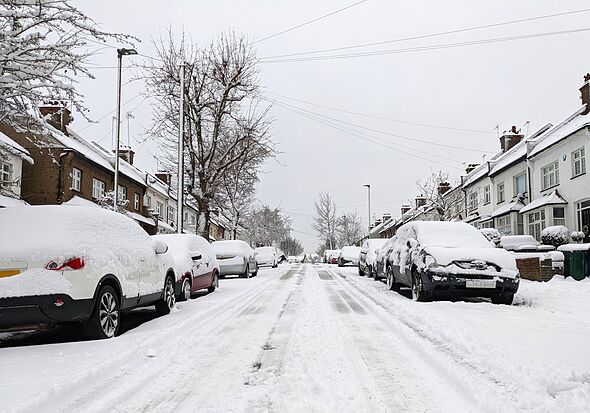
The Met Office's long-range forecast predicts temperatures to be "a little below average" in early to mid-November, with a potential return to near or slightly above average later.3
"Towards the end of November, whilst confidence is very low in the overall weather patterns, there may be a tendency for the tracks of Atlantic lows to shift farther south," the forecast noted. This could lead to unsettled conditions, including rain and strong winds, particularly in northern and western areas.45
While SSW events are common, not all lead to severe winter weather. However, the current situation increases the chances of colder conditions in the UK.
“The disruption could trigger a sudden stratospheric warming that reverses vortex winds, raising chances of a dry, cold spell in northern Europe. Met Office forecasts 'a little below average' temperatures for early November, with unsettled conditions and potential strong winds expected from November 18 onward.”
 AOL.co.uk