- On October 2, 2026, Meta announced the open-source release of Muse gadget SDKs and firmware, allowing users to create DIY hardware that connects to its Muse AI agent.
- Nat Friedman announced the release of Muse Gadgets, stating it includes an open source ESP32 firmware and Linux SDK for building compatible hardware.
- Meta has manufactured 5,000 Muse Home Link devices, which are available for U.S. subscribers while supplies last.
- The waitlist for Muse Home Link is now open, with shipping expected later in October 2026.
- Meta's Muse gadgets allow users to build their own devices using an off-the-shelf ESP32 board or a Raspberry Pi, connecting to various displays and sensors.
- The Muse Home Link enables users to control smart home devices and is powered by a USB-C connection.
- Meta emphasizes that the SDKs and firmware are provided as-is and users should proceed at their own risk when building their devices.
Meta has launched Muse gadgets, an open-source initiative that allows users to create their own AI hardware. The project includes SDKs for ESP32 boards and Raspberry Pi, enabling connections to displays, buttons, and sensors.2
Nat Friedman stated, "Announcing Muse Gadgets, an open source ESP32 firmware and Linux SDK so that you can make hardware devices that work with Muse."
The ESP32 Device SDK connects off-the-shelf boards to Muse, while the Linux Device SDK turns Raspberry Pi into a Muse gadget, supporting custom commands.
Meta warns users to “Proceed at your own risk!” as tinkering may lead to bricked devices or voided warranties.
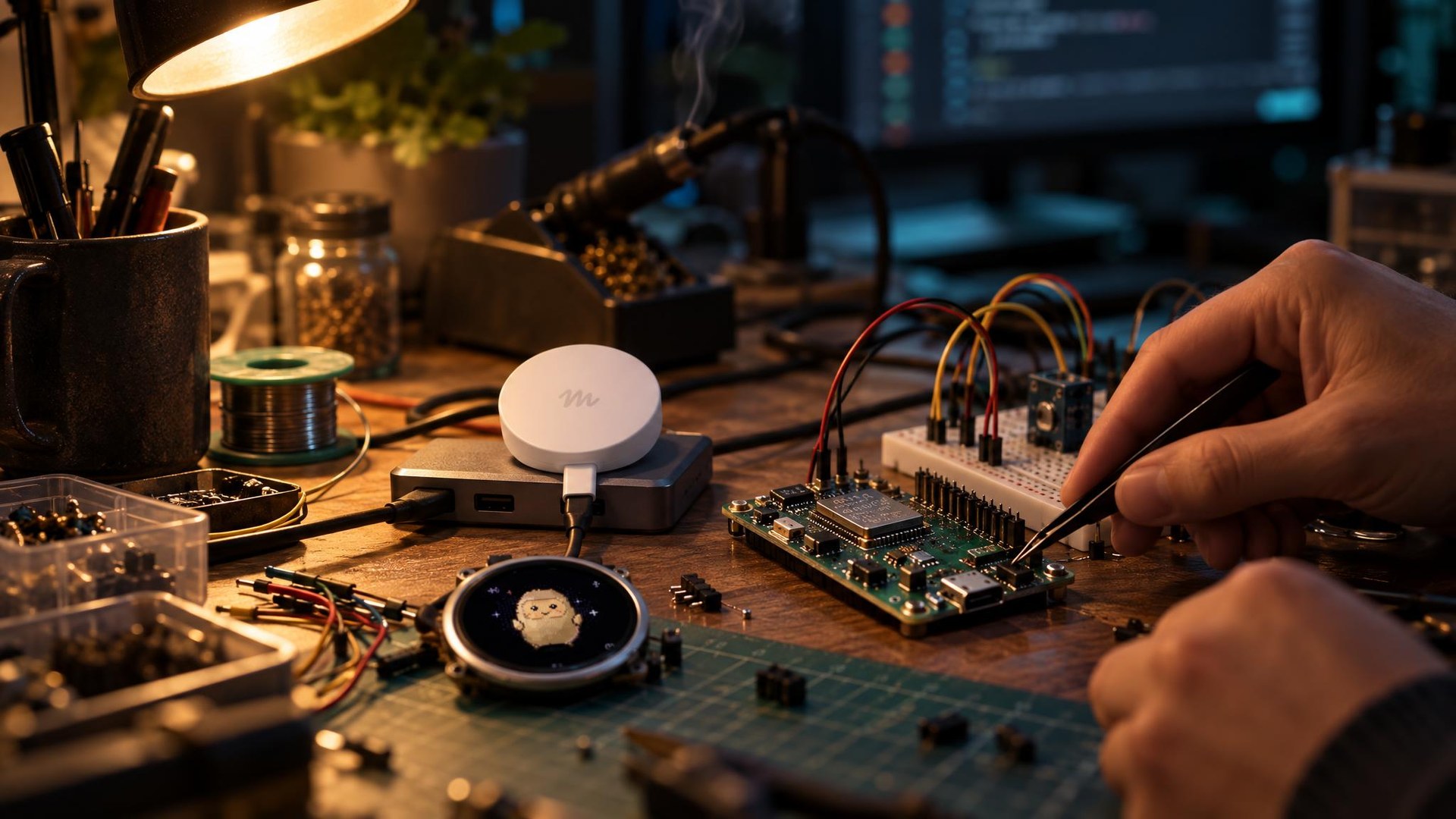
The company is also offering a Muse Home Link, a USB-C device that connects Muse to smart home devices, available for free to U.S. subscribers while supplies last.6
“We manufactured a batch of 5000 Home Links which should be ready to ship in a few weeks,” Friedman noted.
The Apache 2.0 license governs the SDKs, excluding certain third-party files. Users must obtain an SDK token to pair their gadgets, and the process requires reviewing the Gadget SDK Terms.
The initiative is framed as a fun project for hardware hackers, emphasizing community engagement and creativity in building AI-integrated devices.
“Meta manufactured 5,000 Muse Home Link devices, free for U.S. Muse subscribers while supplies last, with shipping expected later this month. The SDKs and firmware are hosted on GitHub under Apache 2.0, and builders can pair ESP32 or Linux gadgets via the Muse app after enabling Developer mode.”