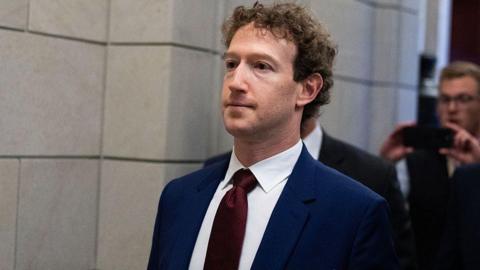
- Meta's trial has commenced in California, where states argue that its platforms exploit the vulnerability of young brains.
- California's deputy attorney general, Megan O'Neill, claimed that Meta hid the truth about the risks its platforms posed to children, asserting that the business was designed to hook users and harvest their data.
- Arturo Béjar, a former Meta executive, testified that the company was aware its platforms were harming young people and that safety was an afterthought.
- Attorney General Rob Bonta stated that Meta's conduct is illegal and that the company had a legal and moral obligation to ensure the safety of young users.
- The lawsuit claims that Meta contributed to the youth mental health crisis by deliberately designing features that addict children to its platforms.
- O'Neill emphasized that Meta was aware of the harmful effects of its platforms, particularly regarding self-harm and eating disorders among teenagers.
- The trial is expected to last five to seven weeks, with both sides presenting their cases in federal court.
- A jury will determine if Meta designed its apps to hook users and hide the truth from the public, as stated by O'Neill.
- O'Neill highlighted that Meta's internal research on safety issues was not utilized to improve its products, despite having effective ideas to mitigate harm.
Meta is currently embroiled in a pivotal federal trial in California, where it faces allegations of endangering young users through its platforms. California Attorney General Rob Bonta claims the company prioritized profits over safety, stating, "Meta chose profits over the safety of users".4
During the trial, which is expected to last five to seven weeks, the states argue that Meta's design choices contribute to a youth mental health crisis. O'Neill, a deputy attorney general, asserted that Meta's platforms were designed to "hook users, hold them for as long as they can, harvest their data and hide the truth from the public". The lawsuit highlights that Meta was aware of the harmful effects of its platforms, particularly on teenagers, with evidence suggesting that "Instagram is harmful to a significant percentage of teenagers, including teen girls".25678
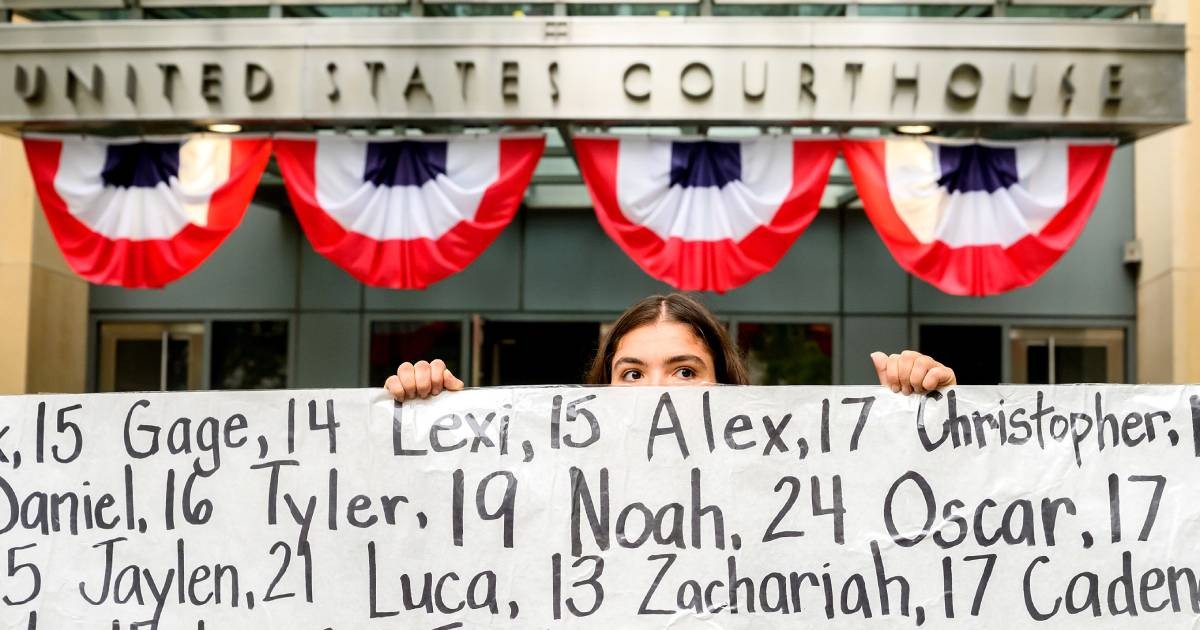
Former Meta executive Arturo Bejar testified that the company knew its platforms were causing harm but failed to act, stating, "safety and security was an afterthought". The states' case is bolstered by claims that Meta's internal research was not used to improve user safety, with O'Neill emphasizing that "kids are the product" for Meta.
If Meta loses, it could face damages amounting to $1.4 trillion, although legal experts suggest such a figure is unlikely. The outcome of this trial could lead to significant changes in how Meta operates its platforms, as the states seek both financial restitution and reforms to protect young users.
“California Attorney General Rob Bonta alleges that Meta prioritized profits over user safety, claiming it had a legal obligation to protect young users. The trial, expected to last five to seven weeks, features testimony from former Meta executive Arturo Bejar, who stated that the company was aware of the harm its platforms caused to children.”




 BBC
BBC AsiaOne