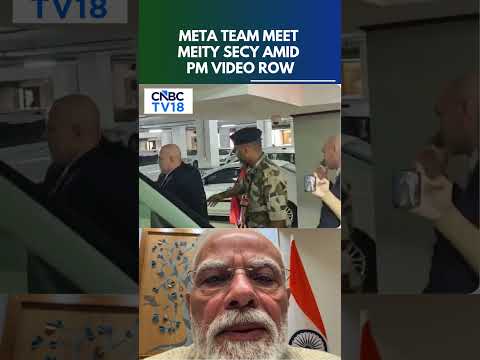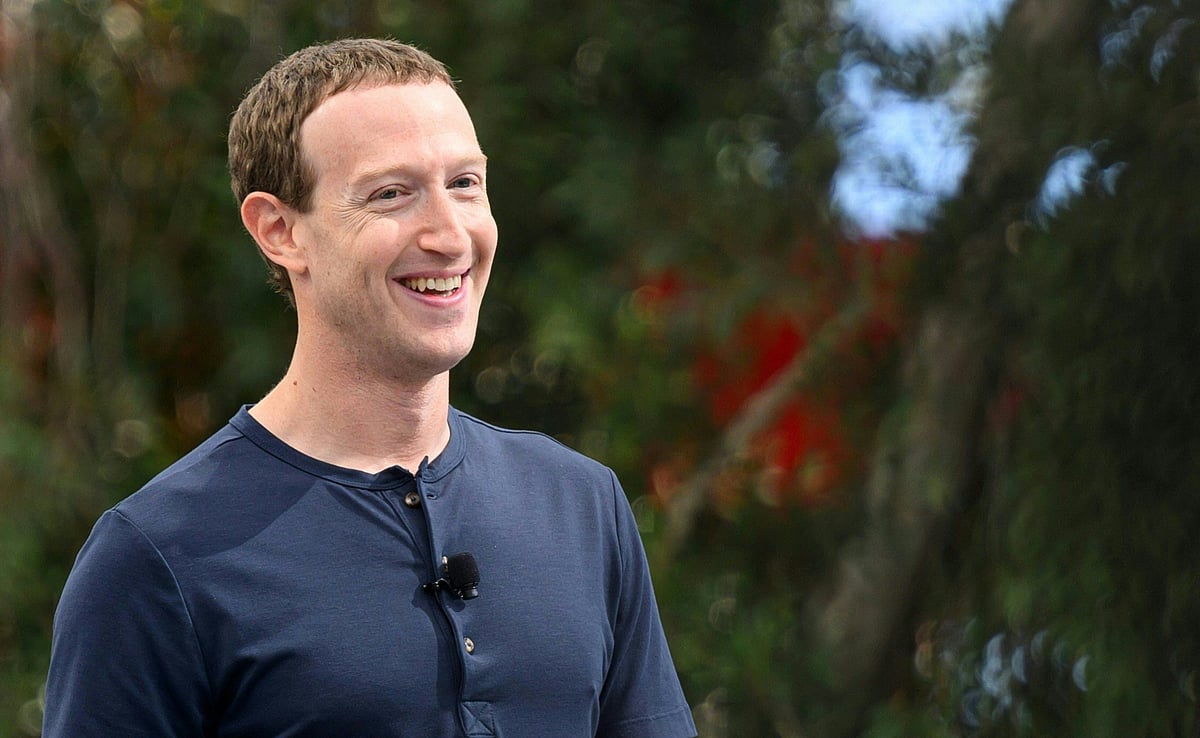
- On August 5, Meta CEO Mark Zuckerberg conveyed his apologies for child sex abuse material (CSAM), deepfakes, and errors in operating the platform, according to government sources, after policy chief Joel Kaplan met officials from the Ministry of Electronics and Information Technology.
- The meeting on August 5 came after Prime Minister Narendra Modi's first video message to the youth posted on July 23 was temporarily removed from Facebook; the company said it was done in error. The government had insisted on a full accounting of the error and a personal apology from Mr. Zuckerberg.
- The government also raised a BBC report on advertisements appearing on Instagram promoting CSAM during the meeting.
- Parliament's Standing Committee on Communications and Information Technology, headed by the Bharatiya Janata Party's Nishikant Dubey, demanded that Mark Zuckerberg tender an unqualified apology within 3 days, or face withdrawal of protection under Section 79(3) of IT Act.
- At a committee hearing on August 3, Opposition MPs pushed back against the ruling party's line of questioning, saying content moderation on social media platforms should not be subject to political influence.
Meta CEO Mark Zuckerberg conveyed his apologies to the Indian government for issues surrounding child sexual abuse material (CSAM), deepfake content, and operational errors, particularly after a controversial takedown of Prime Minister Modi's Facebook video.134
The apology came during a meeting with officials from the Ministry of Electronics and Information Technology (MeitY), where sources indicated that Zuckerberg acknowledged the platform's shortcomings, including algorithmic bias and the promotion of objectionable content. “A lot of money was paid for boosting certain types of content,” MeitY sources reported, highlighting the government's concerns over Meta's content moderation practices.5
The controversy intensified after a BBC report revealed that Instagram displayed paid advertisements linked to CSAM, prompting the government to demand accountability. “Meta is not covered under the Intermediary definition,” officials stated, suggesting potential legal ramifications for the company.

The incident, which included the brief removal of Modi's video addressing examination paper leaks, was attributed by Meta to a technical error. However, the government deemed this explanation “inadequate”, leading to further scrutiny of Meta's operations and potential withdrawal of its safe harbour protection under Indian law.
The Parliamentary Standing Committee on Communications and Information Technology has also summoned Meta officials for further discussions, emphasizing the need for a personal apology from Zuckerberg.
As the situation unfolds, the government is pressing for a comprehensive response from Meta regarding its content moderation policies and the implications of its operational failures.
“Meta policy chief Joel Kaplan met IT Minister Ashwini Vaishnaw on August 5, where the government raised a BBC report on Instagram ads promoting CSAM. Separately, a parliamentary committee headed by BJP's Nishikant Dubey said Zuckerberg must give an unqualified apology within three days or face withdrawal of Section 79(3) immunity as a publisher.”