- The U.K.'s national weather agency, the Met Office, forecast that this year's El Nino will be the biggest in over a century and could make 2027 the hottest year globally.
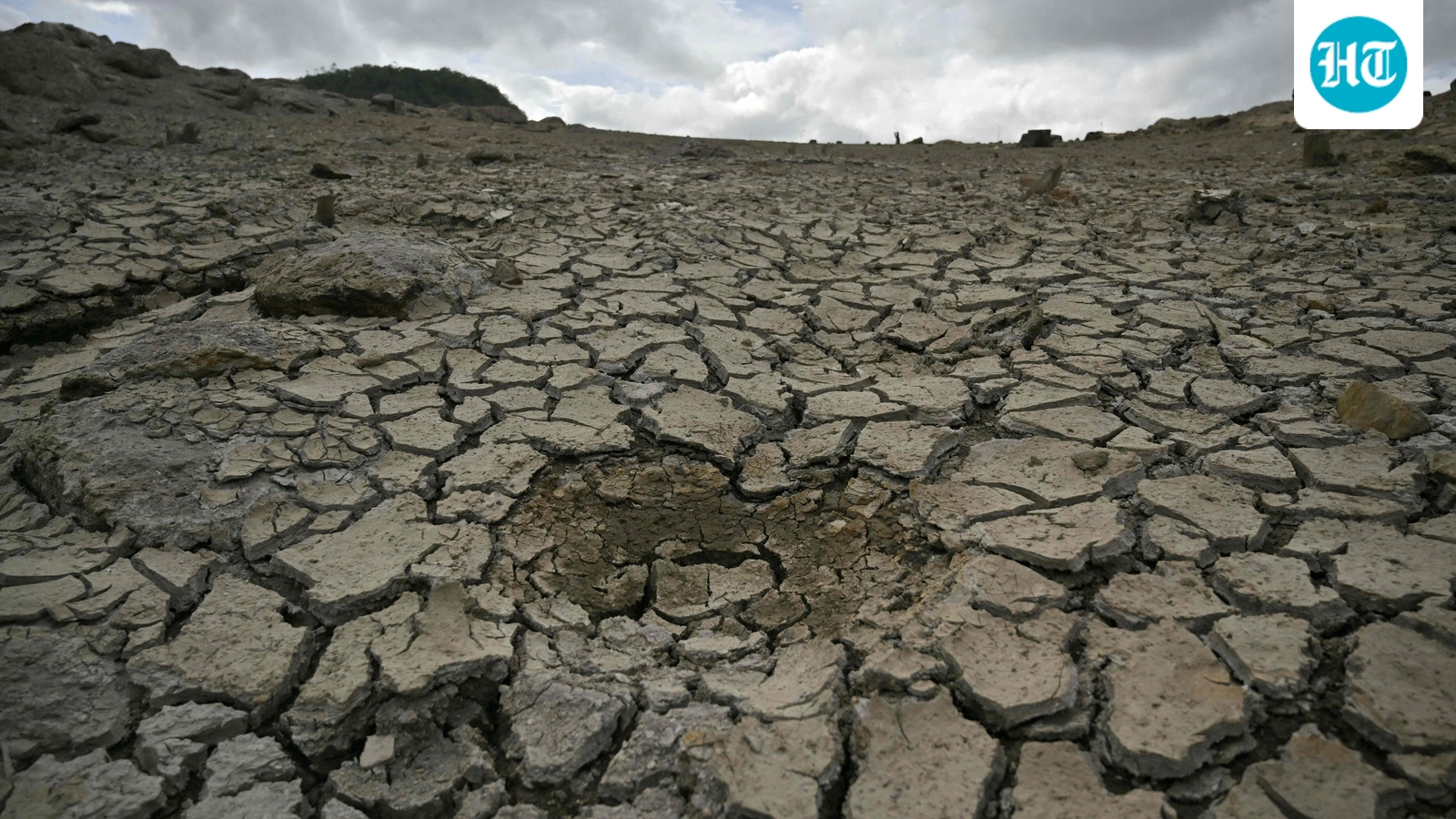
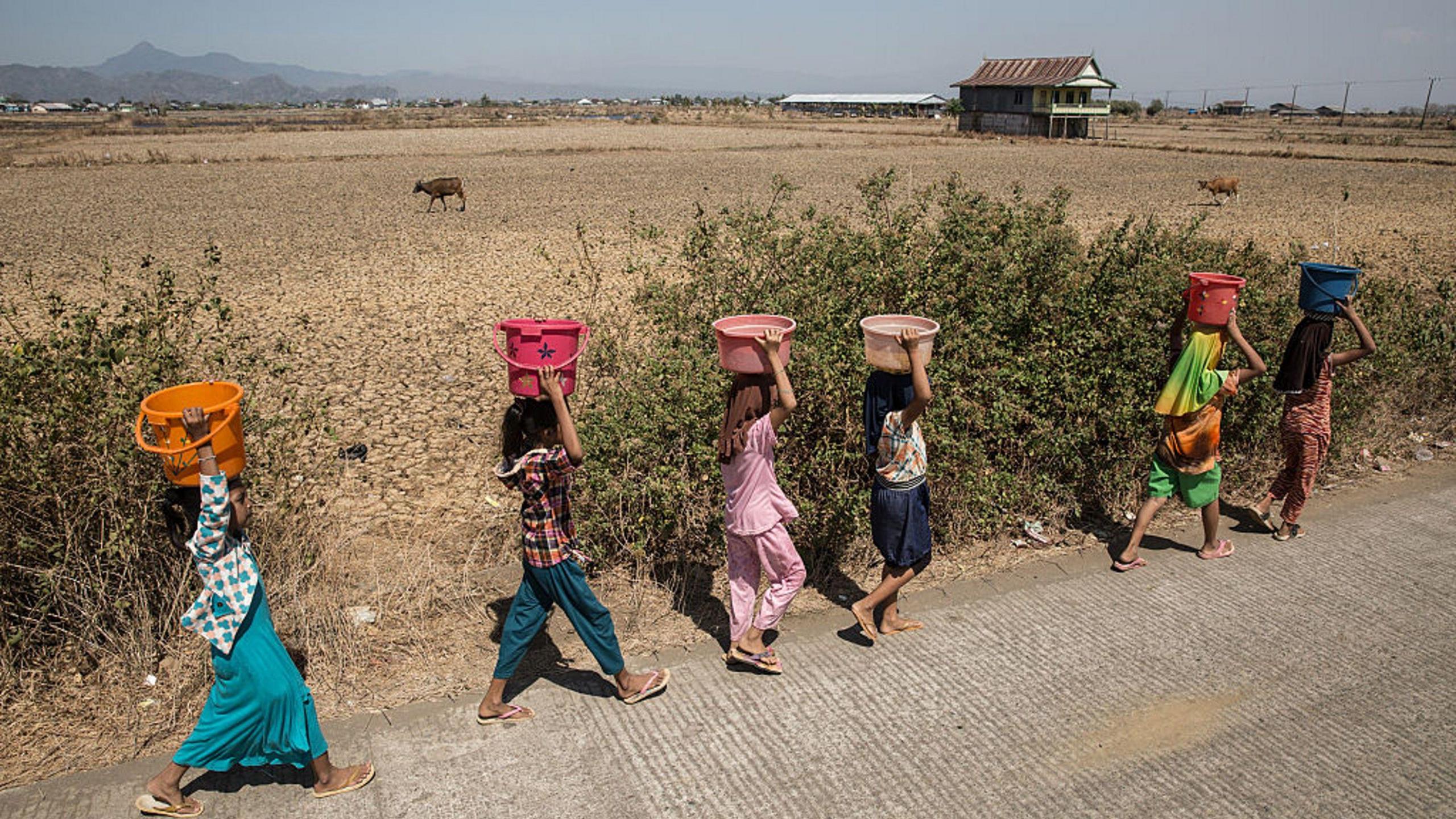
- Forecasters expect really severe droughts in places like South America and the West Pacific, and El Nino is already causing well below normal rainfall in India.
- The Met Office expects 2027 is very likely to replace 2024 as the warmest year on record.
- Adam Scaife, head of long-range forecasting at the Met Office, said: "We are expecting the biggest El Nino for over a century, peaking at something over three degrees - that is unheard of in modern climate records."
- A record El Nino would be "adding to the stresses of climate change" following a summer of heatwaves across Europe, the Met Office said in a blog.
- El Nino typically results in drier conditions across southeast Asia, Australia, southern Africa, and northern Brazil, and wetter conditions in the Horn of Africa, the southern United States, Peru and Ecuador.
- British scientist Scaife called the event "an unprecedented event" and said he had never seen an El Nino signal this intense in forecasts, with even a 2C rise considered a "really big event".
The Met Office has announced that this year's El Nino is set to be the largest in over a century, with predictions indicating it could peak at a staggering 3.9 degrees Celsius anomaly this November.1
Adam Scaife, head of long-range forecasting, emphasized the unprecedented nature of this event, stating, "I have never seen an El Nino signal this intense in our forecasts."5
The current temperatures in the Pacific are approximately 2.6 degrees Celsius above the 30-year average, contributing to the likelihood that 2027 will surpass 2024 as the warmest year on record.4
The Met Office also highlighted that this El Nino will exacerbate the effects of climate change, following a summer marked by heatwaves across Europe.6
In India, the weather phenomenon is already leading to well below normal rainfall, while forecasters predict severe droughts in regions such as South America and the West Pacific.23
Additionally, the U.K. is expected to experience increased rainfall and storminess this autumn, particularly around November.
As Scaife noted, "We should be clear that this is an unprecedented event," underscoring the significant implications of this El Nino on global weather patterns.
“Adam Scaife, head of long-range forecasting, called the event 'unprecedented,' with peaks exceeding 3 degrees Celsius—'unheard of in modern climate records.' The Met Office also expects severe droughts in South America and the West Pacific, while 2027 is 'very likely to replace 2024 as the warmest year on record.'”