- Ukraine is facing a €70 billion shortfall in its 2027 budget due to Russian airstrikes.
- The EU has pledged to cover about €45 billion of this gap through a yet-to-be-defined instrument.
- Chancellor Friedrich Merz has made Germany's support for the EU budget conditional on fair contributions from all member states to support Ukraine.
- In a letter to European Council President António Costa, Merz emphasized the need for a collective commitment from all member states to address Ukraine's funding gap.
- Merz has requested that Ukraine funding be made a priority at this week's informal summit in Dublin.
- Poland's deputy minister warned that linking Ukraine's funding to the EU budget could backfire.
- Slovak Prime Minister Robert Fico described the linkage of Ukraine funding and the EU budget as 'very dangerous'.

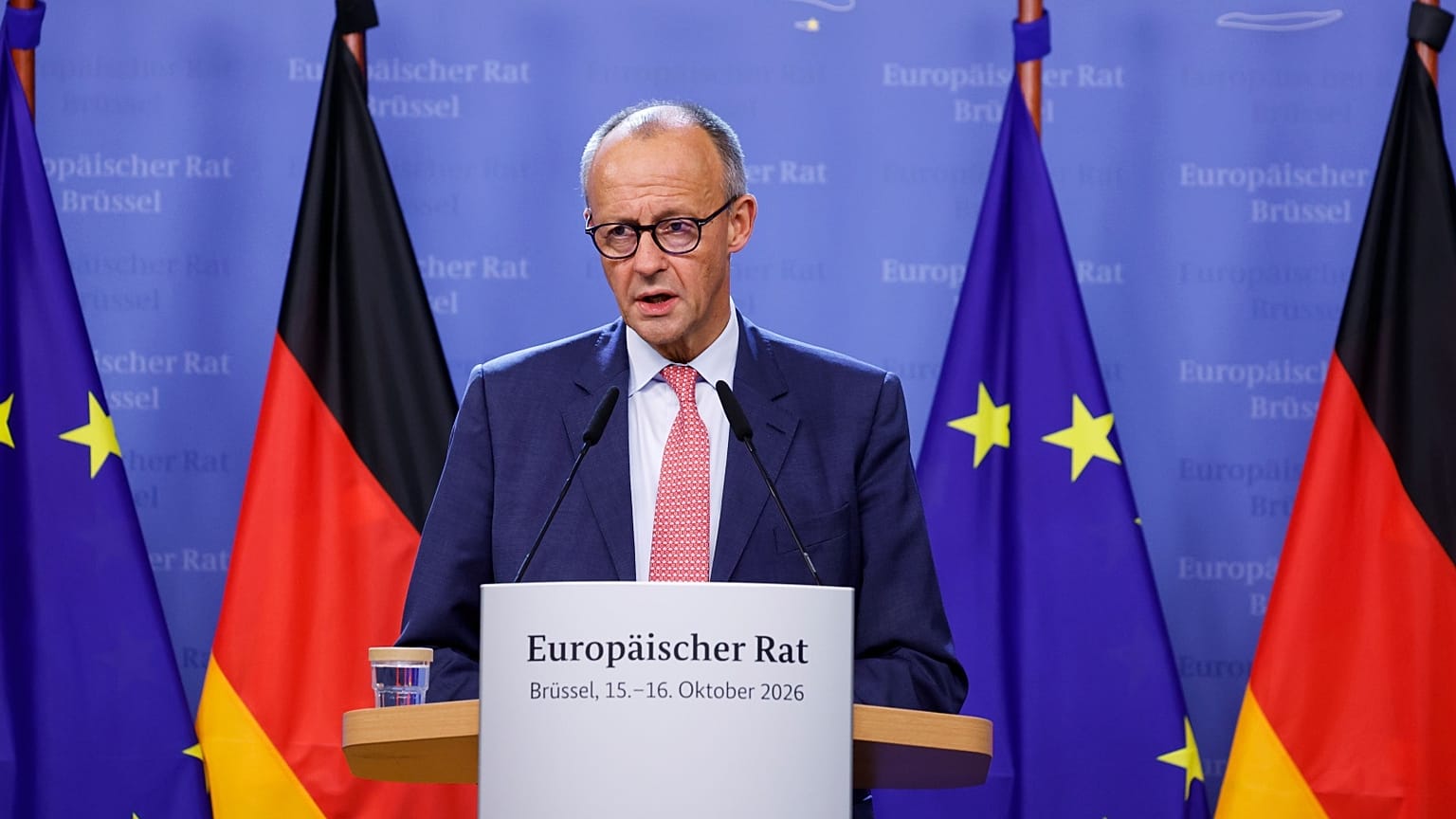
German Chancellor Friedrich Merz has linked Germany's support for the EU's upcoming seven-year budget to equitable contributions from all member states towards Ukraine's €70 billion funding gap for 2027, a situation worsened by ongoing Russian airstrikes.13
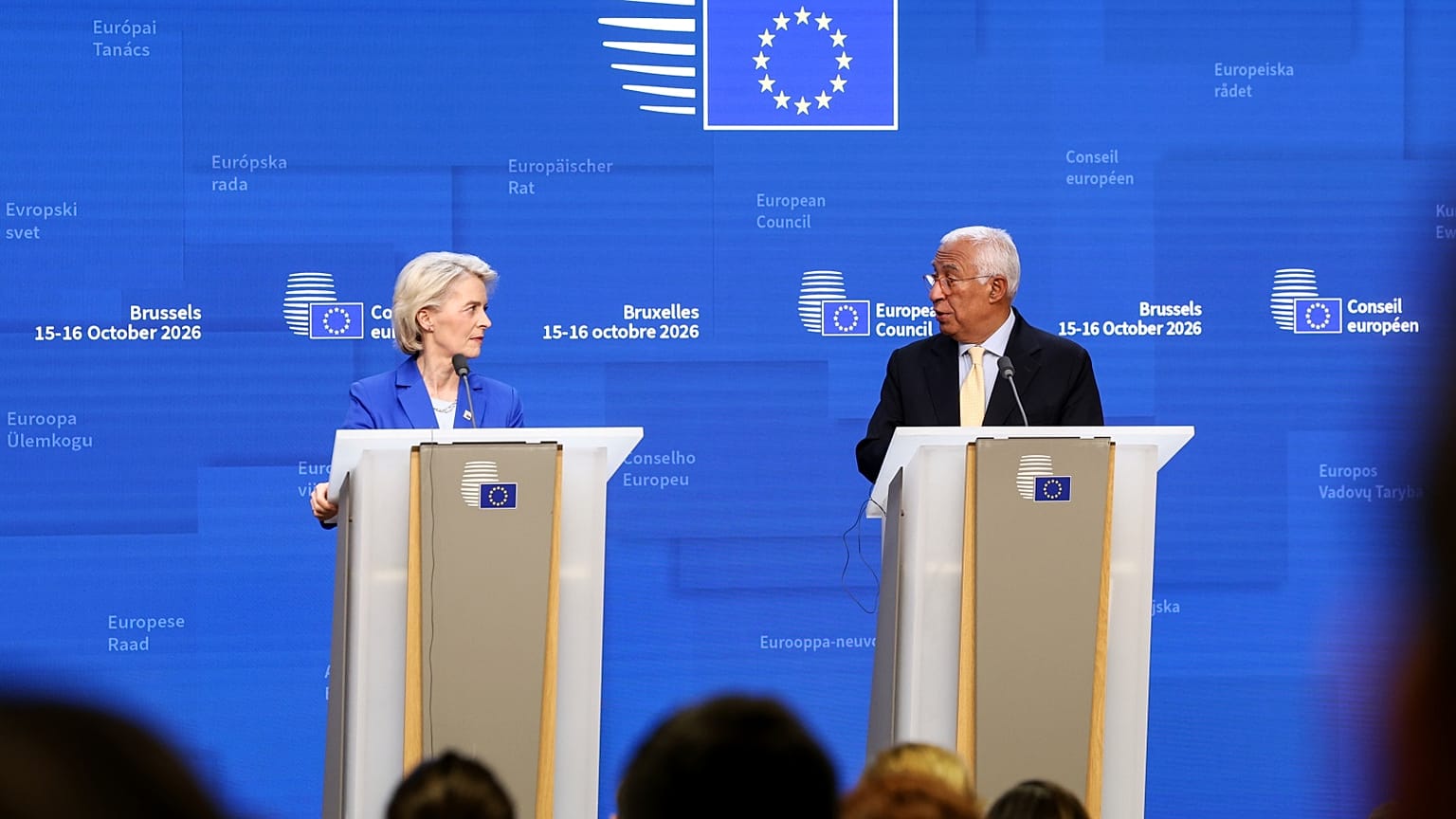
"A collective commitment that all of us, without exception, will contribute fairly to closing this gap is an essential prerequisite for resolving this issue and for discussing any further matters, particularly those with financial implications," Merz stated in a letter to European Council President António Costa.4
The EU aims to cover approximately €45 billion of this shortfall, but Merz insists that a solution must be supported by all member states to ensure a sustainable financial perspective for Ukraine beyond 2028. He has urged Costa to prioritize this issue at the upcoming informal summit in Dublin, emphasizing that "supporting Ukraine is a matter of our indivisible European security, and so must be the burden sharing for that support."25
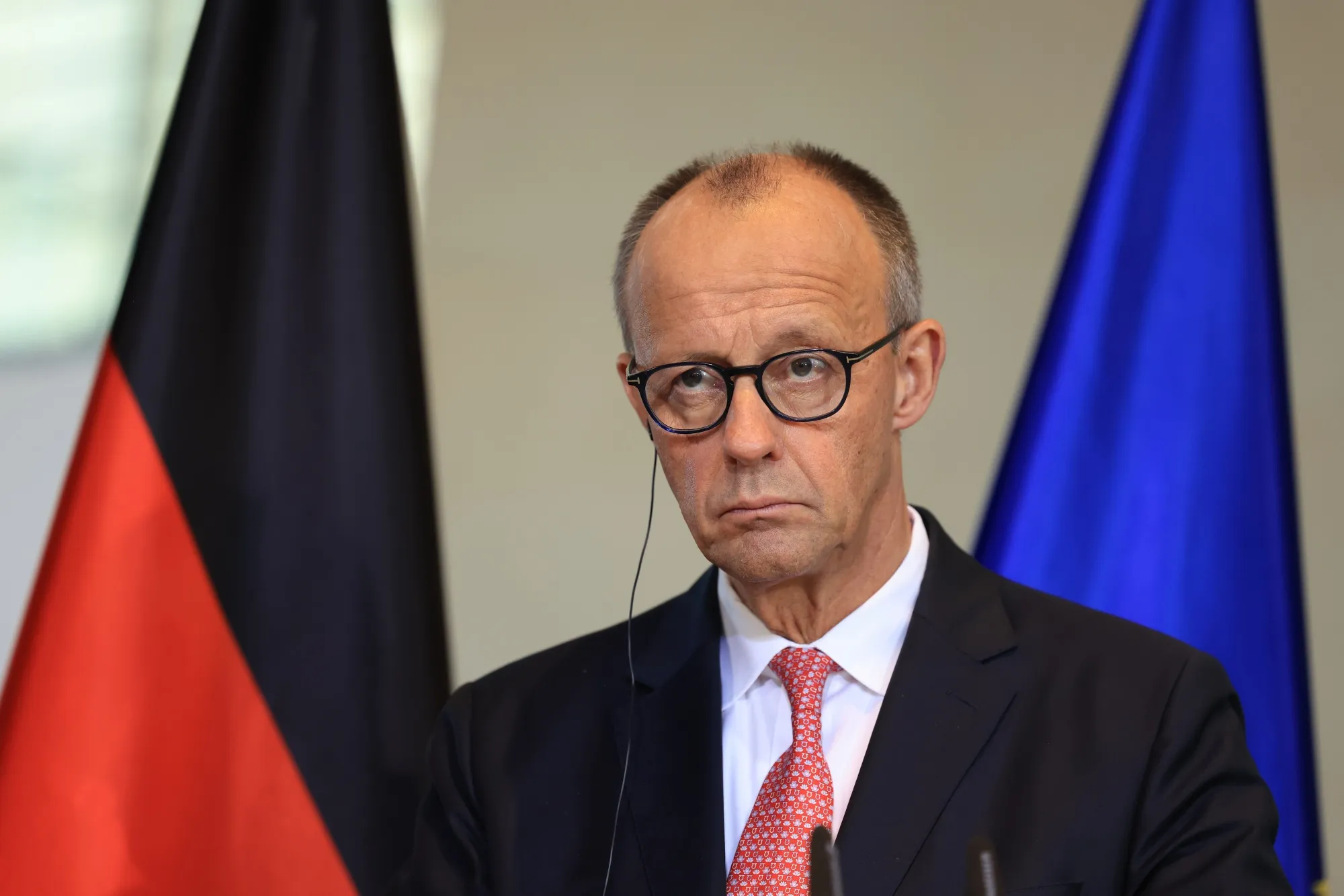
However, some officials, including Poland's deputy minister Ignacy Niemczycki, have cautioned that linking the budget discussions with Ukraine's funding could complicate negotiations. Slovak Prime Minister Robert Fico echoed these concerns, labeling the connection as "very dangerous."67
As the EU navigates these complex discussions, the urgency of addressing Ukraine's financial needs remains paramount, with the looming threat of further Russian aggression.
“The EU has pledged about €45 billion of the gap, but the instrument remains undefined, with joint debt as the frontrunner. Merz urged Costa to prioritize the matter at this week's informal Dublin summit, while Poland's deputy minister warned linking the issues could backfire.”
Euronews.com