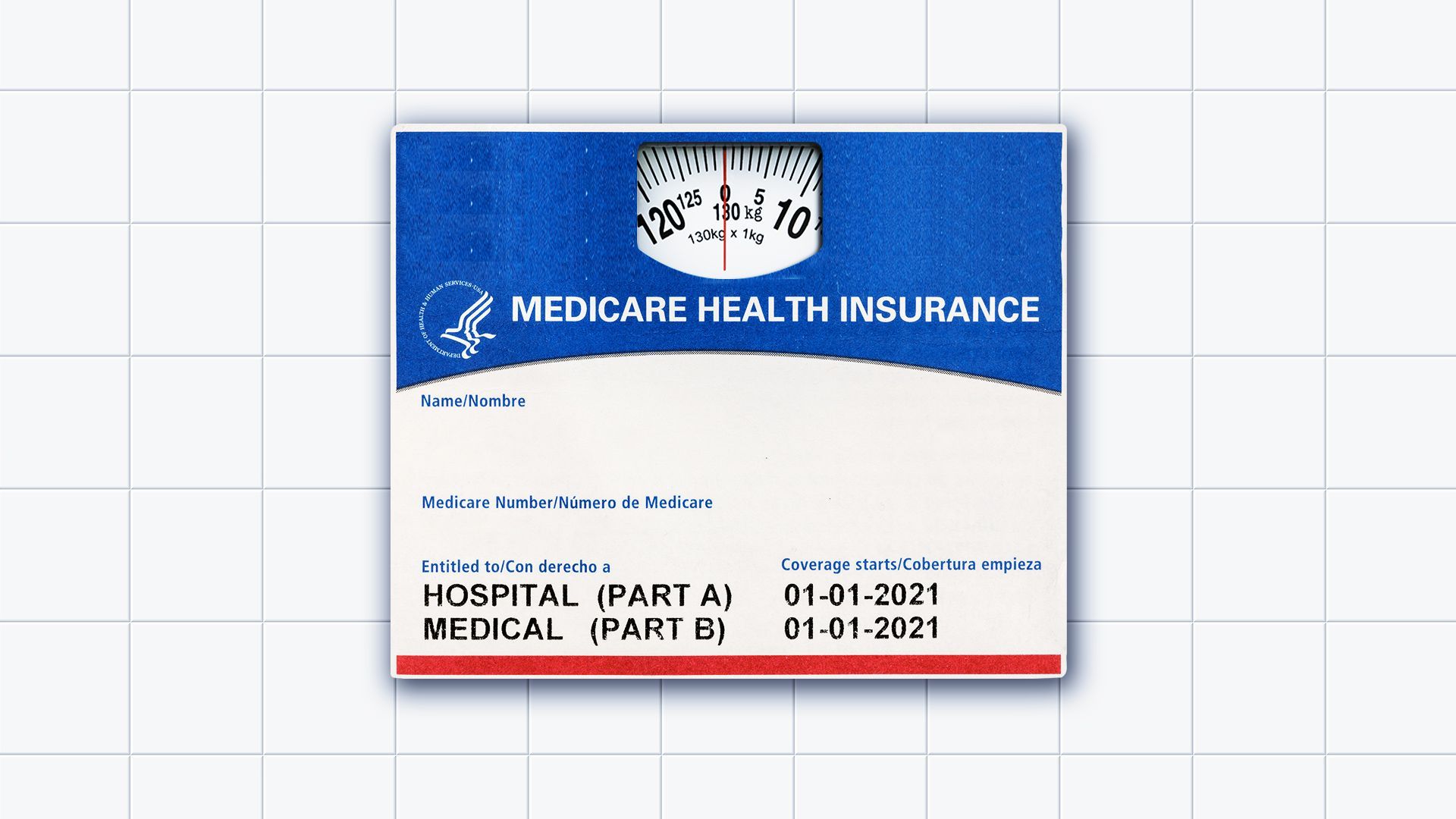
- Medicare's new weight-loss drug program is set to begin on July 1, allowing eligible beneficiaries to access GLP-1 treatments like Wegovy and Zepbound for a $50 monthly copay.
- Up to 14 million Medicare beneficiaries are overweight or obese and could qualify for the program, leading to a potential surge in demand for these medications.
- Doctors are concerned that the influx of patients seeking GLP-1 treatments could overwhelm clinics, impacting patient care and counseling.
- Clinicians worry that the program may lead to inadequate patient counseling on medication use and side effects due to the expected high volume of patients.
- Medicare has been prohibited by law from covering weight-loss drugs until now, which has limited access for many patients.
- Many seniors may face challenges as the $50 copay does not count toward their out-of-pocket caps or deductibles, potentially leading to sticker shock.
- The program runs until 2027 and is designed to provide access to weight-loss drugs for eligible Medicare beneficiaries.
Medicare's new GLP-1 Bridge program, starting July 1, aims to provide weight-loss drugs like Wegovy and Zepbound to up to 14 million beneficiaries for a $50 monthly copay. However, clinicians are concerned about the potential for overwhelming demand, which could lead to significant bottlenecks in healthcare delivery.1
The program is designed to assist those with a body mass index (BMI) of 35 or higher, or a BMI of 27 with obesity-related conditions. Christopher Weber, a board member of the Obesity Medicine Association, noted, “I have a long list of people who are just holding their breath until July 1, who just could not afford the medication before.” This sentiment reflects the anticipation among patients who have been unable to access these treatments due to cost.

Despite the affordability of the drugs, concerns remain regarding the clinical burden on healthcare providers. Annie Moore, an internal medicine doctor, stated, “In our situation we would have to double or triple our pharmacy team, and to my knowledge, that has not happened in preparation for this.” Additionally, the program does not cover nutrition and behavioral support, which are often essential for effective weight management.

As the program rolls out, beneficiaries may face sticker shock when they realize that the $50 copay does not count toward their out-of-pocket caps or deductibles, according to KFF's Juliette Cubanski. This could limit the program's effectiveness for those on fixed incomes, raising questions about the long-term sustainability of such initiatives.
The Medicare GLP-1 Bridge program is set to run until the end of 2027, but the immediate impact on healthcare systems and patient care remains a critical concern.
“Medicare's new program allows eligible beneficiaries to access GLP-1 weight-loss drugs for a $50 monthly copay starting July 1. Doctors are concerned about the potential influx of patients and the strain on clinics as demand surges.”
