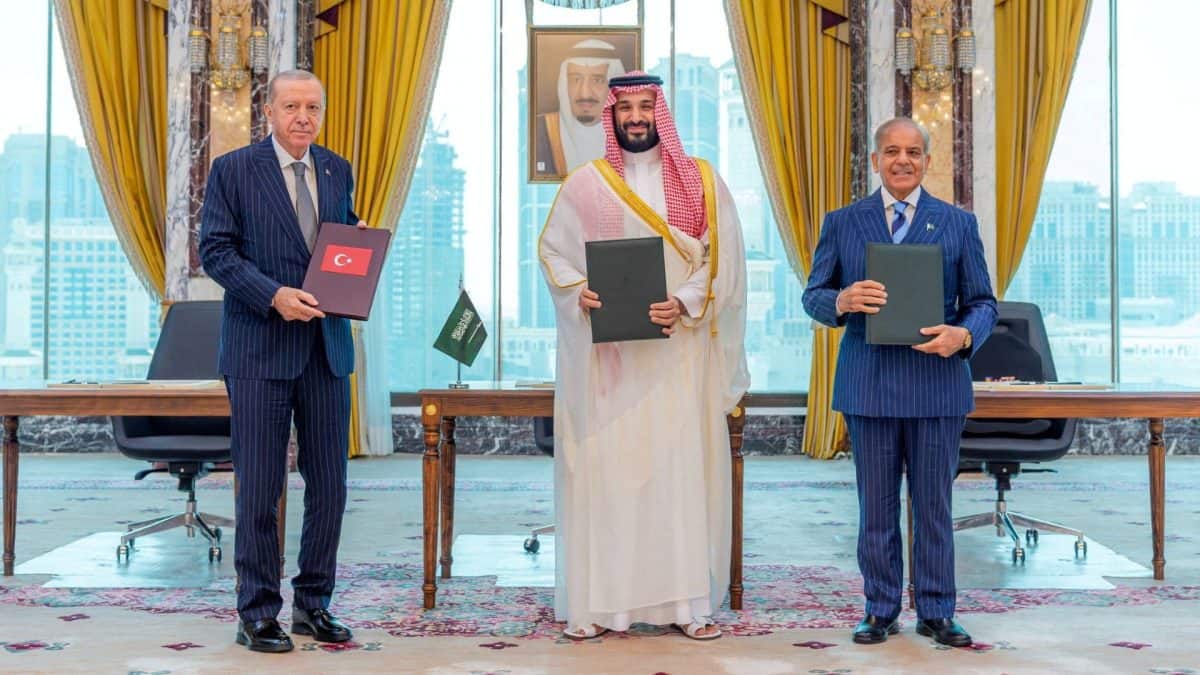
- The Mecca Joint Defence Agreement between Saudi Arabia, Turkey and Pakistan, signed on August 7, 2026, in Mecca, has not released its text, and its joint statement and press release are deliberately light on details.
- The Mecca Agreement's principal objective is deterrence, but it failed within 48 hours when Houthis fired projectiles at the Aramco oil refinery in Jazan, and neither Turkey nor Pakistan rushed to Saudi Arabia's defence.
- The Mecca Agreement is seen as reducing America's military commitment in West Asia, but US President Donald Trump has endorsed it, and the US maintains 19 military bases and nearly 50,000 personnel under CENTCOM in the Gulf, indicating no reduction.
- In India, concern over the Mecca Agreement is unjustified because it is a defence pact; during Operation Sindoor, Turkey's weaponry was used unsuccessfully by Pakistan, and Saudi Arabia maintained silent neutrality.
- Saudi Arabia struggles to defend itself against Iranian and Houthi attacks; it commissioned Raheel Sharif in 2015 to lead an Islamic force in the Yemen civil war, which remains unresolved after 11 years, and the Houthis remain potent.
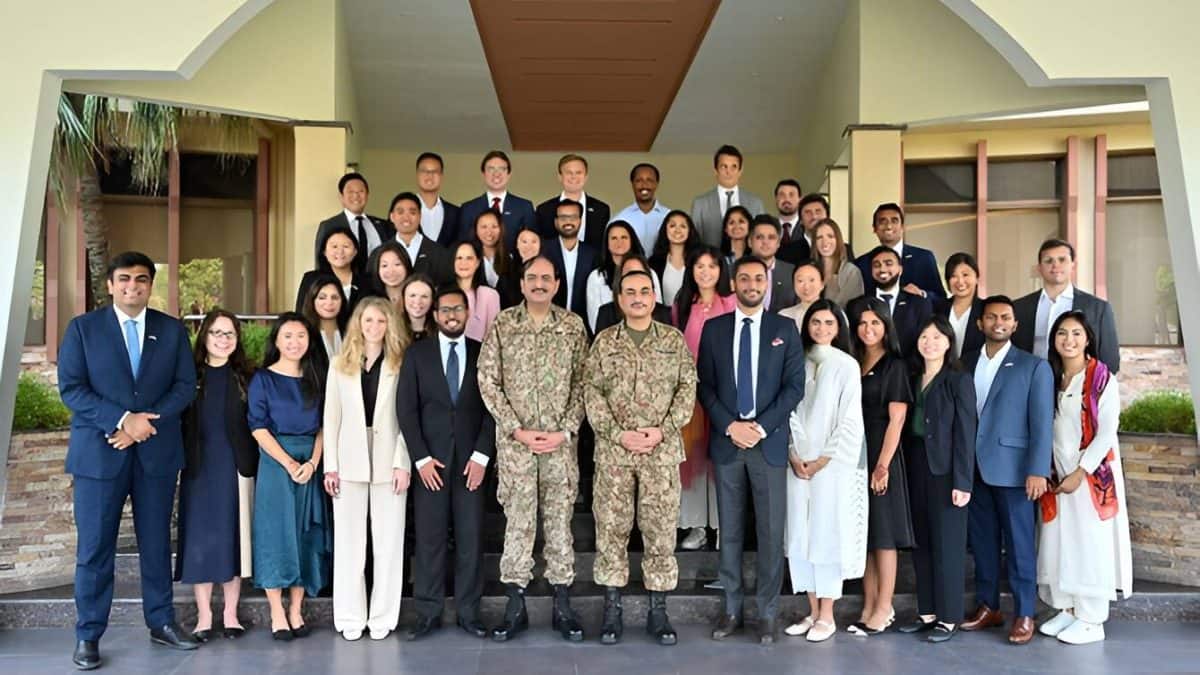
- Pakistan treats the Mecca Agreement as an added arrow against India after its defeat in Operation Sindoor, following the Pahalgam terrorist attack that killed 25 Indian tourists and one local guide; Army Chief Asim Munir has positioned himself as a peacemaker and signed crypto deals with Trump's sons.
- Pakistan is beset with internal strife: PoK is in revolt, BLA is striking targets, Sindh and KPK are in ferment, and the incarceration of Imran Khan has alienated the middle class; for Munir and Shehbaz Sharif, the Mecca Agreement places Pakistan as a security guarantor and the only Muslim nuclear power.
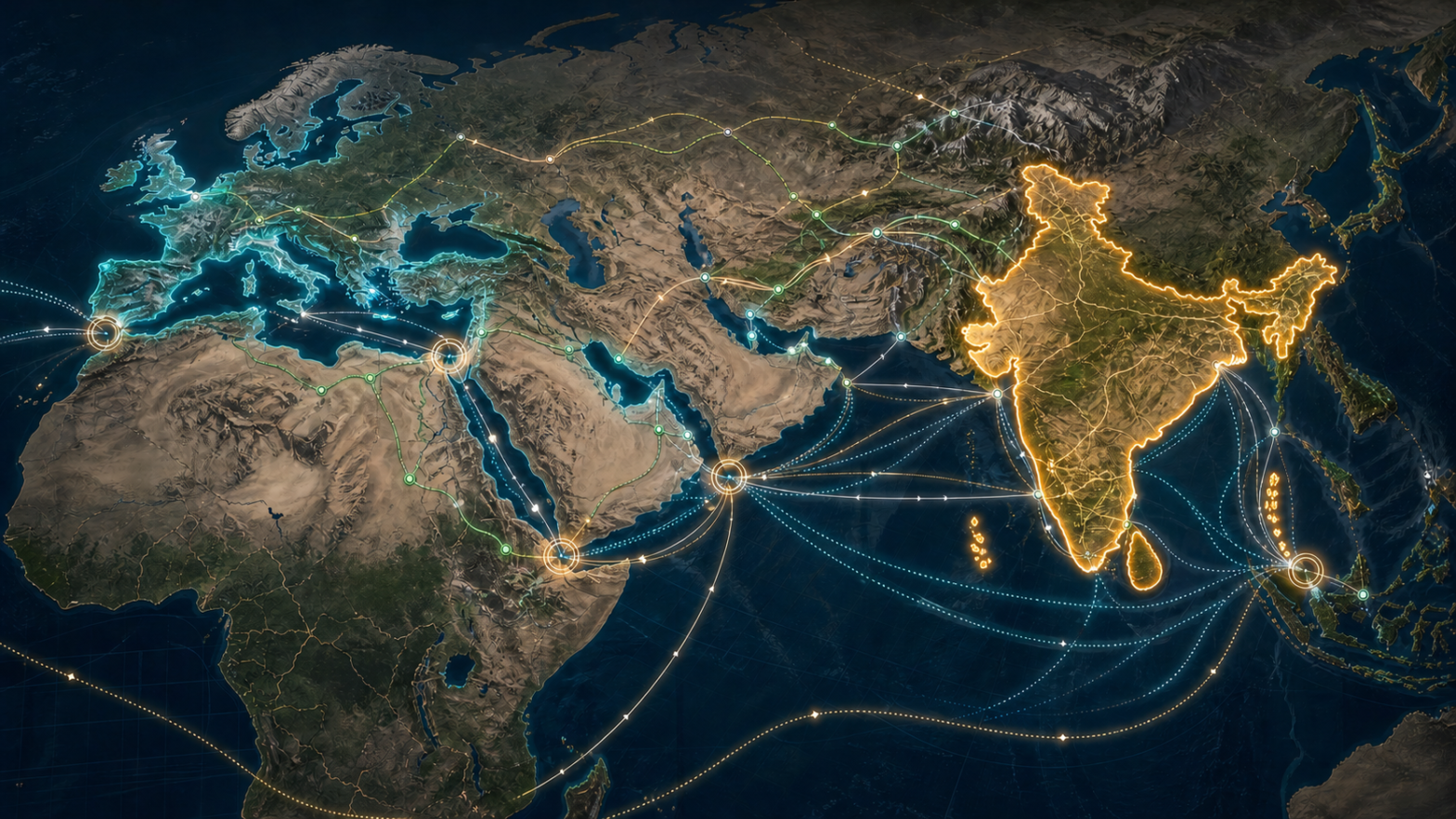
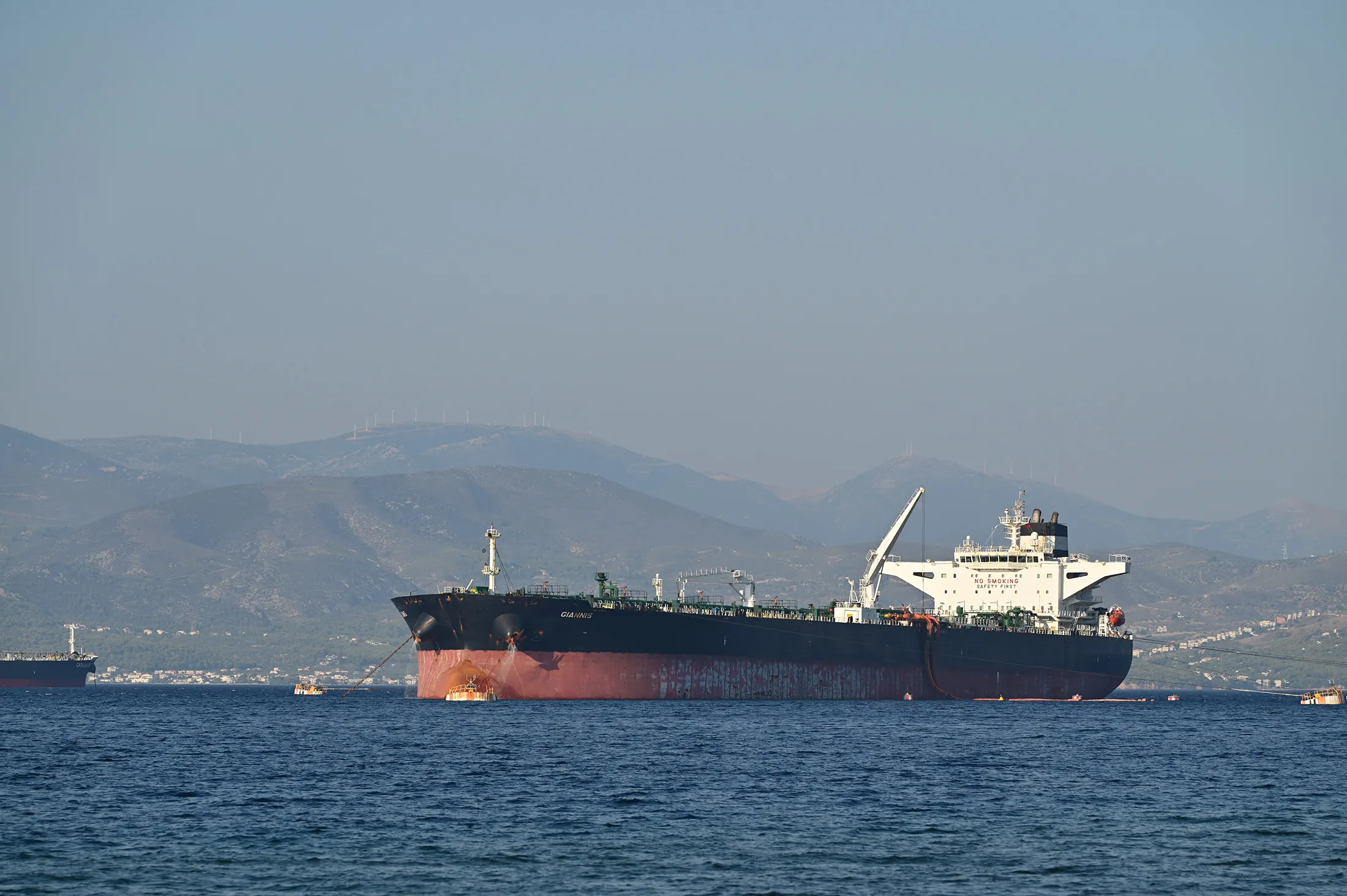
- The Mecca Agreement is unlikely to impact the 9.6 million Indians in West Asia; what impacts them is the US-Israel-Iran war, which has led to attacks on Indian ships and loss of seafarer lives, though Gulf remittances have held firm, now accounting for 38-40% of $145 billion in annual global remittances.
The Mecca Joint Defence Agreement, signed on August 7, 2026, aimed to deter Iranian and Houthi aggression but faltered quickly when the Houthis attacked the Aramco refinery in Jazan just 48 hours later.123410
The agreement, involving Saudi Arabia, Turkey, and Pakistan, has been criticized for its lack of effectiveness. Did Turkey or Pakistan rush to Saudi Arabia’s defence? Clearly not. The pact's objectives appear limited, focusing on deterrence without direct military support from its signatories.891112131415
America's military presence remains significant, with 19 bases and nearly 50,000 personnel in the Gulf, indicating that the U.S. will continue to play a central role in regional security despite the agreement.567
Concerns in India regarding the Mecca Agreement's implications for future conflicts with Pakistan are largely unfounded, as Turkey and Saudi Arabia are unlikely to intervene in a potential India-Pakistan war.161718
Pakistan's Army Chief Asim Munir has leveraged the agreement to position Pakistan as a key player in West Asia, despite internal turmoil and challenges, including unrest in Pakistan-occupied Kashmir and the Balochistan Liberation Army's activities.
More than 9.6 million Indians work in West Asia, and while the ongoing U.S.-Israel-Iran conflict has affected shipping routes, remittances from the Gulf have remained robust, accounting for a significant portion of India's global remittances.
“The pact's deterrence objective collapsed within 48 hours when Houthis struck Jazan, and neither Turkey nor Pakistan intervened. Meanwhile, the US maintains 19 military bases and nearly 50,000 personnel under CENTCOM, signaling no reduction in American commitment despite the agreement.”
 firstpost.com