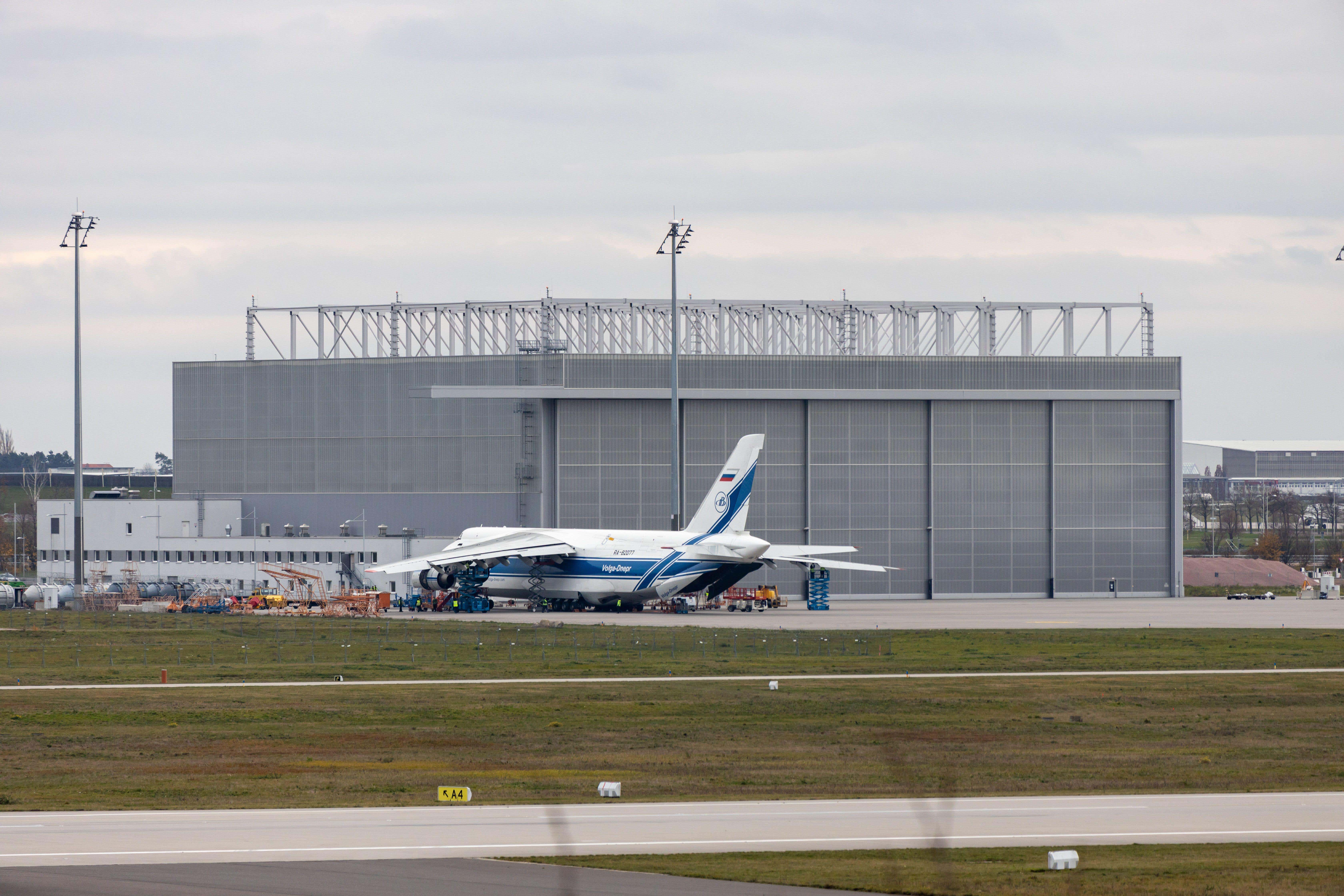
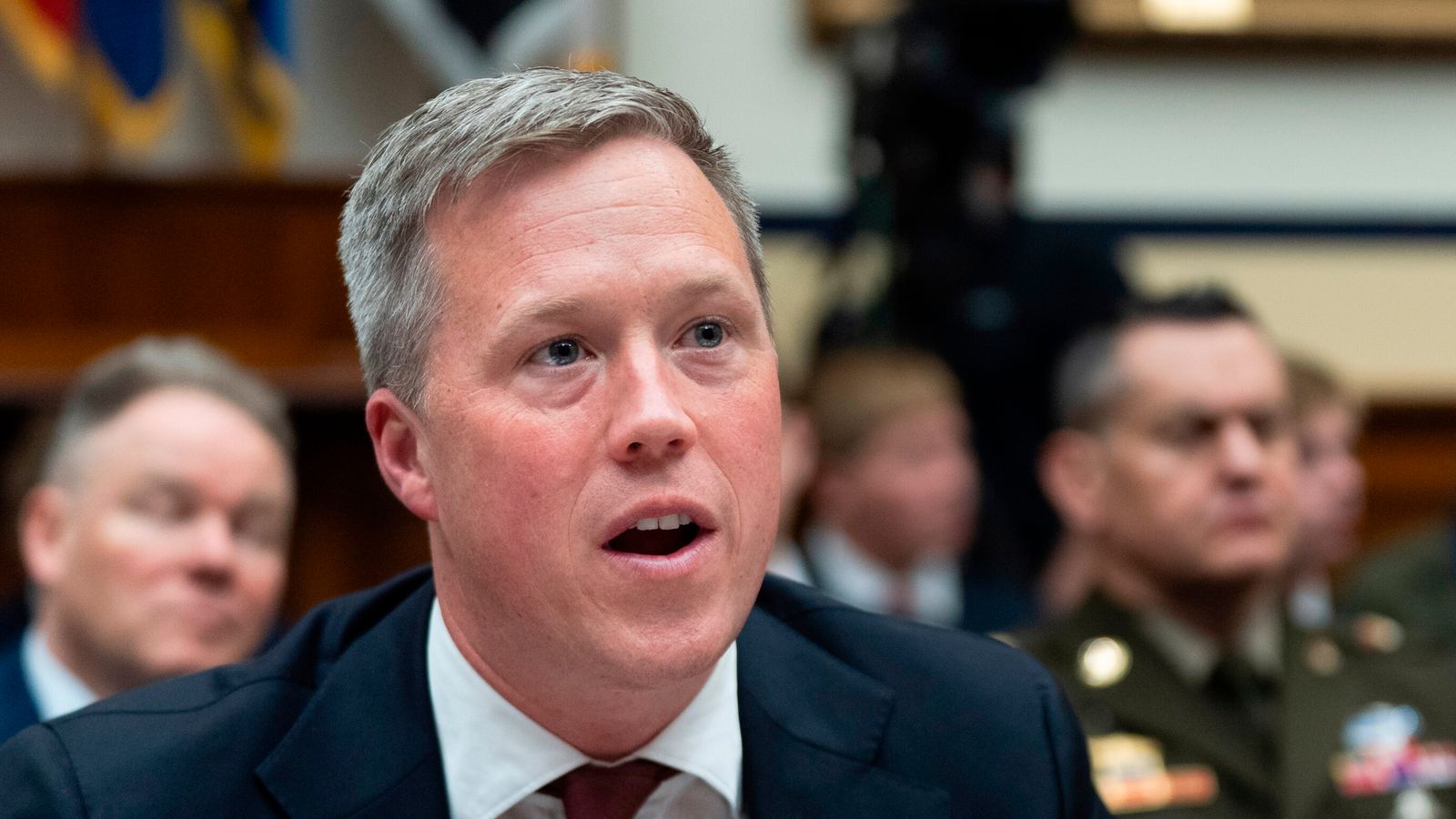
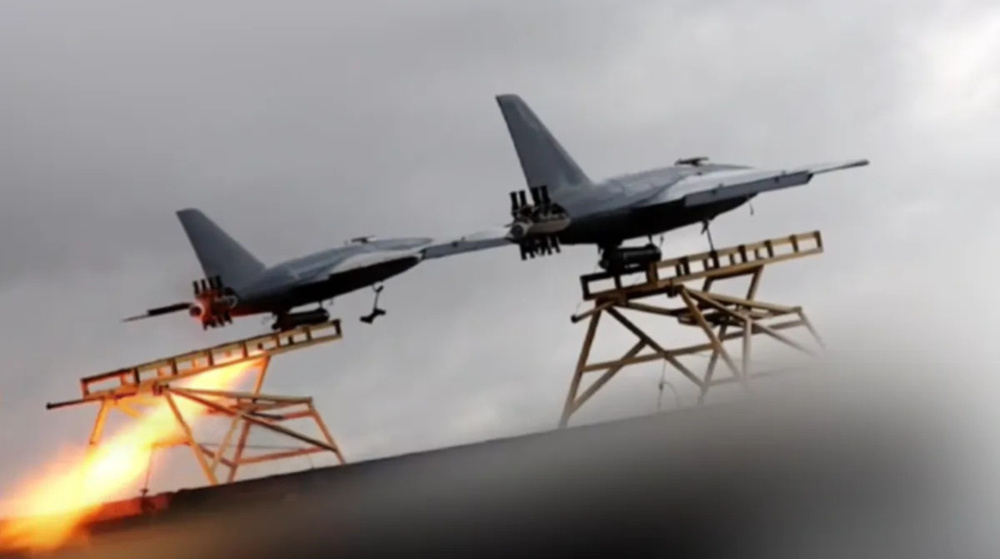
- Minister for Foreign Affairs Helen McEntee has described Russia's alleged involvement in last month's drone attack on a German airport as an attempt to "divide" EU views on the war in Ukraine.
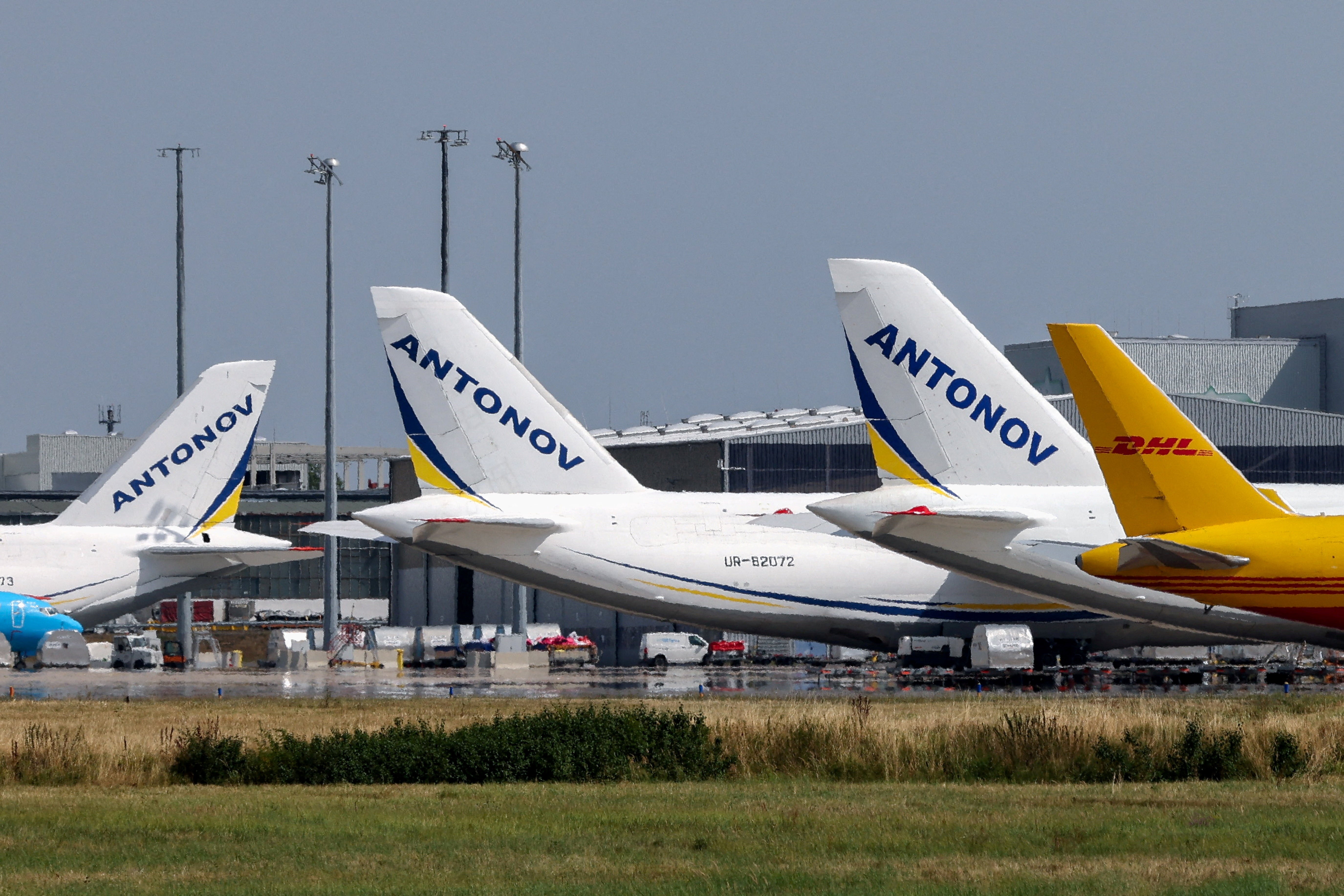
- McEntee stated: "Russia's attempted drone attack at Leipzig airport is part of a clear trend."
- The situation is certain to be raised at the EU member states' foreign ministers meeting in Wicklow today.
- Eleven member states wrote to the EU's high representative, Kaja Kallas, proposing that future foreign policy decisions be decided by a simple majority to avoid single-state blocking.
- McEntee added: "Russia is attempting to divide us and weaken our support for Ukraine. It will not succeed."
- Today's meeting will also involve a discussion on what economic support Ukraine will need into winter.
- EU foreign ministers will debate sanctions on Israel over the conflict in Gaza and the EU's position in the US-Iran stand-off over the Strait of Hormuz.
- The member states - Austria, Denmark, Belgium, Finland, France, Germany, Luxembourg, the Netherlands, Romania, Spain and Sweden - acted after the initial blocking of funding for Ukraine by former Hungarian leader Viktor Orbán last year.
Minister for Foreign Affairs Helen McEntee has characterized Russia's recent drone attack on Leipzig airport as a strategic move to weaken EU unity regarding support for Ukraine. She stated, "Russia is attempting to divide us and weaken our support for Ukraine. It will not succeed."12
This assertion comes as EU foreign ministers convene in Wicklow to address critical issues, including economic support for Ukraine as winter approaches. The meeting is expected to cover the sanctions on Israel related to the Gaza conflict and the EU's stance on the US-Iran tensions over the Strait of Hormuz.7
The discussions are particularly timely, as 11 EU member states have urged a shift towards a simple majority for foreign policy decisions to prevent any single nation from obstructing necessary actions. This move follows previous challenges, notably the blocking of funding for Ukraine by Hungary's former leader, Viktor Orbán.48
The situation surrounding the drone attack is expected to be a focal point of the discussions, highlighting the ongoing geopolitical challenges faced by the EU in maintaining a cohesive foreign policy amidst external pressures.
“The EU foreign ministers' meeting in Wicklow will also discuss economic support for Ukraine into winter and potential sanctions on Israel over Gaza. Eleven member states, including Germany and France, have proposed a simple majority voting system to prevent single-state blocking after Orbán's funding veto.”