- In 2026, the dynamics were clear: Democratic incumbents appeared more vulnerable than usual, while Republicans with President Trump’s endorsement had a major advantage in their primaries.
- Boston Mayor Wu endorsed opponents of two incumbent Democratic state senators, but her proxies appear to lose both contests.
- Turnout in the Democratic Senate primary dropped nearly 40 percent compared to 2020, from over 1.4 million to around 858,000 votes.
- Despite the losses, Wu's actions serve as a warning shot for other legislators, giving them an additional reason not to cross her.
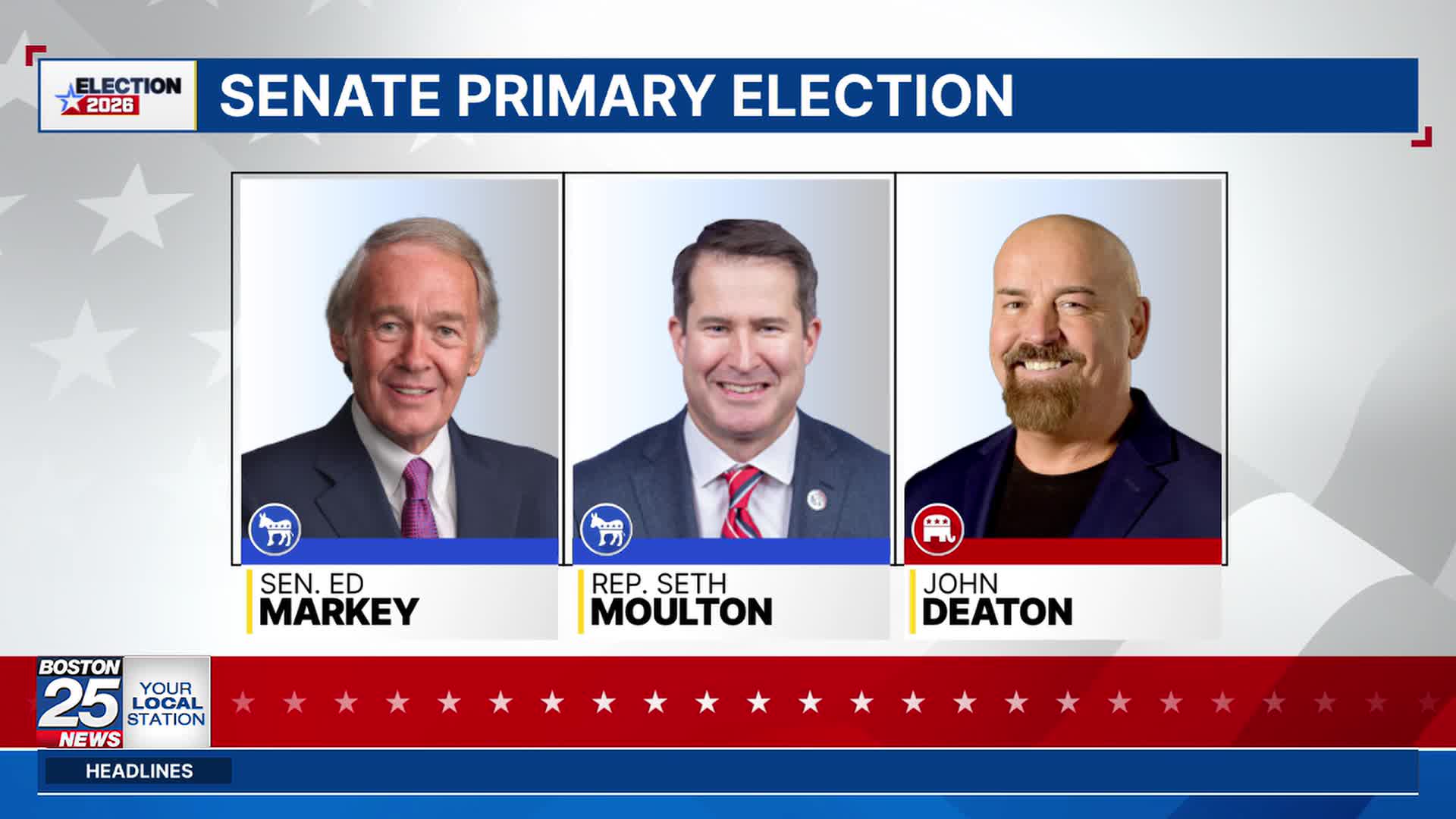
Massachusetts primary results indicate a significant shift in the political landscape, with Democratic incumbents facing increased vulnerability and Trump-endorsed Republicans gaining traction. Notably, Representative Seth Moulton challenged Senator Ed Markey, highlighting the generational divide within the party.1
Despite a national trend favoring younger candidates, Massachusetts incumbents largely retained their positions, with longtime Representatives Stephen Lynch and Richard Neal fending off progressive challengers. The 2020 Democratic Senate primary saw over 1.4 million voters, while this year's turnout dropped to around 858,000, a nearly 40 percent decrease.4
In Boston, Mayor Wu endorsed challengers against two incumbent state senators, but her proxies are projected to lose. This outcome serves as a warning to future incumbents that opposing Wu could complicate their re-election efforts. As all other state senate incumbents secured re-election, Wu's influence is becoming a significant factor for legislators on Beacon Hill.
The results suggest a complex interplay of age, incumbency, and party loyalty, raising questions about the future of Democratic leadership in Massachusetts.
“Turnout in the Democratic Senate primary fell nearly 40 percent from 2020, dropping from over 1.4 million to about 858,000 votes. Wu's losses serve as a warning to other legislators, as all other state senate incumbents cruised to re-election.”
 The Boston Globe