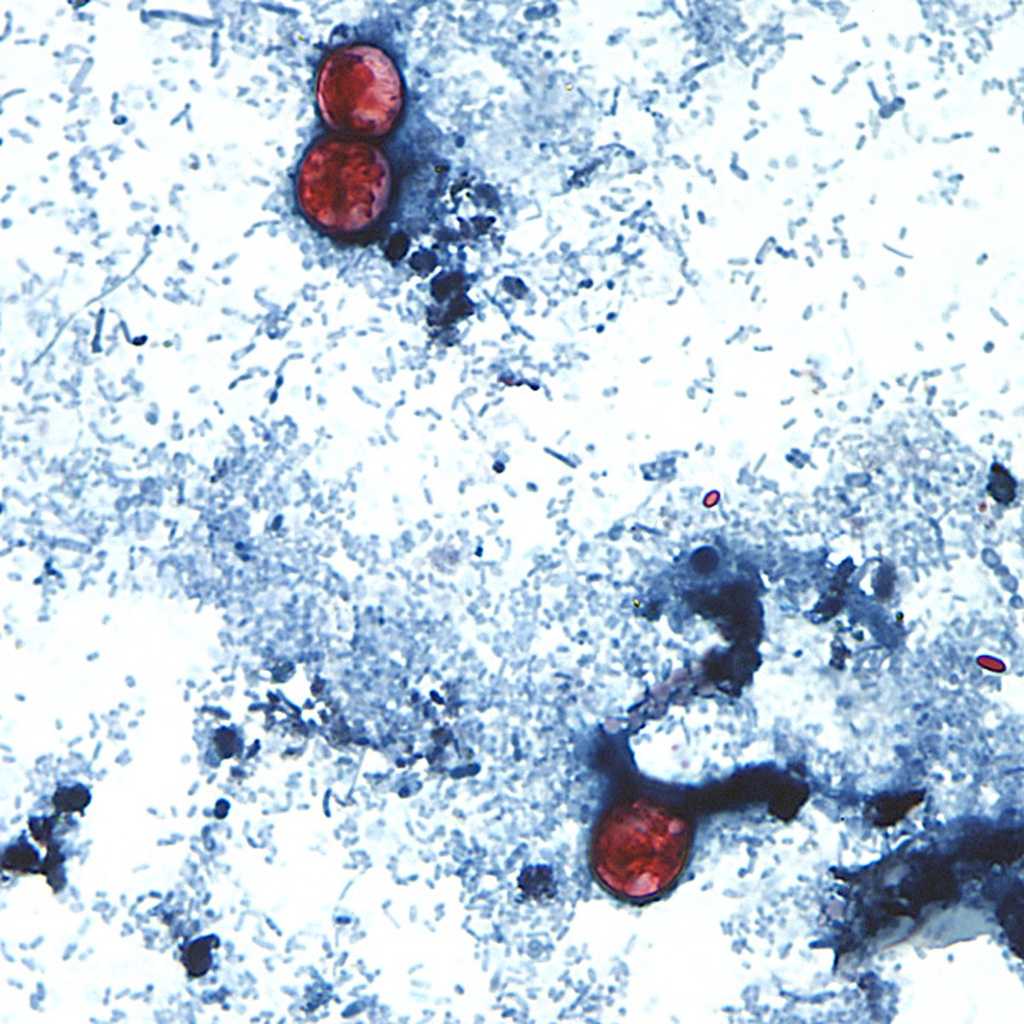
- Maryland health officials report a total of 69 cases of cyclosporiasis this year, which is more than double the 32 confirmed cases reported just a week ago.
- 65 of the cases occurred between May 1 and July 14.
- The current outbreak of cyclosporiasis in Maryland is notable for the sheer number of cases reported in a very short period of time.
- Typically, Maryland sees only a few cases each year of cyclosporiasis.
- Symptoms of cyclosporiasis can appear 1 to 14 days after consuming contaminated food or water.
- While cyclosporiasis can cause uncomfortable symptoms, it is generally not life-threatening.
- There is an antibiotic treatment available that can shorten the duration and lessen the severity of symptoms if diagnosed.
Maryland health officials have confirmed a troubling surge in cyclosporiasis cases, reporting 69 infections this year, up from 32 just a week ago. This rapid increase, with 65 cases occurring since May 1, has alarmed public health experts.124
Typically, Maryland sees only a few cases annually, making this outbreak particularly concerning. Symptoms of cyclosporiasis, which can arise one to 14 days after consuming contaminated food or water, include gastrointestinal distress but are generally not life-threatening.
Health officials noted, “What’s been quite startling with the current outbreak is the sheer number of cases in a very short period of time.” While the illness can cause discomfort, there is an antibiotic treatment available that can alleviate symptoms and shorten their duration.8
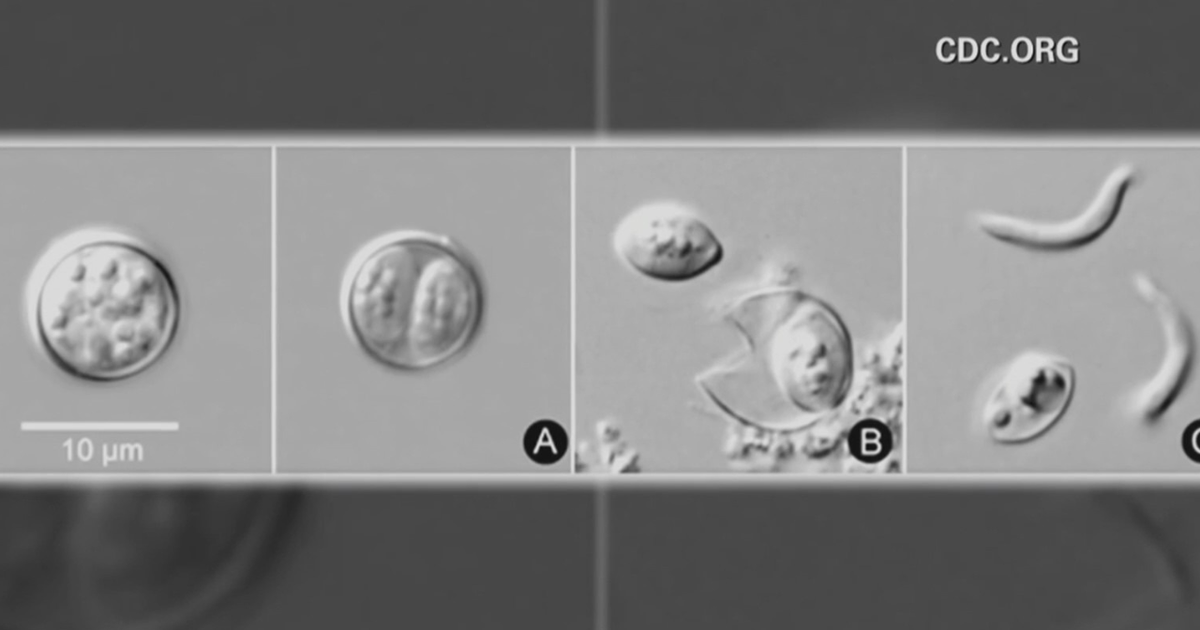
As the situation develops, health officials are urging the public to remain vigilant about food safety practices to prevent further spread of the illness.
“The Maryland Department of Health confirmed that 65 of the 69 cases occurred since May 1, indicating a rapid increase in infections. Symptoms typically appear one to 14 days after consuming contaminated food or water, but the illness is generally not life-threatening.”

 WBAL-TV
 The Baltimore Banner
 CBS News



