- Interim policy recommendations have been advanced by the Marriage and Parenthood Reset Workgroup, chaired by Indranee Rajah, to address falling birth rates in Singapore, as announced on Aug 15.
- Prime Minister Lawrence Wong is set to share more details regarding these recommendations at the National Day Rally on Aug 23.
- The Marriage and Parenthood Reset Workgroup was formed in April to support Singaporeans navigating marriage and parenthood, focusing on issues like financial costs, work-life support, and childcare.
- The workgroup has engaged with Singaporeans to identify challenges such as the cost of raising children and the need for family time.
The Marriage and Parenthood Reset Workgroup in Singapore is taking proactive steps to combat the nation’s declining birth rates, which fell to a record low of 0.87 last year. The workgroup, formed in April, aims to support Singaporeans in navigating marriage and parenthood.3
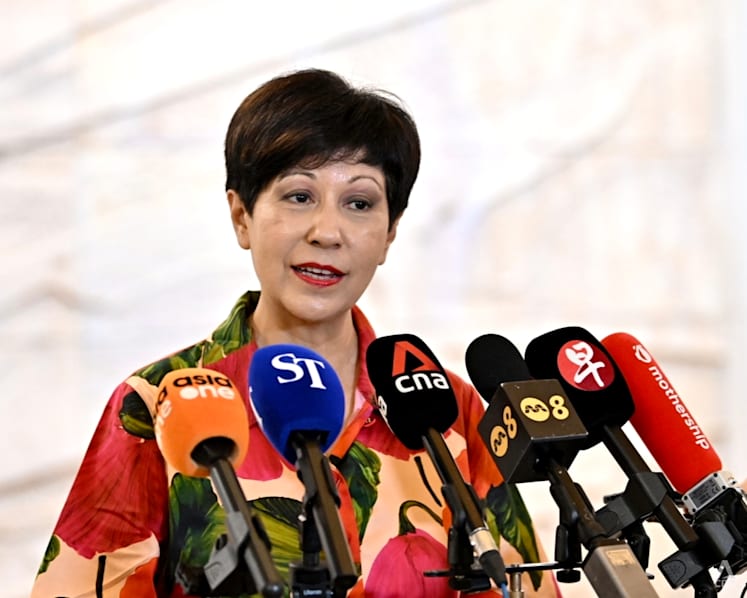
Minister in the Prime Minister’s Office, Indranee Rajah, highlighted that the workgroup has identified key challenges such as the cost of raising children, housing, and work-life balance. She stated, “What is clear is that many do aspire to get married and have children. But at the same time, they encounter challenges including the cost of raising children, the need for time with family, caregiving arrangements, and housing.”4
The workgroup has proposed interim recommendations to address these issues, including a fresh look at affordable childcare and financial support for families. Rajah emphasized the urgency of these measures, stating, “We are not content to sit back and do nothing. We will do all we can to make marriage and parenthood more achievable, supported and valued in Singapore.”
The upcoming National Day Rally on August 23 will reveal more details, marking the “first wave” of initiatives aimed at reversing the declining trend in marriage and birth rates. Rajah noted that the total number of marriages registered last year was 24,700, a 6.2 percent decrease from 2024, while live births dropped by 11.4 percent to fewer than 30,000 for the first time in 60 years.2
“What we must do at a national level is to build a Singapore where families are supported and cherished. Everyone has a role to play in this,” Rajah concluded.
“Singapore's total fertility rate hit a record low of 0.87 last year, with fewer than 30,000 live births in 2025, the first time in 60 years. Indranee stressed that reversing the decline requires a 'whole-of-nation effort' beyond government policies.”




