- Malaysia and Indonesia have agreed to step up measures to tackle transboundary haze as Putrajaya gears up for National Day celebrations amid unhealthy air quality levels linked to fires in neighbouring Indonesia.
- Malaysia's Department of Environment has activated the National Open Burning Action Plan and National Haze Action Plan to coordinate government agencies' efforts in response to the haze situation.
- As of 9am on Wednesday (Aug 26), sixteen areas in Malaysia recorded unhealthy Air Pollutant Index (API) readings.
- Malaysia's 69th National Day celebration is scheduled for Aug 31 at Dataran Putrajaya.
- The El Nino phenomenon is expected to intensify towards October 2026, coinciding with the Southwest Monsoon, prompting both nations to commit to enhanced prevention and early suppression measures.
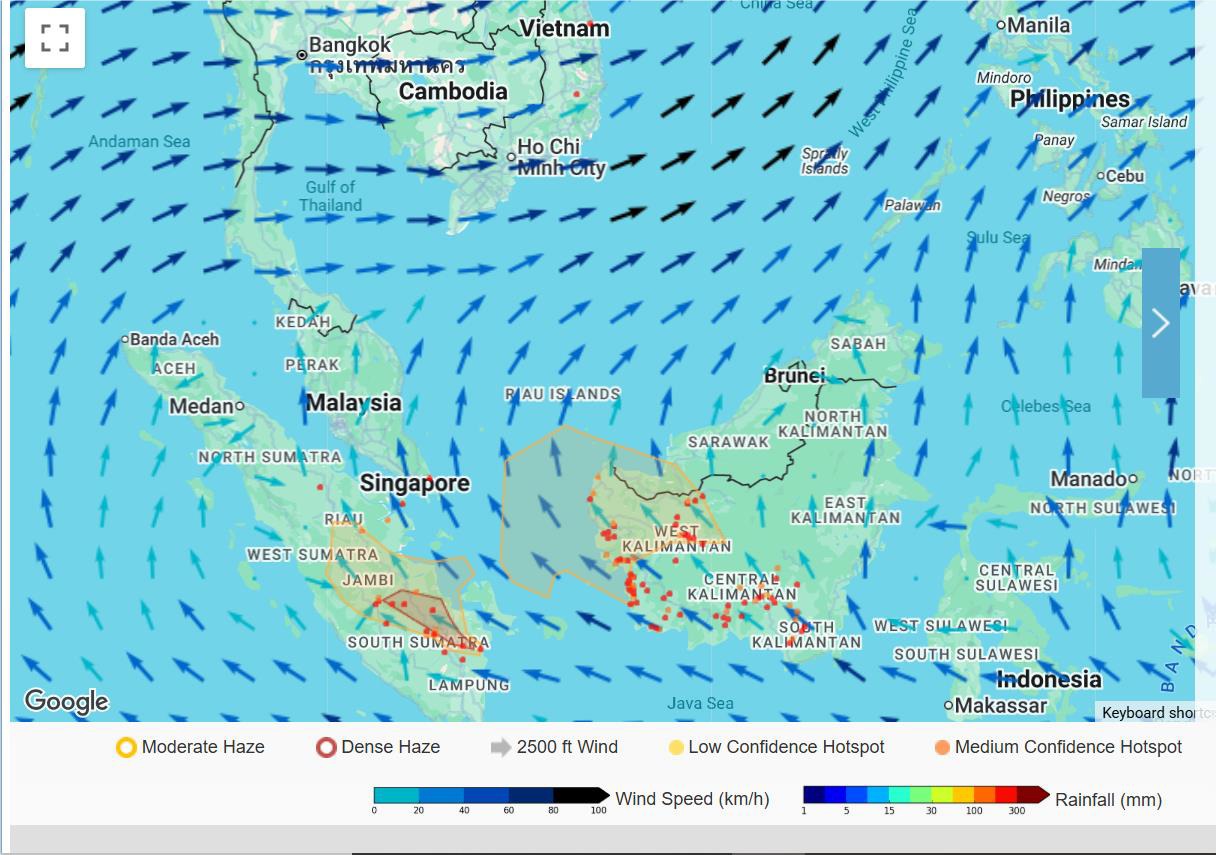
- Sarawak, which borders Indonesia’s Kalimantan on Borneo island, has been worst hit by the haze, with three areas reporting unhealthy air quality.
- In Kuala Lumpur, the API levels were reported at 159 in Cheras and 158 in Putrajaya, indicating unhealthy air quality.
- The Department of Environment cited the movement of haze from various directions for the increase in areas with unhealthy air quality along the west coast of Peninsular Malaysia and in several areas of Sarawak.
Malaysia and Indonesia are intensifying efforts to address transboundary haze, with 16 areas in Malaysia reporting unhealthy air quality levels, particularly in Sarawak, where API readings reached 166. The haze is attributed to fires in Indonesia, prompting Malaysia's Natural Resources and Environmental Sustainability Minister Arthur Joseph Kurup to announce enhanced cooperation with Indonesia.1
During a recent phone call with Indonesian counterpart Jumhur Hidayat, both nations committed to ramping up prevention and suppression measures, especially with the El Nino phenomenon expected to worsen conditions. Arthur stated, “Malaysia acknowledges and endorses the expeditious measures undertaken by the Indonesian government” to mitigate forest and land fires.5
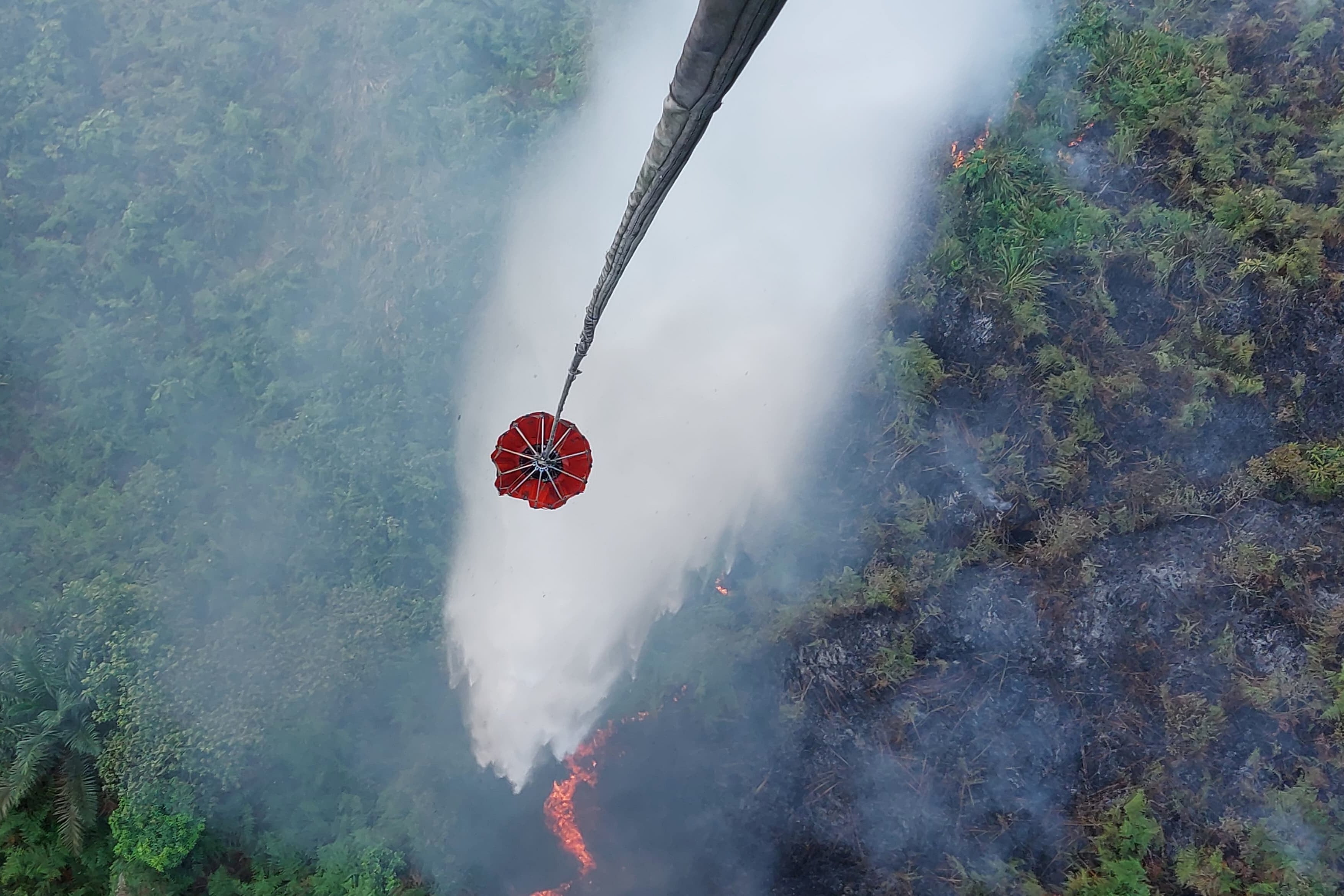
Indonesia's response includes deploying an additional 1,500 personnel from the National Armed Forces and utilizing high-capacity helicopters for water bombing missions. Malaysia's National Disaster Management Agency is coordinating with Indonesian forces to synchronize operations.
In preparation for the National Day celebrations on August 31, Malaysia has activated its National Open Burning Action Plan and National Haze Action Plan, which mandates suspending outdoor activities when API readings exceed 100 and closing schools when readings surpass 200.2
As the haze situation develops, Malaysia remains ready to assist Indonesia in extinguishing the fires, pending Cabinet approval.
“The agreement follows a phone call between ministers Arthur Joseph Kurup and Jumhur Hidayat, with Indonesia mobilizing 1,500 additional military personnel and deploying helicopters for water bombing. Sarawak, bordering Kalimantan, remains worst hit, with Sri Aman recording an API of 166.”