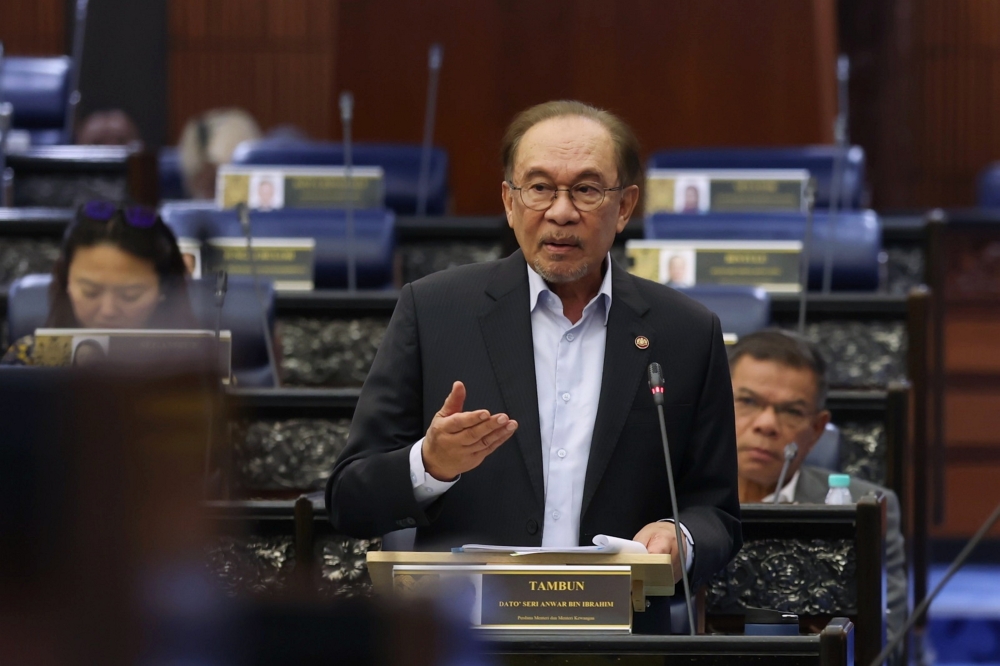
- Prime Minister Datuk Seri Anwar Ibrahim warned that Malaysia faces increasing cyber threats and geopolitical tensions, prompting the government to take proactive measures to strengthen preparedness.
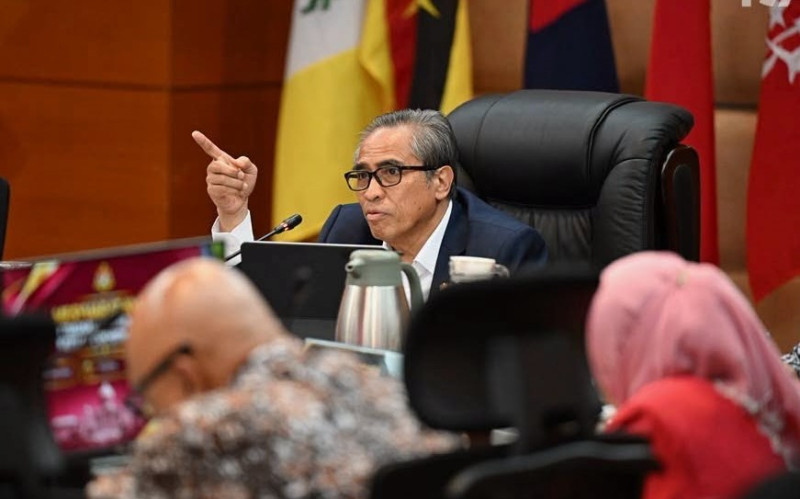
- Chief Secretary to the Government Tan Sri Shamsul Azri Abu Bakar announced that all ministries must review their Business Continuity Plans (BCPs) to ensure critical public services can continue during disruptions.
- National security risk assessments must now account for non-conventional threats, including cyberattacks, sabotage, disinformation and disruptions to supply chains.
- Ministries have been instructed to enhance inter-agency coordination, information sharing, and clarify responsibilities to ensure swift responses to potential threats.
- The BCP reviews aim to ensure critical government functions can continue if communications, energy, transportation systems or other essential facilities are disrupted.
- The measures align with Anwar's statement in Parliament, where he emphasized the need for adequate supplies of food, water and energy amid global uncertainties.
- Anwar noted that several countries, including the European Union, Canada, and Japan, have advised their citizens to maintain basic food supplies for between three and 10 days due to potential international crises.
- He highlighted that international crises could have direct implications for Malaysia's public safety and economic stability.


Malaysia's Prime Minister Anwar Ibrahim has mandated a review of Business Continuity Plans (BCPs) across all ministries to bolster national security amid escalating global tensions.3
Chief Secretary Tan Sri Shamsul Azri Abu Bakar highlighted the need for assessments to include non-conventional threats such as cyberattacks and supply chain disruptions.4
Anwar's directive follows warnings from cybersecurity experts about the increasing risks to Malaysia's digital economy, with Prof Dr Selvakumar Manickam noting that the country's role as a regional trade hub makes it vulnerable to cybercriminals.
He stated, “Attacks targeting power generation, transmission, distribution or industrial control systems could disrupt electricity supply,” emphasizing the interconnectedness of critical sectors.

The Prime Minister also pointed out that international crises, including tensions in West Asia, could directly impact Malaysia's public safety and economic stability.10
Anwar urged citizens to maintain basic food supplies, echoing advisories from countries like the European Union and Canada.9
As Malaysia enhances its cybersecurity framework, experts stress the importance of regular national-level cyber exercises to prepare for potential attacks.
Fong Choong Fook, a cybersecurity consultant, warned that complacency among private-sector organizations could lead to severe consequences, stating, “Businesses should conduct regular security assessments, engage cybersecurity professionals, carry out cyber drills and develop response plans.”
“The directive extends to risk assessments that now include non-conventional threats such as disinformation and cyberattacks, with experts warning that attacks on critical infrastructure could cascade across energy, banking and healthcare. Shamsul Azri also stressed inter-agency coordination and information sharing to ensure swift responses.”
The VibesAsia News Network