- Malaysia has decided not to extradite Dr Zakir Naik to India, confirming that no new extradition request has been received, as stated by Home Minister Saifuddin Nasution Ismail.
- The decision was based on Malaysia's rights under Article 6 of the Extradition Treaty signed with India in 2010, as well as the provisions of the Extradition Act 1992.
- The only official extradition request from India was received on Jan 19, 2018, and a diplomatic note seeking reconsideration was sent on May 29, 2020.
- India opened files against Zakir Naik in 2016 for alleged hate speech and money laundering, which he has denied.
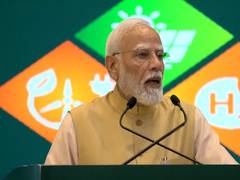
- Prime Minister Anwar Ibrahim and Indian Prime Minister Narendra Modi discussed Zakir's extradition during the 18th BRICS Summit in September 2025.
- Malaysia previously opted not to extradite Zakir Naik, with then Prime Minister Dr Mahathir Mohamad stating that Malaysia had the right to refuse extradition if justice was not assured.


Malaysia has officially declined to extradite Dr. Zakir Naik to India, citing no new requests and its rights under the 2010 Extradition Treaty. Home Minister Datuk Seri Saifuddin Nasution Ismail confirmed that the only formal request was received on January 19, 2018, with a diplomatic note for reconsideration sent on May 29, 2020.
"At present, the government has not received any new extradition requests," Saifuddin stated in a parliamentary reply. The decision aligns with Malaysia's rights under Article 6 of the Extradition Treaty and the Extradition Act 1992.2
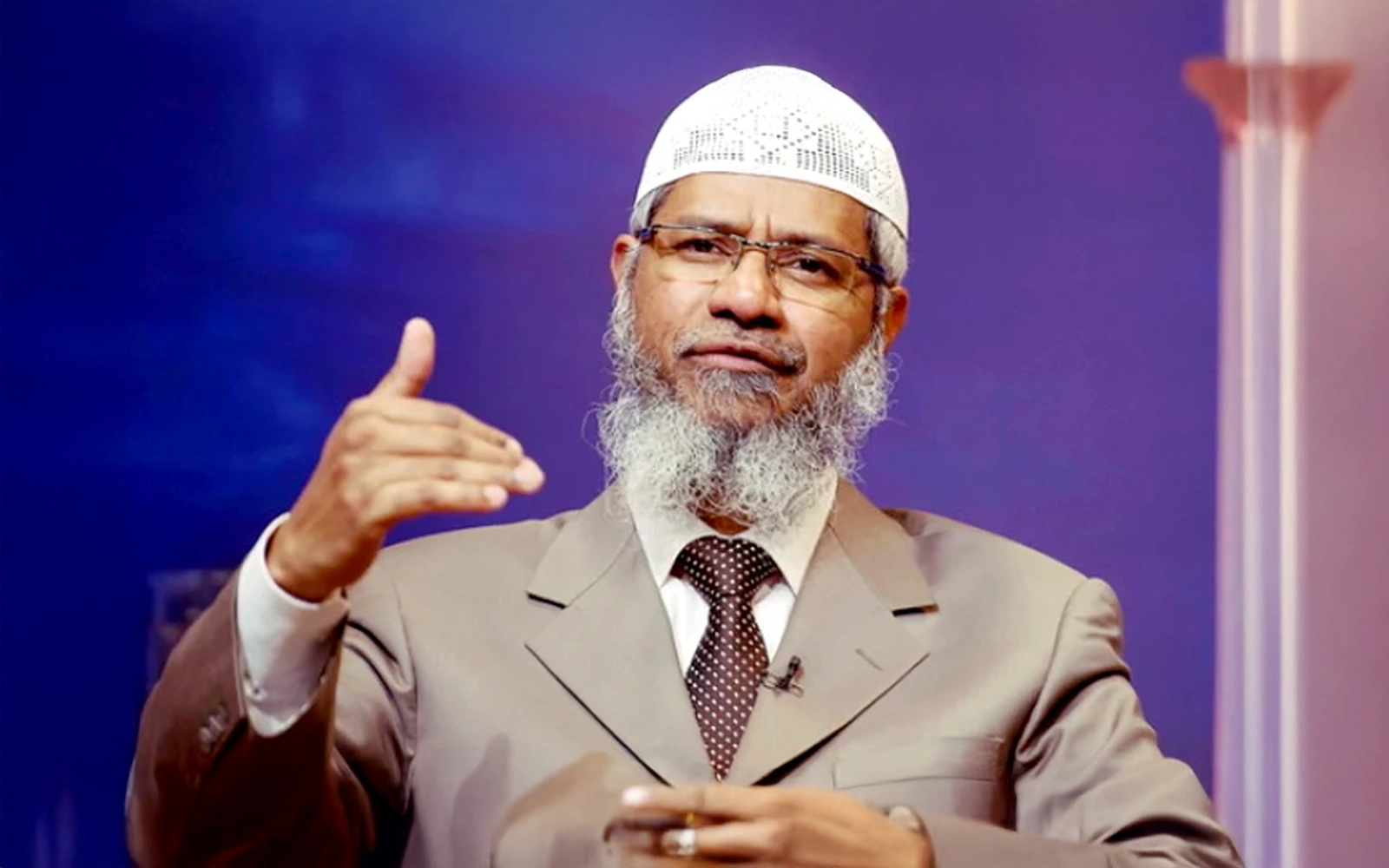
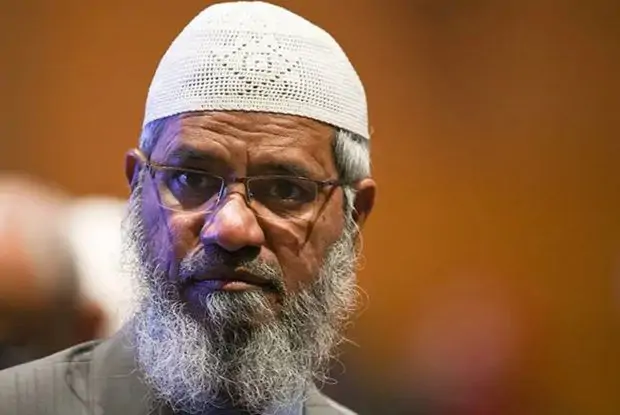
Naik, who has permanent resident status in Malaysia, has been evading Indian authorities since 2016 due to allegations of money laundering and inciting hate speech. He has consistently denied these allegations.
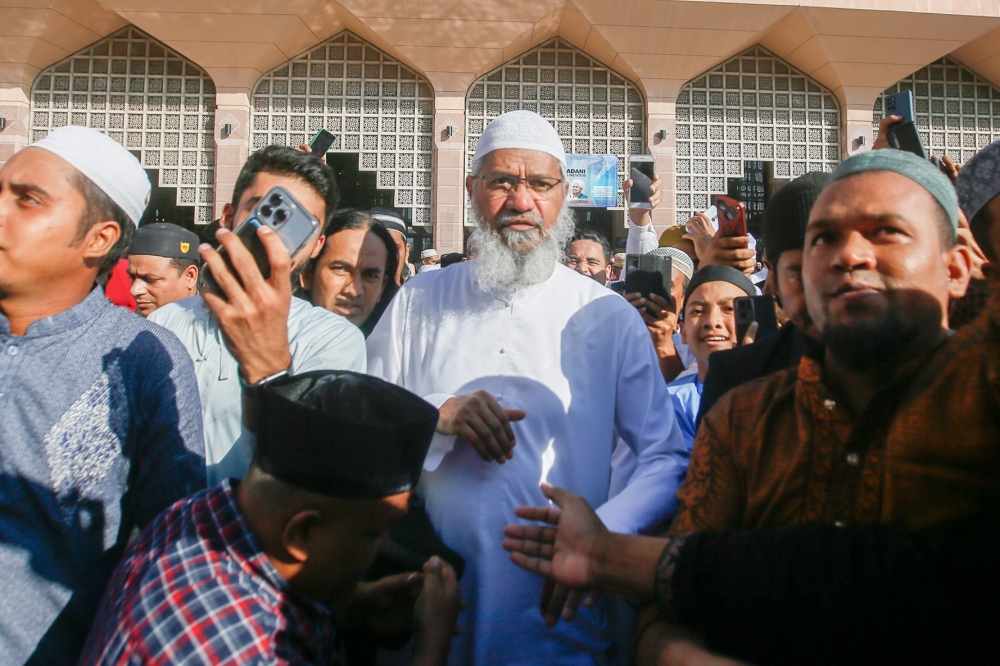
In September, Prime Minister Anwar Ibrahim discussed Naik's extradition with Indian Prime Minister Narendra Modi during the BRICS Summit, raising concerns among Malaysian political parties about potential diplomatic concessions. PAS secretary-general Takiyuddin Hassan expressed fears that Naik could become a "political victim or diplomatic concession" if Malaysia prioritized relations with India over legal processes.5
The Malaysian government has reiterated its stance, stating, "The Government of Malaysia has decided not to extradite Dr. Zakir Naik to India. Therefore, no commitment has been given to extradite him."1
“The decision cites Article 6 of the 2010 Extradition Treaty and the Extradition Act 1992, with India's only formal request dating to Jan 19, 2018. Prime Minister Anwar Ibrahim and Narendra Modi discussed the case at the BRICS Summit in September, prompting PAS to warn Naik could become a 'political victim or diplomatic concession.'”
The StarMalay Mail