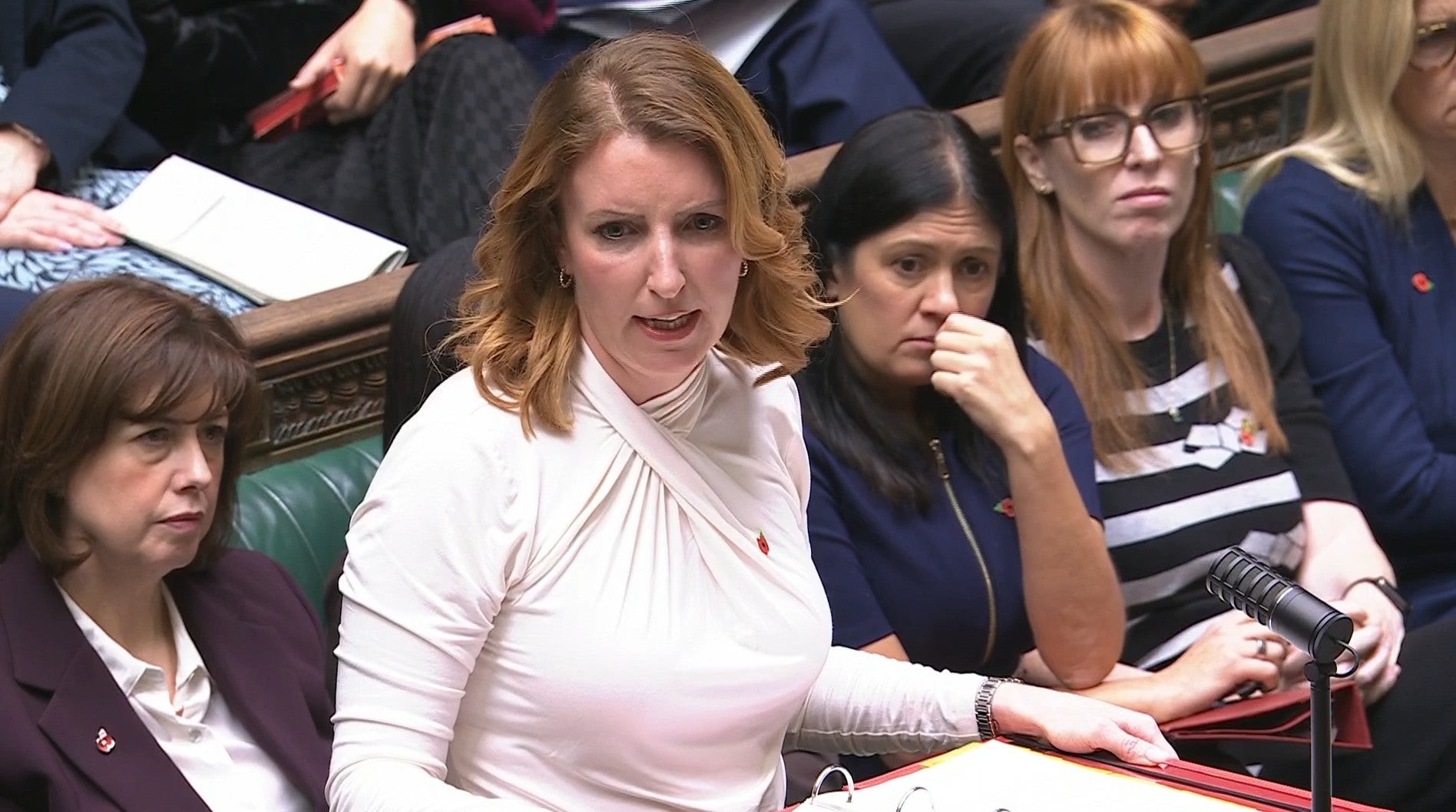
- Louise Haigh, who was the first of Starmer's ministers to resign in November 2024 over a spent conviction, now stands in for Andy Burnham at PMQs.
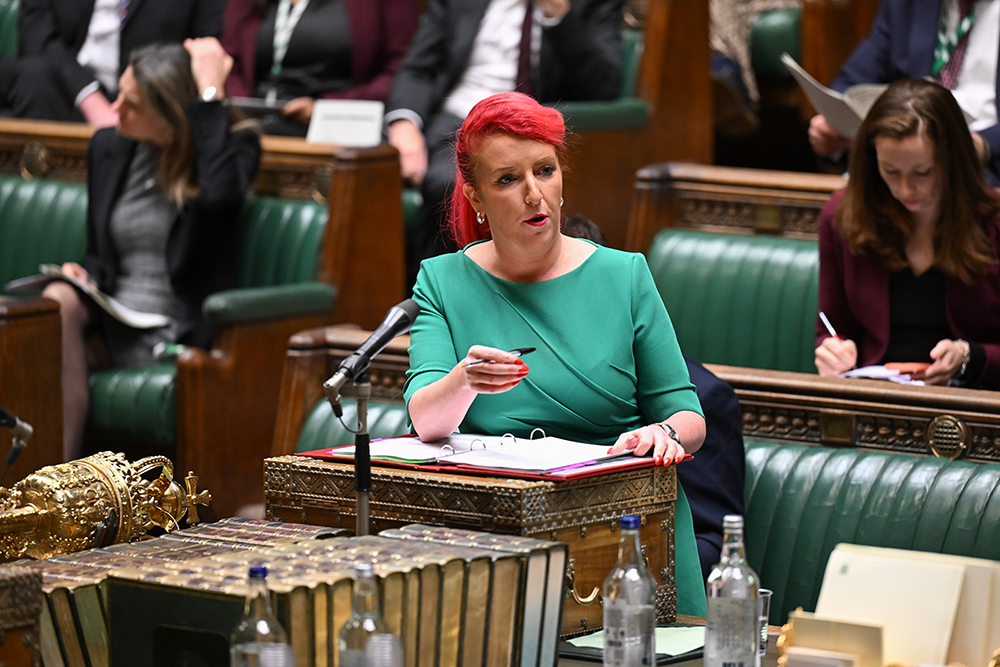
- At PMQs, Haigh faces Tory deputy leader Alex Burghart, while Welsh Office minister Anna McMorrin handles pre-PMQs questions.
- Labour fails to guarantee welfare cuts in the PM's 10-year plan.
- Burnham is reviving two of the worst ideas in history: reparations and related policies.
- Haigh was representing the government at PMQs because the Prime Minister was, like the late, great Judith Chalmers, busy pretending that a trip to Antigua is real work.
- The reparations movement is based on the economic theories of Eric Williams, first Prime Minister of Trinidad and Tobago, who argued that slavery was central to Britain's industrial development.
- Williams argued that Britain abolished slavery only when it became unprofitable, a claim that contradicts evidence that slavery remained profitable.
- Economic historians have consistently shown that the slave economy was a small part of the British economy, reducing the case for reparations.
- Britain was already wealthy before its involvement in slavery, and other nations more involved in slavery did not industrialize, undermining the Williams thesis.
- Britain made a strong early apology for slavery, but repeating apologies should not imply accepting reparations.
- Caribbean countries have prospered since slavery, and aid should be based on friendship not obligation.
- The separation between aid and reparations is wise, and history can inspire beyond appalling.


Labour's Louise Haigh represented Andy Burnham at PMQs, where she faced Tory deputy leader Alex Burghart. Haigh refused to guarantee no cuts to welfare in the PM's 10-year plan, stating, “We are taking steps already to bring the welfare bill down and we will take further [steps].”235
Despite Labour's commitment to reducing the welfare bill, Haigh did not provide a timeline for these changes. She also declined to rule out raising taxes to cover increasing welfare costs, stating, “We have been repeatedly clear that we cannot afford to pay for failure and must invest in success.”
Burghart criticized Labour's approach, suggesting it would lead to “more tax, more welfare and more borrowing.” He pointed out that the Office for Budget Responsibility predicts benefits spending could rise to £431bn by 2032, an increase of nearly 30 percent.
Haigh's responses reflect Labour's strategy to tackle welfare spending by making support more conditional and addressing long-term drivers like housing costs. However, the lack of a clear commitment to avoid welfare cuts has raised concerns among critics, including Burghart, who stated, “The Government isn’t going to fix welfare and we know why.”4
“Haigh, who was the first of Starmer's ministers to resign in November 2024 over a spent conviction, now faces her Tory opposite number. Meanwhile, the PM's statements on reparations have been criticized for implicitly conceding the case, as Burnham revives ideas rooted in Eric Williams' thesis.”

 New StatesmanThe Guardian