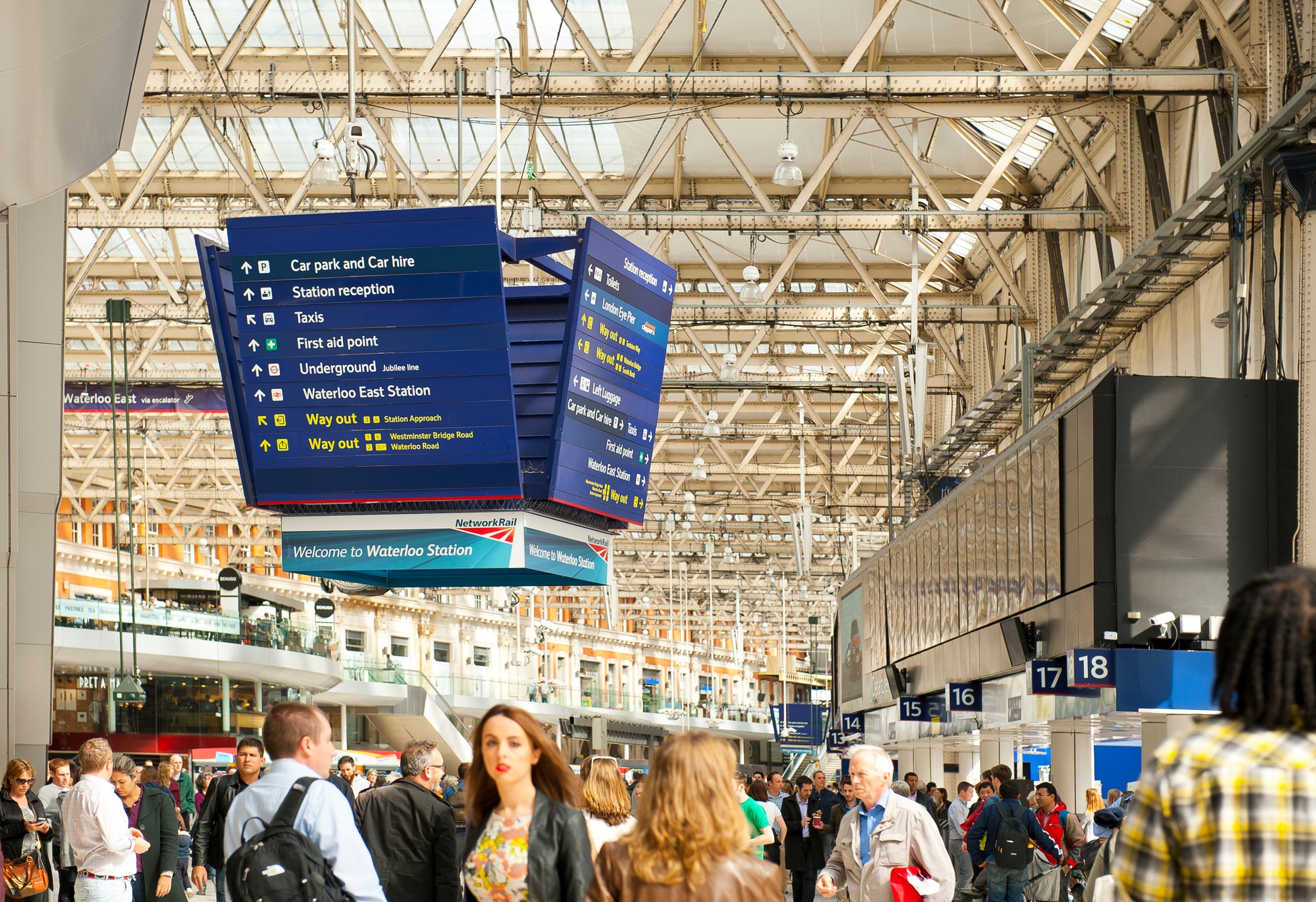
- London Charing Cross and Waterloo East stations are closed for 22 days, from 26 July to 16 August, for a £20 million track upgrade.
- The £20 million programme includes 1,800 metres of new track, upgraded track drainage at Waterloo East station, rebuilt platforms at Charing Cross, and structural repairs on the 175-year-old Hungerford Bridge.
- The closure was timed during school holidays when commuter numbers are lower, and is necessary due to the existing track's increasing unreliability, which has caused significant delays.
- Further closures are planned on 22nd and 23rd August, and 10th and 11th October, as part of the same works plan.
- The £20 million investment aims to upgrade 1990s track and platforms to make journeys safer and more reliable, and strengthen Victorian-era structures.
- Recent faults have caused over 21,000 minutes (350 hours) of delays to customers.
London's Charing Cross and Waterloo East stations are undergoing a significant closure for essential upgrades, lasting from July 26 to August 16. This £20 million project aims to enhance the reliability of the railway system, addressing recent faults that have caused over 21,000 minutes (350 hours) of delays to customers.128
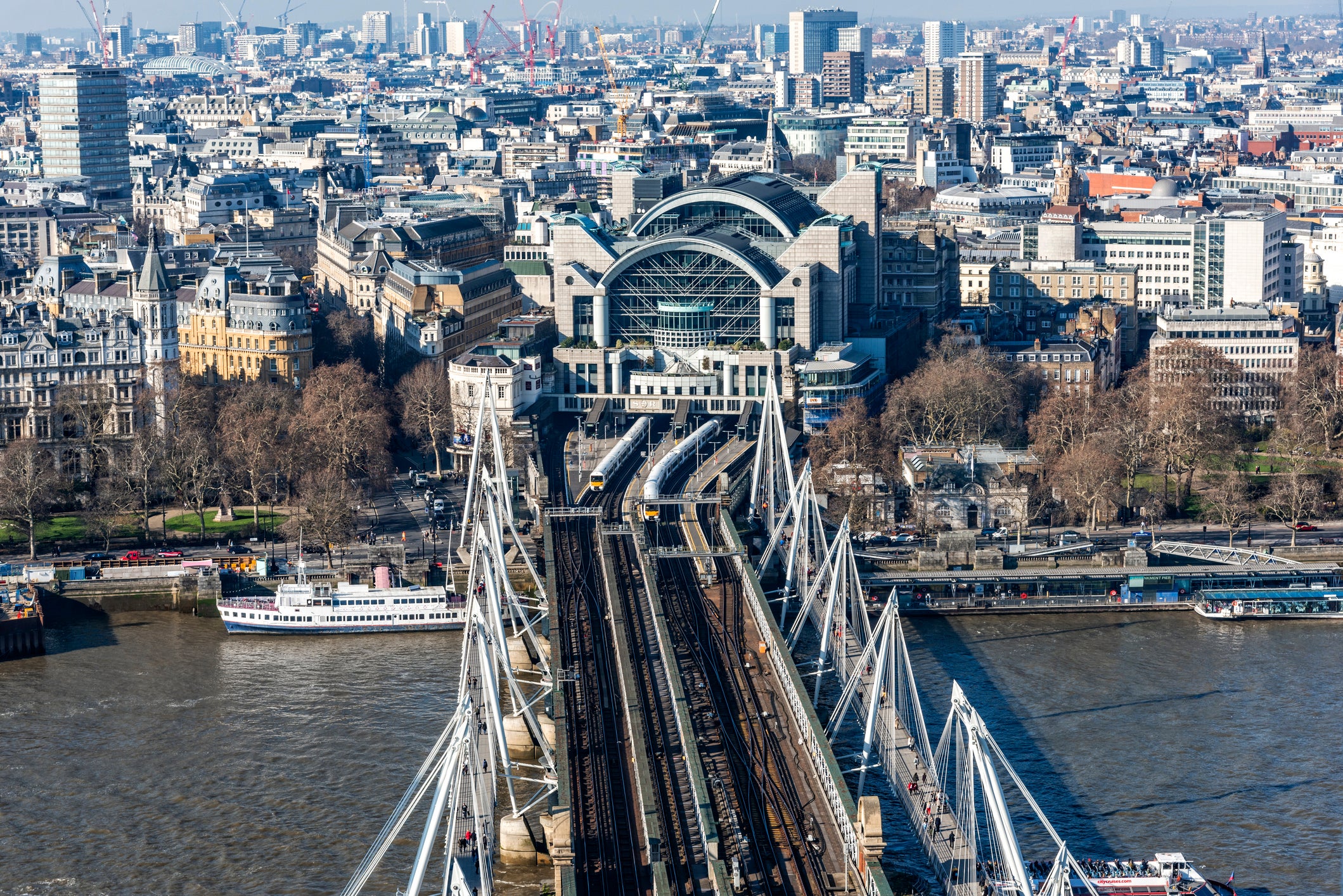
The upgrades include 1,800 metres of new track, improved drainage systems at Waterloo East, and the rebuilding of platforms at Charing Cross. Additionally, structural repairs will be made to the 175-year-old Hungerford Bridge, ensuring its longevity and safety for future use.34
The closure was strategically scheduled during the school holidays, a period when commuter traffic is lower, allowing for uninterrupted work. According to Scott Brightwell of South Eastern Railway, “The £20 million investment we are delivering will see 1990s track and platforms upgraded to make journeys safer and more reliable, and Victorian-era structures strengthened to remain fit for the future.”57
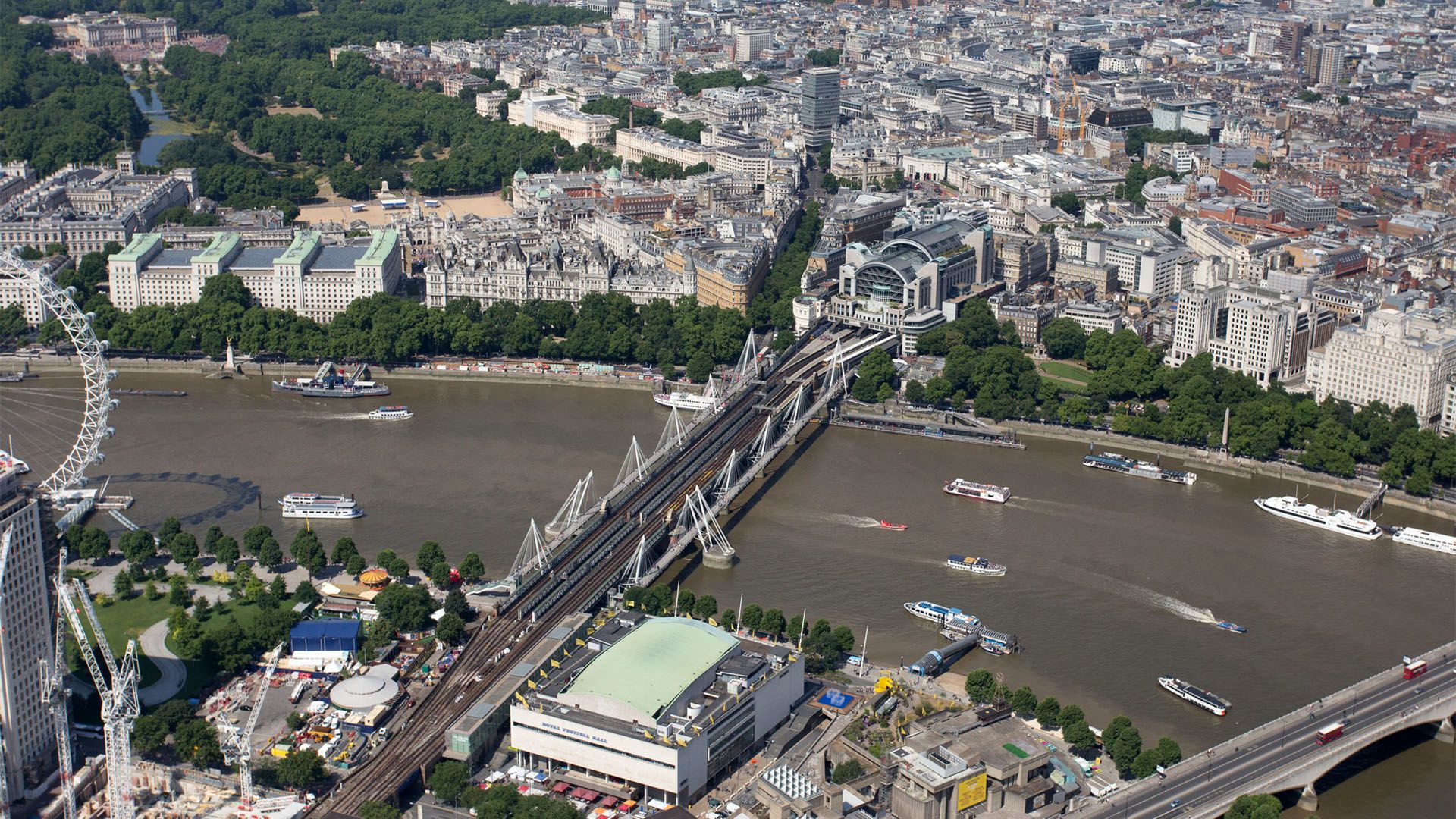
This is not the only closure planned for the stations this year; further closures are expected on August 22-23 and October 10-11 as part of the ongoing works plan.
“The closure, which began on 26th July, is part of a £20 million investment aimed at upgrading 1990s track and platforms to enhance safety and reliability. Recent faults have caused over 21,000 minutes of delays, highlighting the urgent need for these essential improvements.”
 The IndependentThe Independent



