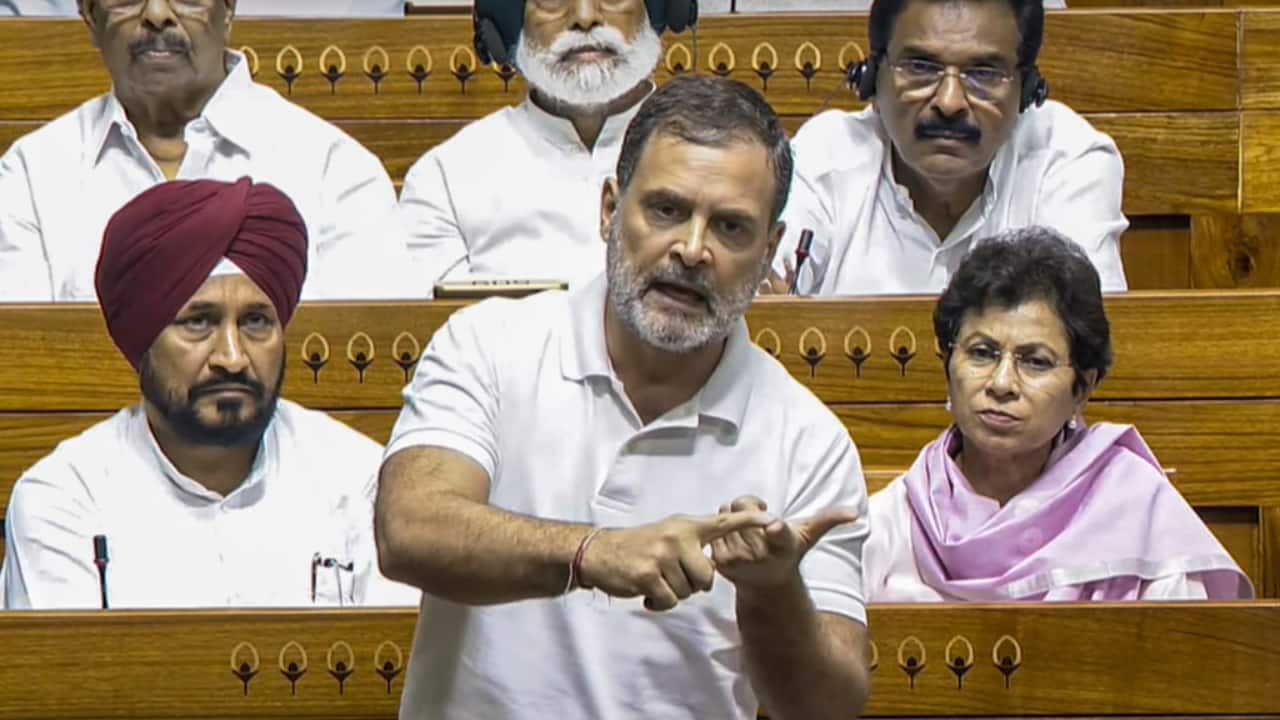
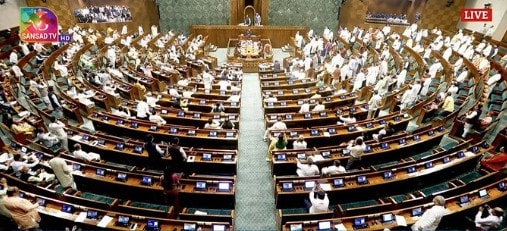
- The Lok Sabha was adjourned sine die on Thursday, drawing curtains on a stormy Monsoon session which saw noisy protests by the opposition on the police action on agitating students and alleged theft of Ram temple donations, and passage of several key bills without a debate.
- Despite the repeated disruptions, Parliament managed to clear 10 bills with approval from both Houses during the session.
- The Monsoon Session opened on July 20 against the backdrop of mounting protests over alleged irregularities in the NEET-UG examination and student demonstrations.
- On August 7, Opposition members disrupted the Lok Sabha demanding a statement from Home Minister Amit Shah on police action against protesting students.
- The government proposed immediate debate on student protests, but the Opposition did not accept in the form offered.
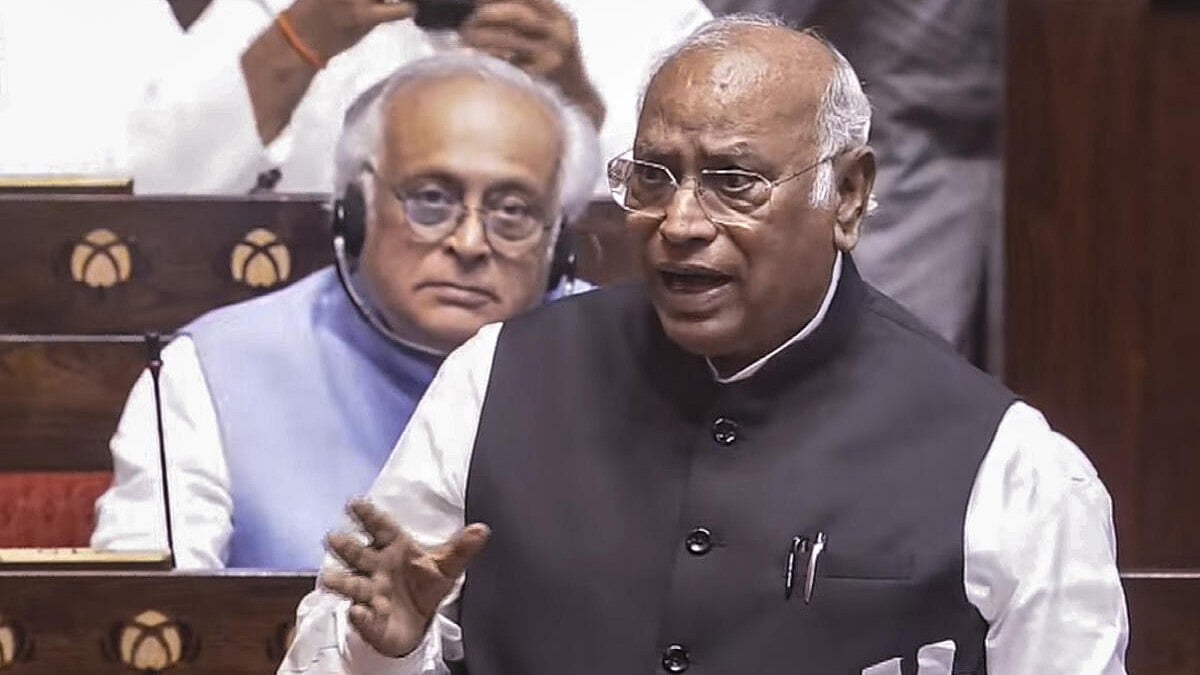
- The Opposition, including the Congress and other INDIA bloc parties, sought an immediate discussion on the examination controversy and questioned the government's handling of the issue.
- By July 24, the standoff had entered its fifth day, with the Opposition demanding the resignation of then Education Minister Dharmendra Pradhan over the NEET controversy.
- The confrontation increasingly moved beyond the floor of the House, with Opposition and NDA MPs holding rival demonstrations within the Parliament complex.
- The government accused the Opposition of deliberately obstructing Parliament and preventing elected representatives from carrying out legislative work.
The Lok Sabha was adjourned sine die on Thursday, marking the end of a contentious Monsoon session that began on July 20. The session was characterized by vociferous protests from the opposition regarding the NEET paper leak and alleged misappropriation of Ram temple donations.13
Speaker Om Birla, who did not deliver the customary valedictory address, faced continuous disruptions as opposition members demanded accountability from the government. Prime Minister Narendra Modi, Home Minister Amit Shah, and Defence Minister Rajnath Singh were present during the brief session, which saw the opposition raise slogans against the government.
The protests intensified over the police action against students at Jantar Mantar, who were advocating for accountability in the education system. Shah had expressed willingness to debate the issues but was met with resistance from the opposition, which included the Congress and other INDIA bloc parties.
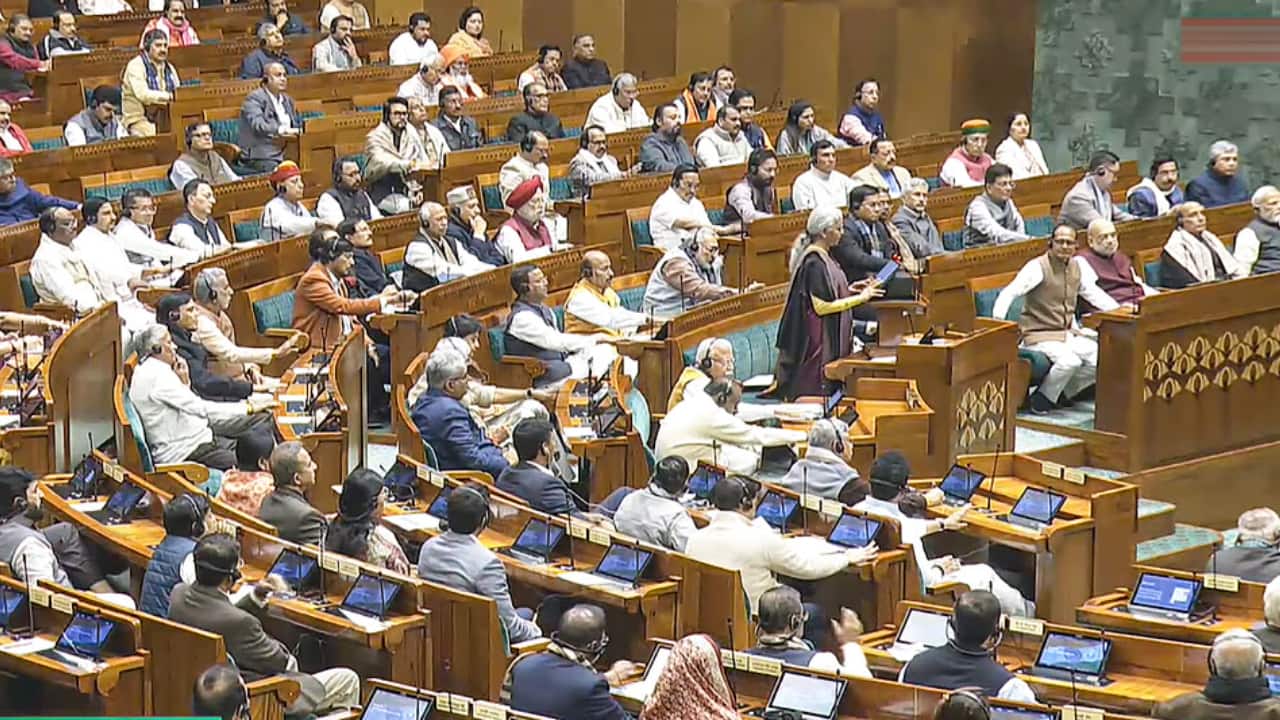
Despite the turmoil, Parliament successfully passed 10 bills during the session, including the Mines and Minerals (Development and Regulation) Amendment Bill, 2026, which was debated for over 17 hours. The Indian Statistical Institute Bill, 2026, however, did not pass.2
The session's conclusion reflects ongoing tensions between the government and opposition, with calls for further discussions on pressing issues remaining unresolved.
“The session, which began July 20, saw repeated disruptions, with the government accusing the Opposition of obstructing Parliament. Despite the deadlock, both Houses cleared 10 bills, including the Public Examinations (Prevention of Unfair Means) Amendment Bill, 2026, debated for over 17 hours.”